
The cleanliness of your commercial space is a direct reflection of your business’s standards, impacting everything from employee morale to client perception. A well-defined commercial deep cleaning frequency is not just about aesthetics; it’s a critical component of maintaining a healthy, safe, and productive environment. Understanding the optimal schedule for your specific needs ensures that your facility remains pristine, compliant, and always ready to make a positive impression. This guide will delve into the essential factors that dictate how often your business truly needs a comprehensive deep clean. It’s about moving beyond surface-level tidiness to a deeper, more impactful level of hygiene. We will explore the nuances that influence your cleaning calendar, helping you establish a robust plan that supports your operational excellence. Discover how a strategic approach to deep cleaning can safeguard your investment, enhance your brand image, and foster a healthier space for everyone who enters your doors.
Key Takeaways
- Recognize that the ideal commercial deep cleaning frequency is highly variable, depending on your business type, traffic, and specific operational needs.
- Understand the five crucial factors—business type, foot traffic, health regulations, facility size, and budget—that directly influence your deep cleaning schedule.
- Learn why a proactive and consistent deep cleaning plan is essential for maintaining hygiene, extending asset lifespan, and enhancing your business’s professional image.
- Discover how professional cleaning services can help you assess your unique requirements and tailor an effective commercial deep cleaning frequency.
commercial deep cleaning frequency: 5 Ultimate Factors
Understanding Commercial Deep Cleaning Frequency: The Foundation of a Pristine Business
A truly clean business environment goes far beyond daily tidying. It involves a systematic approach to deep cleaning that addresses hidden grime, sanitizes high-touch surfaces, and revitalizes your entire space. The concept of commercial deep cleaning frequency refers to how often these intensive cleaning sessions are performed, ensuring a consistent standard of hygiene and presentation.
Many businesses mistakenly believe that standard daily or weekly cleaning is sufficient. While essential for routine maintenance, deep cleaning tackles areas often overlooked, preventing the buildup of dirt, allergens, and pathogens. This proactive measure is vital for creating a healthier atmosphere for employees and customers alike.
What is the Ideal Commercial Deep Cleaning Frequency?
There isn’t a universal answer to the ideal commercial deep cleaning frequency, as it’s highly dependent on a business’s unique operational context. Factors such as the industry, daily foot traffic, size of the premises, and specific health regulations all play a significant role. A restaurant, for example, will require a much more frequent deep cleaning schedule than a low-traffic professional office.
The goal is to strike a balance between maintaining impeccable hygiene and optimizing resources. Too infrequent, and you risk health hazards and a diminished brand image. Too frequent, and you might incur unnecessary costs. This guide will help you navigate these considerations to find your perfect balance.
Factor 1: Business Type and Industry Standards for Commercial Deep Cleaning Frequency
The nature of your business is arguably the most significant determinant of your ideal commercial deep cleaning frequency. Different industries have varying levels of exposure to germs, dirt, and specific regulatory requirements. Understanding these distinctions is the first step in crafting an effective cleaning plan.
For instance, healthcare facilities, food service establishments, and educational institutions face stringent health and safety guidelines. Their environments demand a much higher standard of cleanliness and more frequent deep cleaning to prevent the spread of illness and comply with regulations.
Commercial Deep Cleaning Frequency for Offices
Professional offices typically experience moderate foot traffic and generally do not handle hazardous materials or food preparation on a large scale. For most standard office environments, a bi-annual (twice a year) or annual deep cleaning frequency is often sufficient. This schedule allows for thorough cleaning of carpets, upholstery, air vents, and hard-to-reach areas that daily cleaning might miss.
However, offices with high employee density, shared kitchens, or frequent client visits might benefit from a quarterly deep cleaning. This increased frequency helps maintain a consistently fresh and hygienic workspace, boosting employee morale and presenting a professional image to visitors.
Commercial Deep Cleaning Frequency for Restaurants
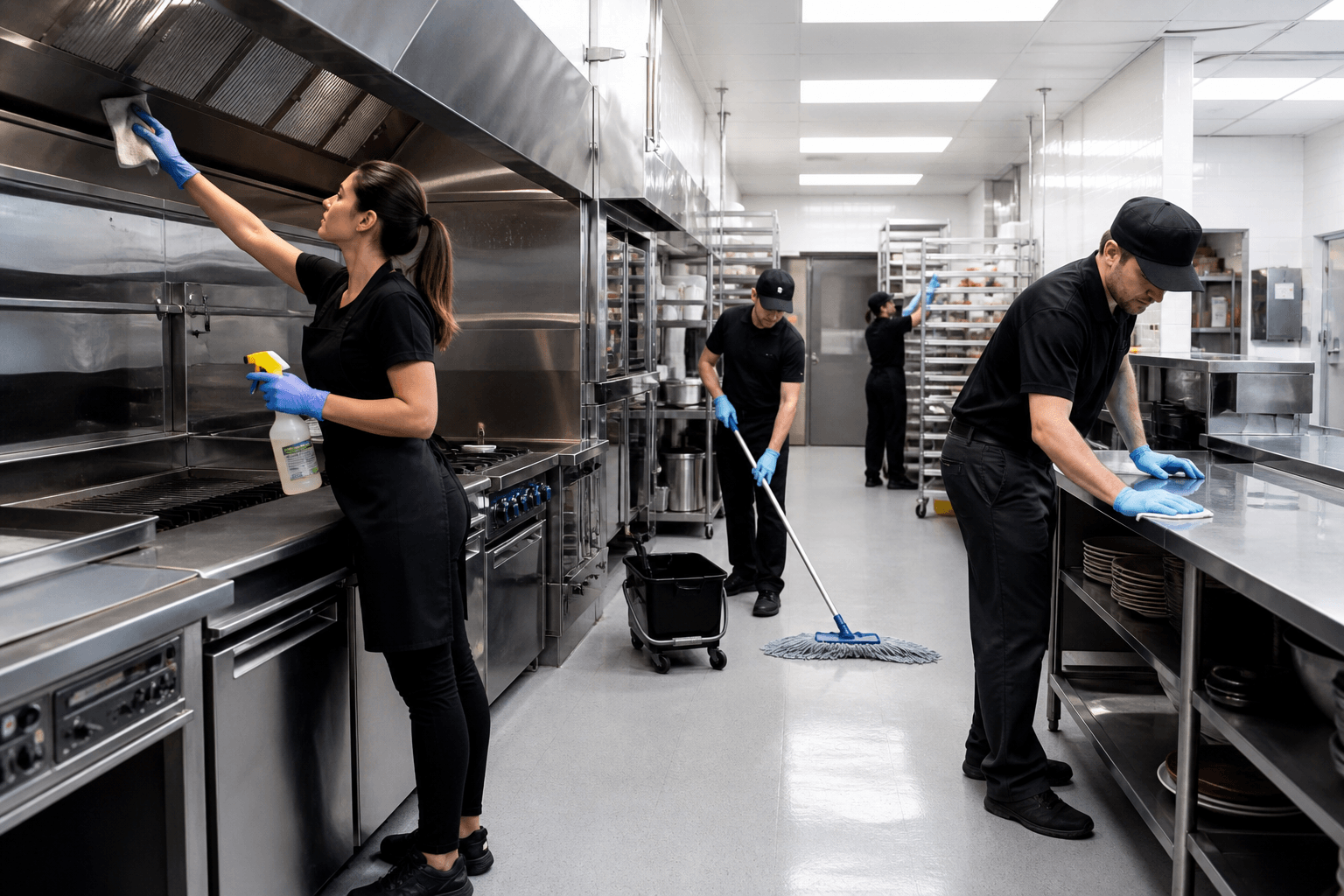
Restaurants and other food service establishments operate under strict health codes and face constant exposure to food debris, grease, and high foot traffic. The recommended commercial deep cleaning frequency for these businesses is typically monthly or quarterly, with some areas requiring even more frequent attention. Kitchens, dining areas, and restrooms must be meticulously sanitized to prevent contamination and ensure public safety.
Adhering to a rigorous deep cleaning schedule is not just about compliance; it’s about protecting your customers’ health and maintaining your establishment’s reputation. Regular deep cleaning prevents pest infestations, eliminates odors, and extends the lifespan of expensive kitchen equipment.
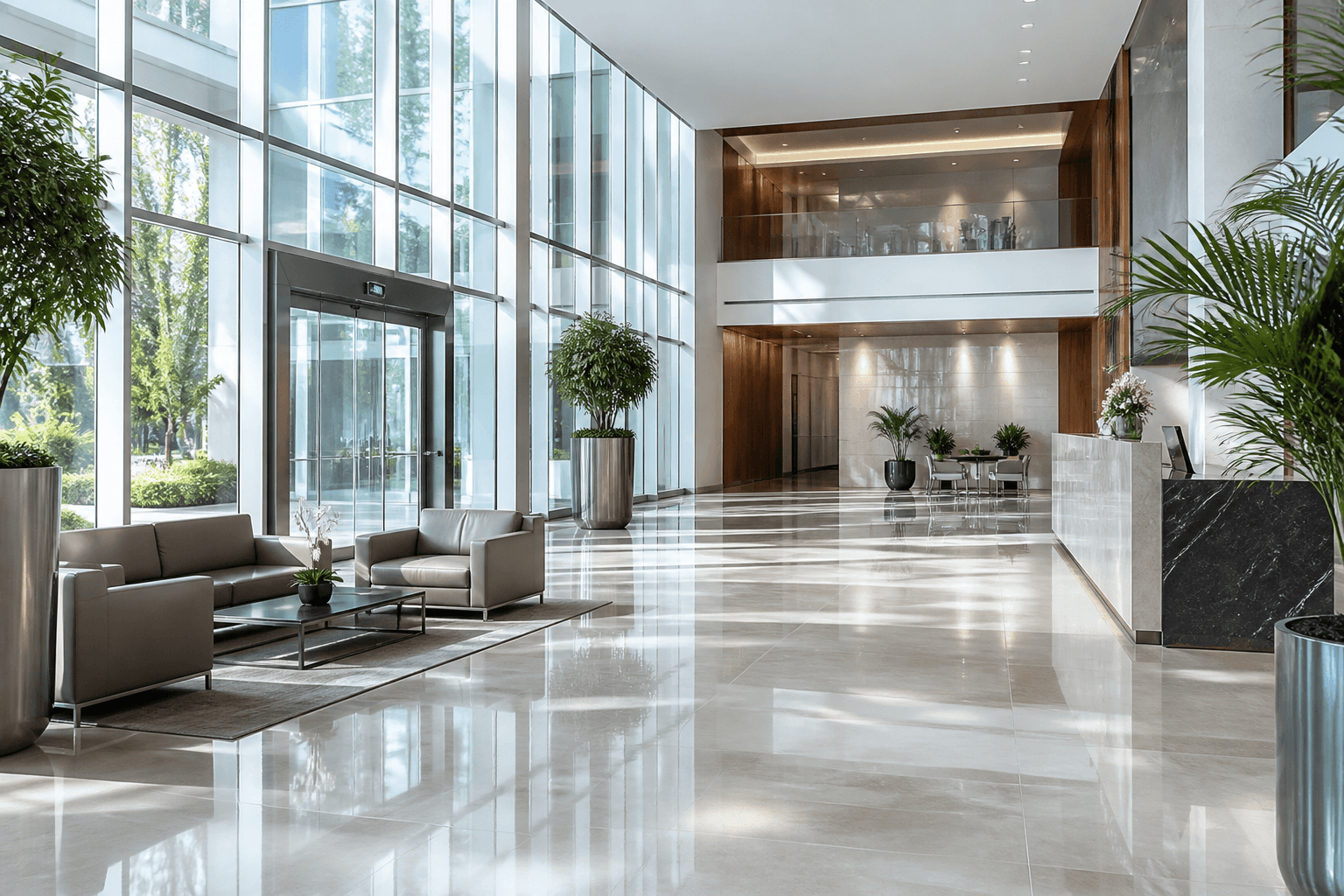
Factor 2: Foot Traffic and Usage Levels for Optimal Commercial Deep Cleaning Frequency
The volume of people moving through your commercial space directly correlates with the rate of dirt accumulation and germ spread. High-traffic areas naturally require more frequent and intensive cleaning than spaces with minimal usage. This factor is crucial when determining your optimal commercial deep cleaning frequency.
Consider areas like lobbies, reception areas, hallways, restrooms, and breakrooms. These zones typically experience the heaviest use throughout the day, making them prime candidates for more frequent deep cleaning interventions. Even within the same business, different areas will have different deep cleaning needs.
Assessing High-Traffic Zones
Businesses such as retail stores, gyms, and hotels experience continuous customer flow, leading to rapid wear and tear and increased germ transmission. For these environments, a quarterly deep cleaning frequency is often a baseline, with specific high-touch points or heavily soiled areas potentially needing monthly attention. This proactive approach helps manage the constant influx of dirt and ensures a consistently clean environment.
Conversely, a private executive office or a storage facility with limited access would naturally require a less frequent deep cleaning schedule. Understanding these internal variations allows for a more targeted and efficient allocation of cleaning resources.
Factor 3: Health, Safety, and Regulatory Compliance for Commercial Deep Cleaning Frequency
Beyond general cleanliness, many industries are bound by specific health and safety regulations that dictate cleaning protocols. Compliance with these standards is non-negotiable, protecting both your business from penalties and your occupants from health risks. Your commercial deep cleaning frequency must align with these mandates.
For example, healthcare facilities must adhere to strict guidelines set by organizations like the CDC to prevent healthcare-associated infections. Similarly, food establishments must follow local health department regulations to ensure food safety. Failing to meet these standards can result in fines, closures, and severe reputational damage.
Guidelines and Standards for Deep Cleaning
Many governmental and industry bodies provide detailed guidelines for cleanliness. For instance, the Occupational Safety and Health Administration (OSHA) outlines requirements for maintaining a safe and healthy workplace, which often includes specific cleaning and sanitation practices. Consulting these guidelines is essential for any business, especially those in regulated sectors.
A professional cleaning service can help interpret these complex regulations and integrate them into your customized deep cleaning plan. They possess the expertise and equipment to ensure your facility not only looks clean but is also hygienically safe and fully compliant with all applicable standards.
Factor 4: Facility Size and Layout Impact on Commercial Deep Cleaning Frequency
The physical characteristics of your commercial space—its size, layout, and the types of surfaces present—significantly influence the time, effort, and resources required for deep cleaning. This, in turn, affects your optimal commercial deep cleaning frequency.
A sprawling industrial warehouse with vast concrete floors and high ceilings will have different deep cleaning needs than a multi-story office building with intricate layouts, various flooring types, and numerous individual offices. Larger spaces generally demand more extensive cleaning efforts and potentially longer intervals between deep cleans, unless traffic dictates otherwise.
Complexities of Different Spaces
Consider a facility with multiple restrooms, breakrooms, or specialized areas like laboratories or production floors. Each of these zones may require different cleaning chemicals, equipment, and techniques, adding to the complexity and time commitment of a deep clean. The presence of unique architectural features or delicate surfaces also influences the approach.
A professional assessment is invaluable here. Cleaning experts can efficiently map out your facility, identify specific challenges, and recommend a deep cleaning schedule that is both thorough and cost-effective. They can also advise on the best products and methods for preserving your assets while achieving maximum cleanliness.
Factor 5: Budget and Resource Allocation for Your Commercial Deep Cleaning Frequency
While the desire for a pristine environment is universal, practical considerations like budget and available resources inevitably play a role in determining your commercial deep cleaning frequency. It’s crucial to view deep cleaning not as an expense, but as an investment in your business’s health, safety, and longevity.
The cost of commercial deep cleaning services can vary based on the size of your facility, the scope of work, the frequency of service, and the specialized equipment or chemicals required. Balancing these costs with the benefits of a clean environment is key to a sustainable cleaning strategy.
Comparing Deep Cleaning Plans and Costs
When evaluating different cleaning providers, it’s important to compare not just the price, but the value offered. A lower upfront cost might mean less thorough cleaning or a less frequent schedule, potentially leading to higher long-term costs due to accelerated wear and tear or health issues. Ask for detailed quotes that outline the services included and the recommended commercial deep cleaning frequency.
Many companies, like JJL Cleaning Services, offer customized cleaning plans that can be tailored to fit your budget while still meeting your hygiene standards. They can help you establish an effective deep cleaning frequency plan that maximizes impact without overspending.
Optimize Your Commercial Deep Cleaning Frequency with JJL Cleaning Services
Ensure your business maintains unparalleled hygiene and a professional appearance with a tailored deep cleaning schedule designed for your specific needs. JJL Cleaning Services provides expert solutions across South Florida.
Establishing Your Ideal Commercial Deep Cleaning Frequency Plan
Determining the perfect commercial deep cleaning frequency for your business requires a thoughtful assessment of all the factors discussed. It’s a strategic decision that impacts everything from employee well-being to brand reputation. The best approach is to combine self-assessment with professional expertise.
Start by evaluating your business type, daily traffic, and any industry-specific regulations. Identify high-traffic areas and potential problem zones. Document your current cleaning practices and note any recurring issues or areas that consistently fall short of your desired cleanliness standards.
Who Determines the Best Deep Cleaning Frequency?
Ultimately, the business owner or facility manager makes the final decision, but this should be an informed one. Consulting with professional cleaning services is highly recommended. Experts like JJL Cleaning Services can conduct a comprehensive site assessment, providing invaluable insights into your facility’s specific needs.
They can recommend an optimal deep cleaning frequency based on their experience with similar businesses, ensuring compliance, efficiency, and the highest standards of cleanliness. This collaborative approach ensures your cleaning plan is robust, realistic, and delivers consistent results.
The Benefits of a Strategic Commercial Deep Cleaning Frequency
Investing in a well-planned commercial deep cleaning frequency yields a multitude of benefits that extend far beyond a visually clean space. It’s a foundational element of responsible business management, contributing to a healthier, more productive, and more reputable operation.
Regular deep cleaning significantly reduces the presence of allergens, bacteria, and viruses, leading to fewer sick days for employees and a healthier environment for everyone. It also preserves your assets, extending the life of carpets, flooring, and furniture by preventing premature wear and tear caused by accumulated dirt.
Long-Term Advantages of Consistent Deep Cleaning
A consistent deep cleaning schedule ensures your business always presents its best face. This professionalism enhances your brand image, instills confidence in clients, and creates a more positive and welcoming atmosphere. Improved indoor air quality is another significant benefit, contributing to better focus and overall well-being for your staff.
Moreover, a proactive approach to deep cleaning can save money in the long run by preventing costly repairs or replacements due to neglect. It’s an investment that pays dividends in health, aesthetics, and operational efficiency.
What is the ideal commercial deep cleaning frequency?
The ideal commercial deep cleaning frequency varies greatly depending on factors such as business type, foot traffic, industry regulations, and specific hygiene requirements. High-traffic environments like restaurants or healthcare facilities may require monthly or quarterly deep cleaning, while standard offices might benefit from bi-annual or annual deep cleaning. A customized assessment by cleaning professionals is always recommended.
What factors influence commercial deep cleaning frequency?
Several critical factors influence commercial deep cleaning frequency, including the type of business, daily foot traffic, industry-specific hygiene standards, size of the premises, presence of allergens or pathogens, and internal company policies. Environmental conditions and the age of the facility can also play a role in determining optimal deep cleaning schedules.
Are there specific commercial deep cleaning frequencies for different industries?
Yes, commercial deep cleaning frequency often differs significantly by industry. For instance, healthcare facilities and restaurants typically require more frequent deep cleaning (monthly to quarterly) due to strict health codes and high germ exposure. Retail stores and gyms may need quarterly deep cleans, while professional offices often opt for bi-annual or annual deep cleaning. Industrial spaces have unique needs based on machinery and hazardous materials.
Why is regular commercial deep cleaning important?
Regular commercial deep cleaning is crucial for several reasons. It ensures a healthier work environment by eliminating hidden germs, bacteria, and allergens, reducing the spread of illness. It also preserves the facility’s assets, enhances professionalism, improves indoor air quality, and creates a more positive impression on clients and employees, directly contributing to employee morale and productivity.
What are the benefits of a frequent commercial deep cleaning schedule?
Implementing a frequent commercial deep cleaning schedule offers numerous benefits. It consistently maintains high hygiene standards, prevents the buildup of grime and pathogens, extends the lifespan of furnishings and equipment, improves employee health and reduces absenteeism, and ensures your business always presents a pristine and professional image. A frequent deep cleaning frequency also supports compliance with health and safety regulations.
How to establish an effective commercial deep cleaning frequency plan?
To establish an effective commercial deep cleaning frequency plan, start by assessing your business’s unique needs, including traffic levels, industry standards, and budget. Consult with professional cleaning services like JJL Cleaning Services to conduct a site assessment. They can help identify high-touch areas, recommend appropriate cleaning methods, and propose a customized commercial deep cleaning frequency schedule that balances effectiveness with cost-efficiency.
Who provides reliable commercial deep cleaning services with flexible frequencies?
JJL Cleaning Services provides reliable commercial deep cleaning services with highly flexible frequencies across Boca Raton and throughout South Florida. With over a decade of experience, we offer tailored cleaning plans that can be adjusted to your specific commercial deep cleaning frequency needs, ensuring your business receives the precise level of cleanliness required without compromise.
What happens if commercial deep cleaning frequency is too low?
If the commercial deep cleaning frequency is too low, businesses risk several negative consequences. These include an increased accumulation of dirt, dust, and allergens, a higher risk of germ and bacteria proliferation, accelerated wear and tear on surfaces, a decline in indoor air quality, and a negative impact on the professional image of the business. Ultimately, it can lead to health concerns for employees and clients, and potentially costly repairs or replacements.
Your Invitation to a Pristine Business Environment
Understanding and implementing the right commercial deep cleaning frequency is paramount for any business aiming for excellence. It’s a commitment to health, professionalism, and the longevity of your commercial space. By considering the unique factors of your operation—from industry standards and foot traffic to facility size and budget—you can craft a deep cleaning strategy that truly meets your needs.
Don’t leave the cleanliness of your business to chance. A strategic approach ensures a healthier, more inviting, and more productive environment for everyone. Partner with experts who can tailor a plan specifically for you. Contact JJL Cleaning Services today to discuss your commercial deep cleaning frequency and secure a pristine future for your business.

