
When it comes to enhancing the appearance and longevity of your business property, the decision to hire a commercial painting contractor is a significant one. A fresh coat of paint can transform a space, reflect your brand’s professionalism, and even boost employee morale. However, selecting the right partner for such a crucial project requires careful consideration and a clear understanding of what to look for. This guide will equip you with the essential knowledge and critical questions to ask, ensuring you make an informed decision and achieve outstanding results for your commercial property. We’ll delve into the nuances that differentiate commercial projects, the comprehensive services offered, and the key indicators of a truly professional contractor.
Key Takeaways
- Understand the distinct differences between commercial and residential painting projects and why specialized expertise is crucial.
- Learn the 11 crucial questions to ask any potential commercial painting contractor to ensure a successful partnership.
- Discover the importance of licensing, insurance, safety protocols, and clear communication in selecting a reputable contractor.
- Gain insights into project timelines, material selection, and payment structures to manage your expectations effectively.
Understanding the Role of a Commercial Painting Contractor: Residential vs. Commercial
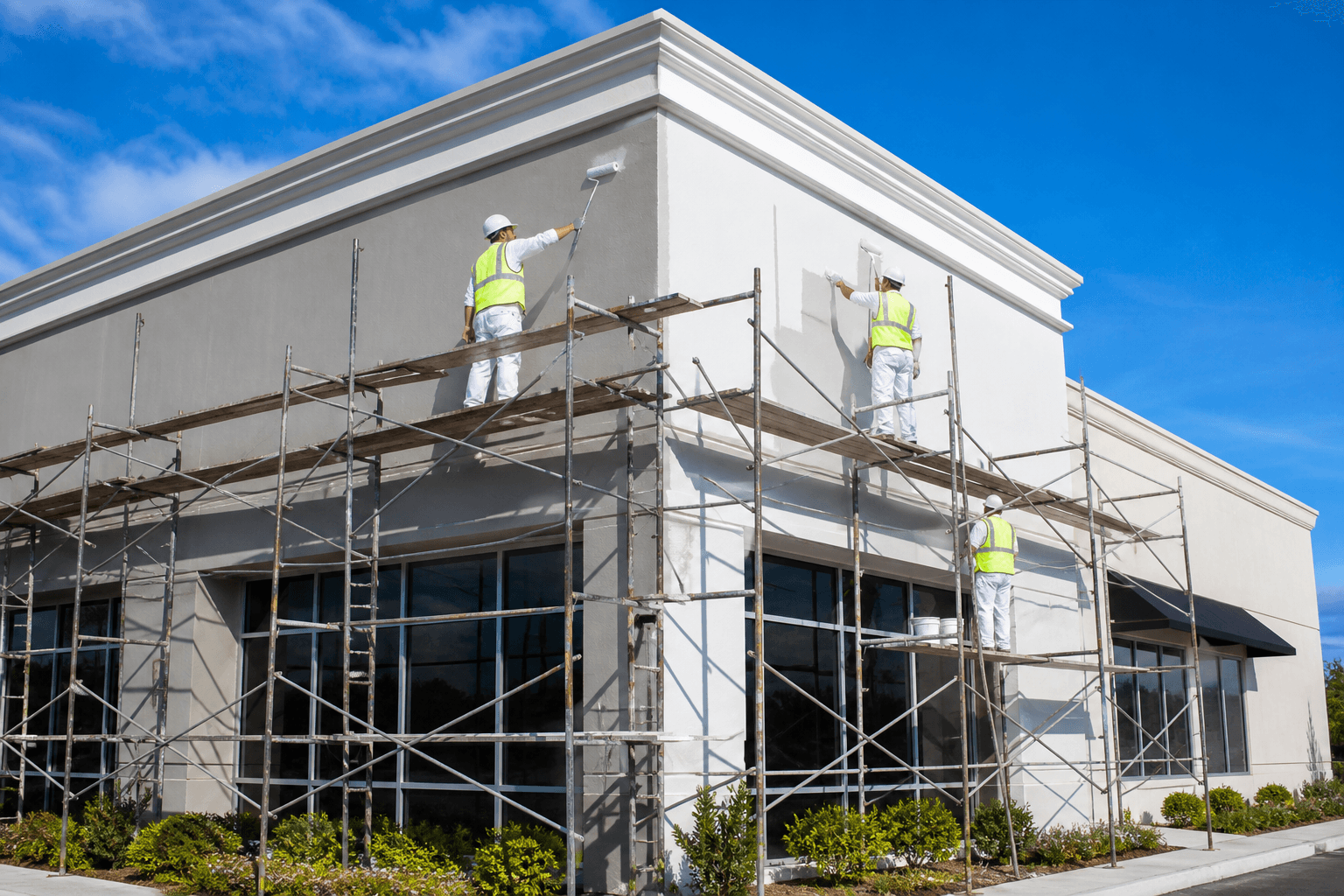
Many people assume painting is painting, regardless of the property type. However, the scope, complexity, and requirements of commercial painting projects are vastly different from residential ones. A specialized commercial painting contractor possesses the unique expertise, equipment, and logistical understanding necessary to handle these distinctions effectively. They navigate challenges such as large surface areas, specialized coatings, strict timelines, and the need to minimize disruption to business operations.
What is Commercial Painting and How Does it Differ from Residential?
Commercial painting encompasses projects for businesses, offices, retail spaces, industrial facilities, and multi-family dwellings. These projects often involve larger square footage, require more durable paints designed for high-traffic areas, and demand adherence to specific industry regulations or safety standards. Residential painting, conversely, focuses on individual homes, typically smaller in scale, with an emphasis on aesthetic customization and less concern for operational impact.
Comprehensive Services from Your Commercial Painting Contractor
A professional commercial painting contractor offers a wide array of services beyond just applying paint. These include thorough surface preparation (cleaning, patching, priming, sanding), specialized coatings (epoxy floors, anti-graffiti, fire-retardant), power washing, texture application, and minor repairs. They are equipped to handle both interior and exterior painting for various commercial properties, ensuring a comprehensive solution for your business’s needs.

Investing in Quality: Cost Factors for a Commercial Painting Contractor
The cost of hiring a commercial painting contractor for an office building or any commercial property varies significantly. Factors influencing the price include the building’s size, current condition, the type of paint and finishes desired, the extent of surface preparation required, accessibility challenges (e.g., high ceilings, complex structures), and the project’s overall complexity. Reputable contractors provide detailed, transparent bids after assessing your specific needs, ensuring you understand the investment.
Choosing the Right Commercial Painting Contractor: 11 Amazing Questions
Selecting the ideal commercial painting contractor is paramount to the success of your project. It’s not just about finding someone to paint; it’s about partnering with a professional who understands your business needs, delivers quality, and ensures a smooth process. Asking the right questions upfront can save you time, money, and potential headaches down the line. Here are 11 crucial questions to guide your hiring decision.
Question 1: What is Your Experience as a Commercial Painting Contractor?
Experience is invaluable. Ask about their history with projects similar in scope, size, and industry to yours. A contractor who has successfully completed jobs for offices, retail stores, or industrial facilities like yours will better understand the specific challenges and requirements. This includes familiarity with specialized coatings or working within operational environments.
Question 2: Are You a Licensed and Insured Commercial Painting Contractor?
This is non-negotiable. Verify that the contractor holds all necessary licenses and permits for your area. Crucially, ensure they carry comprehensive liability insurance and workers’ compensation. This protects your business from financial responsibility in case of accidents, damage, or injury on your property during the project. Always ask for proof and verify its validity.
Question 3: Can You Provide References for Your Work as a Commercial Painting Contractor?
A reputable commercial painting contractor will gladly provide a list of recent commercial clients. Contact these references to inquire about their experience with the contractor. Ask about project timeliness, communication, quality of work, professionalism, and whether they would hire the contractor again. This offers real-world insight into their reliability and performance.
Question 4: What Safety Protocols Does Your Commercial Painting Contractor Team Follow?
Safety on a commercial job site is paramount, protecting both the painting crew and your employees. Inquire about their safety training, use of personal protective equipment (PPE), proper handling and disposal of materials, and adherence to OSHA regulations. A commitment to safety reflects professionalism and minimizes risks. For more information on workplace safety, you can refer to OSHA’s guidelines for painting safety.
Question 5: How Does Your Commercial Painting Contractor Manage Project Timelines?
Time is money for any business. Discuss their project management approach, including estimated timelines, scheduling flexibility, and how they handle potential delays. A clear plan for project phases, milestones, and communication about progress is essential to keep your operations running smoothly.
Question 6: What Type of Paints and Materials Does Your Commercial Painting Contractor Use?
Commercial environments often require specialized paints and coatings that offer durability, specific finishes, or meet regulatory standards (e.g., low-VOC paints for indoor air quality, anti-microbial coatings for healthcare facilities). Ask about their material recommendations and why they are best suited for your property’s specific needs and traffic levels.
Question 7: How Does Your Commercial Painting Contractor Minimize Business Disruption?
Minimizing impact on your daily operations is a key concern. Discuss their strategies for working around your business hours, such as evening, weekend, or phased work schedules. Ask how they will manage noise, odors, and access to ensure your business can continue functioning with minimal interruption.
Question 8: What is the Payment Structure for Your Commercial Painting Contractor Services?
Clarify the payment terms upfront. Typically, this involves an initial deposit, progress payments at various milestones, and a final payment upon satisfactory completion. Ensure all payment schedules, total costs, and what’s included in the price are clearly outlined in a written contract before any work begins.
Question 9: What is Your Warranty or Guarantee as a Commercial Painting Contractor?
Inquire about their warranty on both labor and materials. A reputable contractor stands behind their work. Understanding the terms of their guarantee provides peace of mind and ensures that any issues arising after the project’s completion will be addressed promptly and professionally.
Question 10: How Does Your Commercial Painting Contractor Handle Change Orders?
Projects can sometimes evolve. Ask about their process for managing change orders – any modifications to the original scope of work. A clear, documented process for approving changes and adjusting costs is vital to avoid misunderstandings and budget overruns.
Question 11: What is Your Communication Plan as a Commercial Painting Contractor?
Effective communication is the backbone of any successful project. Ask who your primary point of contact will be, how often you can expect updates, and what methods of communication they prefer. Clear, consistent communication ensures you are always informed and any concerns are addressed swiftly.
Ready to Hire a Top Commercial Painting Contractor in Boca Raton?
JJL Cleaning Services offers professional painting solutions designed to enhance your workplace’s appearance and productivity. Our licensed and insured team delivers exceptional results with meticulous attention to detail.
Why a Professional Commercial Painting Contractor is an Amazing Investment
Hiring a professional commercial painting contractor is more than just a service; it’s a strategic investment in your business’s image, longevity, and operational efficiency. The benefits extend far beyond a fresh coat of paint, impacting everything from curb appeal to employee well-being. A skilled contractor brings expertise, efficiency, and peace of mind that DIY or less experienced options simply cannot match.
The Undeniable Benefits of a Professional Commercial Painting Contractor
Professional contractors ensure a high-quality, durable finish that significantly enhances your business’s image and curb appeal. They possess expertise in materials, techniques, and project management, minimizing disruption to your operations. Professionals are also fully insured, reducing your liability, and adhere to strict safety standards, delivering efficient and reliable results that last. This investment protects your property and enhances its value.
Specializations of a Top Commercial Painting Contractor
Commercial painting contractors specialize in a wide array of properties, including office buildings, retail stores, restaurants, hotels, schools, healthcare facilities, warehouses, and industrial plants. Their expertise often extends to specific requirements for each property type, such as hygiene standards for hospitals or heavy-duty coatings for industrial sites. This specialization ensures that your property receives tailored solutions.
Finding a Reputable Commercial Painting Contractor
To find reputable commercial painting contractors near you, start by searching online directories (Google Maps, Yelp), checking professional associations like the Painting Contractors Association (PCA), and asking for referrals from other businesses or facility managers. Always review contractor websites for portfolios and testimonials, and verify licenses and insurance. A strong online presence often indicates a commitment to professionalism.
Evaluating a Commercial Painting Contractor’s Portfolio and References
When reviewing a commercial painting contractor’s portfolio, look for projects similar in scope and type to yours. Pay close attention to the quality of their finishes, attention to detail, and consistency across various jobs. When checking references, ask specific questions about project timeliness, communication, professionalism, and whether the client would rehire the contractor. This due diligence is crucial.
Free Estimates: A Key Step with Your Commercial Painting Contractor
Most reputable commercial painting contractors offer free, no-obligation estimates or consultations. This initial meeting allows them to assess your project’s specific needs, discuss your vision, provide expert recommendations, and offer a detailed quote. It’s an excellent opportunity for you to evaluate their professionalism, expertise, and communication style before committing to any services.
Project Timelines: What to Expect from Your Commercial Painting Contractor
The duration of a typical commercial painting project varies greatly depending on the size of the area, the complexity of the work, the type of paint, and the contractor’s crew size. Small office interiors might take days, while large commercial complexes could take weeks or even months. A good commercial painting contractor will provide an estimated timeline upfront, helping you plan accordingly.
Materials and Techniques: The Expertise of a Commercial Painting Contractor
Commercial painting contractors utilize a range of high-quality paints and materials specifically designed for commercial environments. This includes durable acrylics, epoxy coatings for industrial floors, anti-graffiti paints, low-VOC paints for indoor air quality, primers, sealants, and specialized equipment like airless sprayers and lifts. Material selection is always based on longevity, aesthetics, and the specific functional requirements of your commercial space.
Safety First: Protocols of a Responsible Commercial Painting Contractor
Reputable commercial painting contractors adhere to strict safety protocols to protect their crew, your employees, and your property. This includes comprehensive training, use of personal protective equipment (PPE), proper ventilation, safe handling and storage of chemicals, secure scaffolding and ladder practices, and compliance with OSHA regulations and local safety codes. A detailed safety plan should be an integral part of their proposal.
Requesting a Bid from a Commercial Painting Contractor
To request a bid or quote from a commercial painting contractor, you should clearly define your project scope. This includes the specific areas to be painted (interior/exterior), desired colors, preferred timeline, and any special requirements such as specific coatings or access limitations. Contact potential contractors via phone or their website, providing them with this detailed information. They will typically schedule an on-site visit to provide an accurate and detailed proposal.
Minimizing Disruption: Flexible Scheduling by Your Commercial Painting Contractor
One of the key advantages of hiring an experienced commercial painting contractor is their flexibility to work around your business operating hours. Many contractors offer evening, weekend, or holiday scheduling options to minimize disruption to your daily operations. This ensures your business can continue functioning smoothly while the painting project is underway, preserving productivity and customer experience.
Understanding Payment Structures with Your Commercial Painting Contractor
The typical payment structure for commercial painting projects often involves an upfront deposit (e.g., 10-30%) to cover material costs and secure scheduling. This is usually followed by progress payments at various milestones throughout the project. The final payment is typically due upon satisfactory completion of the work. Always clarify these payment terms in the contract before the project begins to avoid any surprises.
Your Path to a Flawless Commercial Painting Project
Choosing the right commercial painting contractor is a critical decision that impacts your business’s aesthetics, functionality, and bottom line. By asking the 11 crucial questions outlined in this guide, you empower yourself to make an informed choice, ensuring a partnership that delivers exceptional results. Remember to prioritize experience, proper licensing and insurance, a strong safety record, transparent communication, and a clear understanding of the project’s scope and costs. Investing time in this selection process will pay dividends in the form of a beautifully painted, durable, and professionally managed commercial property. A successful painting project enhances your brand image and provides a welcoming environment for your clients and employees alike.
Your Questions About Commercial Painting, Answered
Get clear answers about hiring the right commercial painting contractor.
What is commercial painting and how does it differ from residential?
Commercial painting involves large-scale projects for businesses, offices, retail spaces, and industrial facilities, focusing on durability, specific finishes for high-traffic areas, and often requiring specialized equipment and strict scheduling to minimize business disruption. Residential painting, on the other hand, typically involves smaller spaces like homes and apartments, with a greater emphasis on aesthetic customization and less concern for operational impact.
What services do commercial painting contractors typically provide?
A professional commercial painting contractor provides a comprehensive range of services including interior and exterior painting, surface preparation (cleaning, patching, priming), protective coatings, specialized finishes, power washing, texture application, and often minor repairs related to the painting process. They cater to various commercial properties, from office buildings to warehouses.
How much does it cost to hire a commercial painting contractor for an office building?
The cost to hire a commercial painting contractor for an office building varies significantly based on factors such as the building’s size, condition, type of paint and finishes desired, surface preparation needed, accessibility, and the project’s complexity. For an accurate estimate, it’s best to request detailed bids from several reputable contractors, who will assess your specific needs.
What factors should I consider when choosing a commercial painting contractor?
When choosing a commercial painting contractor, consider their experience with similar projects, licensing and insurance, reputation (reviews and references), warranty, safety protocols, communication style, and their ability to work within your budget and timeline. Always prioritize quality, reliability, and clear contracts.
Why is it beneficial to hire a professional commercial painting contractor?
Hiring a professional commercial painting contractor ensures a high-quality, durable finish that enhances your business’s image. They bring expertise in materials, techniques, and project management, minimizing disruption to your operations. Professionals are also insured, reducing liability, and adhere to safety standards, delivering efficient and reliable results.
What types of commercial properties do painting contractors specialize in?
Commercial painting contractors specialize in a wide array of properties, including office buildings, retail stores, restaurants, hotels, schools, healthcare facilities, warehouses, industrial plants, multi-family residential complexes, and government buildings. Their expertise often extends to specific requirements for each property type, such as hygiene standards for hospitals or heavy-duty coatings for industrial sites.
Where can I find reputable commercial painting contractors near me?
To find reputable commercial painting contractors near you, start by searching online directories (Google Maps, Yelp, Houzz), checking professional associations (like PDCA), asking for referrals from other businesses or facility managers, and reviewing contractor websites for portfolios and testimonials. Always verify licenses and insurance.
What should I look for in a commercial painting contractor’s portfolio or references?
In a commercial painting contractor’s portfolio, look for projects similar in scope and type to yours. Pay attention to the quality of their finishes, attention to detail, and consistency. When checking references, ask about project timeliness, communication, professionalism, and whether they would hire the contractor again.
Do commercial painting contractors offer free estimates or consultations?
Most reputable commercial painting contractors offer free, no-obligation estimates or consultations. This allows them to assess your project’s specific needs, discuss your vision, provide recommendations, and offer a detailed quote. It’s an excellent opportunity to evaluate their professionalism and expertise before committing.
How long does a typical commercial painting project take to complete?
The duration of a typical commercial painting project varies greatly depending on the size of the area, the complexity of the work, the type of paint, weather conditions (for exterior jobs), and the contractor’s crew size. Small office interior jobs might take days, while large commercial complexes could take weeks or even months. A good commercial painting contractor will provide an estimated timeline upfront.
What kind of paints and materials do commercial painting contractors use?
Commercial painting contractors utilize a range of high-quality paints and materials specifically designed for commercial environments. This includes durable acrylics, epoxy coatings for industrial floors, anti-graffiti paints, low-VOC (volatile organic compound) paints for indoor air quality, primers, sealants, and specialized equipment like airless sprayers and lifts. Material selection is based on longevity, aesthetics, and specific functional requirements of the commercial space.
What safety protocols do commercial painting contractors follow on job sites?
Reputable commercial painting contractors adhere to strict safety protocols to protect their crew, your employees, and your property. This includes comprehensive training, use of personal protective equipment (PPE), proper ventilation, safe handling and storage of chemicals, secure scaffolding and ladder practices, and compliance with OSHA regulations and local safety codes. A detailed safety plan should be part of their proposal.
How do I request a bid or quote from a commercial painting contractor?
To request a bid or quote from a commercial painting contractor, you should clearly define your project scope, including the areas to be painted (interior/exterior), desired colors, timeline, and any special requirements. Contact potential contractors via phone or their website, providing them with this information. They will typically schedule an on-site visit to provide an-accurate and detailed proposal.
Can commercial painting contractors work around my business operating hours?
Yes, one of the key advantages of hiring an experienced commercial painting contractor is their flexibility to work around your business operating hours. Many contractors offer evening, weekend, or holiday scheduling options to minimize disruption to your daily operations, ensuring your business can continue functioning smoothly while the painting project is underway.
What is the typical payment structure for commercial painting projects?
The typical payment structure for commercial painting projects often involves an upfront deposit (e.g., 10-30%) to cover material costs and secure scheduling, followed by progress payments at various milestones throughout the project. The final payment is usually due upon satisfactory completion of the work. Always clarify the payment terms in the contract before the project begins.

