
Rainy Season Window Cleaning: 4 Powerful Tips for Sparkling South Florida Views
Rainy season window cleaning in South Florida can feel like a never-ending battle. Just when your windows are sparkling, a sudden downpour leaves them spotted and streaky, diminishing those beautiful views. The unique challenges of our tropical climate, with its high humidity and frequent storms, demand a specialized approach to maintain pristine glass.
This comprehensive guide will equip you with expert strategies for effective rainy season window cleaning. We’ll delve into the science behind streaks, reveal the best tools and solutions, and share powerful tips to keep your windows looking their best, even amidst persistent rain. Discover how to achieve truly sparkling results that last.
Key Takeaways
- Understand why South Florida’s rainy season poses unique challenges for maintaining clear, streak-free windows.
- Learn the best techniques and cleaning solutions specifically designed for effective rainy season window cleaning.
- Discover how to prevent stubborn water spots and explore advanced rain-repellent treatments for lasting clarity.
- Evaluate the benefits of professional rainy season window cleaning services for consistent, high-quality results.
The Challenges of Rainy Season Window Cleaning in South Florida
South Florida’s rainy season, while vital for our ecosystem, presents a formidable foe to sparkling windows. The frequent downpours, coupled with high humidity, create an environment where maintaining clear glass becomes a constant effort. Understanding these challenges is the first step toward mastering rainy season window cleaning.
Beyond just the rain, our environment contributes to dirty windows. Pollen, dust, sea salt, and even pollutants from vehicle exhaust can accumulate on glass. When rain hits these dirty surfaces, it doesn’t clean them; instead, it often spreads the grime, leaving behind unsightly streaks and spots once the water evaporates.
This constant cycle means that traditional window cleaning methods often fall short. What works in drier climates may not be effective here, making specialized knowledge and techniques crucial for successful rainy season window cleaning.
Why Do My Windows Get Streaky Even After Cleaning Them During Rainy Season?
Streaks are a common frustration, especially during the rainy season. They typically appear due to several factors. Leftover cleaning solution residue is a primary culprit, as it mixes with rain and dirt. Hard water minerals, prevalent in South Florida, also contribute significantly, leaving behind white, chalky deposits when water dries on the glass.
Improper drying techniques, such as using dirty rags or allowing windows to air dry in high humidity, can exacerbate streaking. When humidity is high, water evaporates slowly, giving dissolved dirt and minerals more time to settle and create visible marks. Effective rainy season window cleaning requires meticulous attention to rinsing and drying.
Another reason for streaky windows is the presence of a thin, invisible film of dirt or oil on the glass. Even after a wash, if this film isn’t completely removed, rain can reactivate it, leading to a cloudy or streaked appearance. This highlights the importance of thorough cleaning and the right cleaning agents for optimal rainy season window cleaning results.
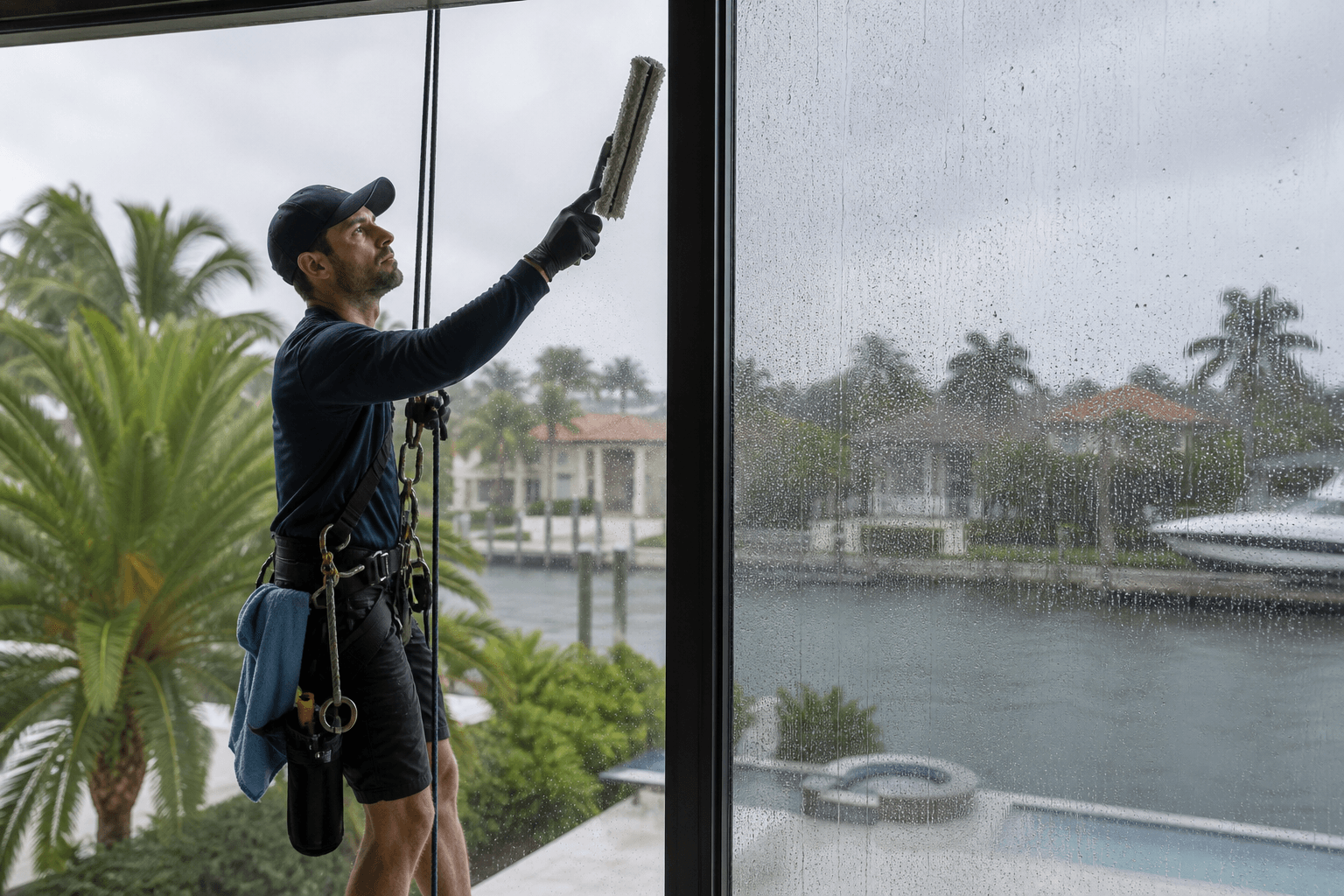
Essential Tools and Solutions for Effective Rainy Season Window Cleaning
Achieving truly clean windows during South Florida’s rainy season requires more than just a spray bottle and a paper towel. The right tools and cleaning solutions are paramount for effective rainy season window cleaning, ensuring streak-free results that stand up to the elements.
For optimal results, invest in professional-grade equipment. A high-quality squeegee with a sharp rubber blade is indispensable. Pair this with a sturdy bucket, a soft-bristle brush or scrubber, and several clean microfiber cloths. These items form the foundation of any successful rainy season window cleaning regimen.
The choice of cleaning solution is equally important. Many professionals opt for a simple yet effective mixture, but specialized products can offer an edge. Always prioritize solutions that cut through grime and rinse cleanly, leaving no residue behind.
What Are the Best Window Cleaning Solutions for Rainy Weather?
For rainy weather, the best window cleaning solutions are those that effectively break down dirt and oil without leaving streaks. A popular and effective DIY solution involves mixing warm water with a few drops of dish soap and a splash of white vinegar. The dish soap tackles grease, while vinegar helps with hard water spots and provides a streak-free finish.
Commercial window cleaning detergents are also excellent choices, often formulated with degreasing agents and quick-drying properties. Some even contain water-repellent additives that can be beneficial for rainy season window cleaning. Always follow the manufacturer’s instructions for dilution and application.
Regardless of the solution you choose, the key is thorough rinsing. Any leftover soap or chemical residue will attract dirt and cause streaking, especially when it rains. Using deionized water, if available, can further enhance streak-free results by eliminating minerals that cause spots.
Should I Use a Squeegee or Microfiber for Streak-Free Window Cleaning in Rain?
For truly streak-free rainy season window cleaning, a squeegee is generally superior to microfiber cloths for the main cleaning pass. A high-quality squeegee, used with proper technique, removes all the dirty water and solution in one clean swipe, preventing streaks and drips.
Microfiber cloths are excellent for detailing, wiping edges, and polishing after the squeegee has done its primary work. They are also ideal for quick touch-ups or for cleaning smaller panes where a squeegee might be awkward. For the most effective rainy season window cleaning, a combination of both tools is often best: squeegee for the main clean, microfiber for the finish.
When using a squeegee, ensure the blade is clean and sharp. Overlap each stroke slightly and wipe the blade clean after every pass to avoid transferring dirt. This meticulous approach is what separates a good clean from a great one, particularly in challenging rainy conditions.
Preventing Water Spots and Enhancing Longevity in Rainy Season Window Cleaning
The battle against water spots is central to effective rainy season window cleaning. Hard water minerals, common in South Florida, are the primary culprits, leaving unsightly white rings as rainwater evaporates. Preventing these spots and extending the cleanliness of your windows requires proactive strategies.
Beyond cleaning, applying specialized treatments can significantly improve your windows’ resistance to rain and spotting. These coatings create a barrier that helps water bead up and roll off, rather than clinging to the glass and leaving mineral deposits. This is a game-changer for maintaining clarity during the wet season.
Understanding the timing of your cleaning efforts can also make a difference. While you can’t control the rain, you can optimize when and how you clean to maximize the longevity of your sparkling views, even with frequent downpours. This strategic approach is vital for successful rainy season window cleaning.
How Can I Prevent Water Spots on My Windows From Rain?
To prevent water spots, the most crucial step is to ensure your windows are impeccably clean and free of any residue after washing. Any leftover soap or mineral deposits will act as magnets for new spots. Using deionized water for the final rinse can dramatically reduce mineral content and prevent spotting.
After cleaning, consider applying a hydrophobic or rain-repellent coating. These products create a slick, non-porous surface that causes water to bead up and quickly run off the glass, taking dirt and minerals with it. This significantly minimizes the chances of water spots forming, making your rainy season window cleaning efforts last longer.
Regular maintenance also plays a role. If you notice fresh rain spots, address them quickly before they dry and etch into the glass. A quick wipe with a damp microfiber cloth and a dry polish can often prevent stubborn buildup. For persistent issues, professional intervention might be necessary.
Are There Specific Products to Make Windows Rain-Resistant After Cleaning?
Yes, several products are designed to make windows rain-resistant, a significant advantage for rainy season window cleaning. These are often referred to as hydrophobic coatings or glass sealants. They work by creating a super-smooth, water-repellent layer on the glass surface.
Automotive glass treatments like Rain-X are widely available and can be effective for home windows. There are also professional-grade architectural glass sealants that offer longer-lasting protection. These products typically involve a simple application after cleaning, followed by a buffing process.
When choosing a product, look for those specifically designed for glass and ensure they are compatible with your window type. Applying these treatments can drastically reduce water adhesion, making subsequent rainy season window cleaning easier and less frequent. For more information on different types of coatings, you can consult resources like ScienceDirect’s overview of hydrophobic coatings.
What is the Difference Between Various Rain-Repellent Window Treatments?
Rain-repellent window treatments generally fall into two main categories: hydrophobic coatings and sacrificial coatings. Understanding the distinction is key to choosing the right solution for your rainy season window cleaning strategy.
Hydrophobic coatings chemically bond with the glass, creating a durable, long-lasting surface that actively sheds water. These are often silica-based or polymer-based and can last for many months, sometimes even years. They are excellent for reducing water spots and making windows easier to clean.
Sacrificial coatings, on the other hand, are typically waxes or silicone-based products that sit on the surface of the glass. They create a temporary barrier that causes water to bead, but they wear off more quickly, often requiring reapplication every few weeks or months. While less durable, they are usually easier to apply and more affordable for DIY rainy season window cleaning efforts.
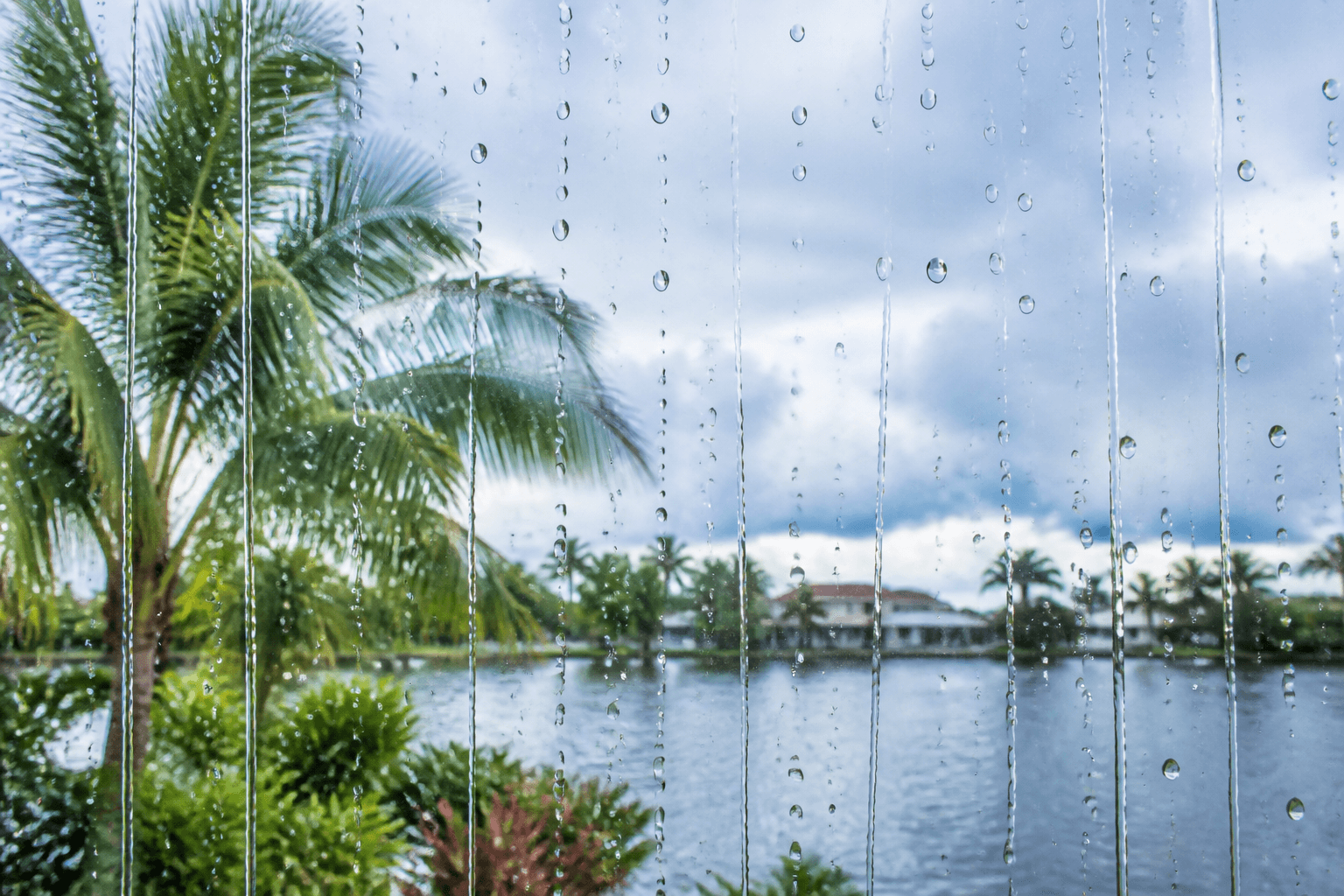
The Power of Professional Rainy Season Window Cleaning Services
While DIY efforts can certainly help, the unique demands of South Florida’s climate often make professional rainy season window cleaning an invaluable investment. Experts possess the specialized equipment, techniques, and knowledge to deliver consistently sparkling results, even when the weather is uncooperative.
Professional services can tackle the toughest grime, hard water stains, and environmental residues that accumulate rapidly during the wet season. They use industrial-grade solutions and deionized water systems that are often unavailable to the average homeowner, ensuring a truly streak-free finish that lasts longer.
For homeowners and businesses in areas like Boca Raton, entrusting your windows to professionals like JJL Cleaning Services means enjoying consistently clear views without the hassle. This ensures your property always looks its best, regardless of the weather, providing peace of mind during the challenging rainy season window cleaning period.
Who Provides Professional Rainy Season Window Cleaning Services in My Area?
If you’re in South Florida, specifically Boca Raton and surrounding areas, JJL Cleaning Services is a leading provider of professional rainy season window cleaning. With extensive experience in the local climate, they understand the specific challenges posed by frequent rain, humidity, and hard water.
JJL Cleaning Services utilizes advanced techniques and eco-friendly solutions to ensure your windows remain pristine and streak-free. They cater to both residential and commercial properties, offering tailored cleaning plans to suit your needs. For reliable and high-quality rainy season window cleaning, they are a trusted local choice.
Choosing a local company means they are familiar with the specific environmental factors affecting your windows, from salt spray to pollen. Their expertise ensures that your investment in professional rainy season window cleaning yields the best possible results, keeping your views clear and your property looking immaculate.
How Often Should Windows Be Cleaned if It Rains Frequently?
In frequently rainy climates like South Florida, professional rainy season window cleaning is typically recommended every 1 to 3 months. While this might seem frequent, consistent cleaning prevents the buildup of stubborn dirt, grime, and hard water stains that become much harder to remove over time.
Regular cleaning ensures that new rain has less existing dirt to mix with, reducing the likelihood of severe streaking and spotting. For homes or businesses in high-traffic areas or near the coast, a monthly schedule might be more appropriate to combat rapid accumulation of pollutants and salt spray, ensuring optimal clarity for your windows.
Ultimately, the ideal frequency depends on your specific location, environmental exposure, and personal standards for cleanliness. A professional assessment from a company like JJL Cleaning Services can help determine the best schedule for your property’s rainy season window cleaning needs.
Can Professional Window Cleaning Companies Work in Light Rain or Drizzle?
Yes, many professional window cleaning companies, including JJL Cleaning Services, are fully equipped and able to work effectively in light rain or drizzle. Mild rain typically does not significantly impede the cleaning process, especially when cleaners use professional-grade solutions and techniques.
In fact, light rain can sometimes even assist the cleaning process by pre-wetting the glass. Professional cleaners use specialized squeegees and solutions that repel water and prevent streaking, ensuring a quality clean regardless of a light sprinkle. However, heavy downpours, thunderstorms, or strong winds usually necessitate rescheduling for safety and optimal results.
Don’t let a little drizzle deter you from scheduling your rainy season window cleaning. Most professionals are flexible and will communicate any necessary adjustments to your appointment based on weather conditions, ensuring your windows get the attention they need.
Achieve Sparkling Rainy Season Window Cleaning with JJL Cleaning Services
Don’t let the South Florida rainy season diminish your views. JJL Cleaning Services provides expert window cleaning solutions designed to keep your glass pristine and streak-free, utilizing proven techniques and top-tier products.
Rainy season window cleaning is a unique challenge in South Florida, but with the right approach, sparkling views are entirely achievable. By understanding the causes of streaks and spots, utilizing effective tools and solutions, and considering professional services, you can maintain pristine windows throughout the wet season.
Whether you opt for diligent DIY methods, invest in rain-repellent coatings, or choose the consistent quality of professional cleaners, the goal remains the same: clear, beautiful windows that enhance your home or business. Embrace these powerful tips to transform your rainy season window cleaning routine and enjoy uninterrupted views of our stunning South Florida landscape.
Why do my windows get streaky even after cleaning them during rainy season?
Streaks often appear due to leftover cleaning solution residue, hard water minerals, or dissolved dirt from rain mixing with the residual film on the glass. Improper drying techniques or using dirty tools can also contribute, especially when high humidity prevents quick evaporation.
What are the best window cleaning solutions for rainy weather?
For rainy weather, solutions with a strong degreasing agent and a quick-drying formula are ideal. Many professionals use a mix of dish soap, water, and a small amount of white vinegar or specialized commercial window cleaning detergents. The key is to rinse thoroughly and dry quickly.
How often should windows be cleaned if it rains frequently?
In frequently rainy climates like South Florida, professional rainy season window cleaning is recommended every 1-3 months. While rain itself won’t typically clean windows, consistent washing prevents the buildup of dirt and hard water stains that can be harder to remove later.
Are there specific products to make windows rain-resistant after cleaning?
Yes, there are hydrophobic or rain-repellent coatings designed for windows. These products create a slick surface that causes water to bead up and roll off, reducing water spots and keeping windows cleaner for longer. Look for professional-grade automotive or architectural glass sealants.
Who provides professional rainy season window cleaning services in my area?
JJL Cleaning Services offers professional rainy season window cleaning throughout Boca Raton and surrounding South Florida areas. With over a decade of experience, we specialize in delivering streak-free results for both residential and commercial properties, even in challenging wet conditions.
How can I prevent water spots on my windows from rain?
To prevent water spots, ensure windows are thoroughly cleaned and free of residue. Applying a rain-repellent coating can significantly help. Additionally, consider having your windows professionally cleaned, as experts use deionized water and proper squeegee techniques to minimize spotting.
Can professional window cleaning companies work in light rain or drizzle?
Yes, many professional window cleaning companies, including JJL Cleaning Services, can work effectively in light rain or drizzle. Mild rain doesn’t significantly impact the cleaning process, especially if cleaners use professional techniques and high-quality solutions that repel water and prevent streaking. Heavy downpours, however, usually require rescheduling.
What is the difference between various rain-repellent window treatments?
Rain-repellent window treatments generally fall into two categories: hydrophobic coatings and sacrificial coatings. Hydrophobic coatings chemically bond with the glass to create a water-shedding surface. Sacrificial coatings, often waxes or polymers, sit on the surface and wear off over time. Both aim to reduce water adhesion and spotting.

