
Post Storm Cleanup: 3 Essential Solutions for Rapid South Florida Property Recovery
Post storm cleanup is an immediate and critical undertaking for any property owner in South Florida. When the winds subside and the waters recede, the aftermath of a severe storm can leave behind a daunting landscape of debris, damage, and potential hazards. Swift and strategic action is not just about restoring aesthetics; it is fundamentally about ensuring safety, preventing further damage, and initiating a rapid path to recovery.
For residents and businesses across the region, understanding the most effective solutions for managing this challenging period is paramount.
This authoritative guide will navigate you through the essential strategies for efficient and thorough recovery. We will delve into three core solutions that empower South Florida property owners to tackle the complexities of storm damage head-on. From immediate debris removal to professional restoration and navigating insurance claims, our aim is to provide clarity and actionable insights, ensuring your property is not just cleaned, but truly recovered and resilient.
Key Takeaways for Effective Post Storm Cleanup
- Prioritize safety and immediate hazard assessment as the first steps in any post storm cleanup operation.
- Understand the critical difference between DIY efforts and when to engage professional services for large-scale debris removal and structural damage.
- Learn how to document damage meticulously for insurance claims to ensure comprehensive coverage for your property recovery.
- Discover the importance of prompt water damage mitigation to prevent secondary issues like mold growth and structural compromise.
Understanding the Urgency of Post Storm Cleanup
The moments immediately following a storm are fraught with challenges, but they also present a critical window for action. Delaying post storm cleanup can exacerbate existing damage, introduce new hazards, and significantly prolong the overall recovery process. South Florida’s unique climate, characterized by high humidity and frequent rainfall, makes prompt cleanup even more vital to prevent issues like mold and mildew.
Beyond visible debris, storms often leave behind hidden dangers. Downed power lines, compromised structures, and contaminated water sources pose serious risks to anyone attempting cleanup. An informed and cautious approach is essential to protect both property and life.
Immediate Steps for Safe Post Storm Cleanup
Prioritizing safety is the absolute first step. Before you even consider touching debris, conduct a visual assessment from a safe distance. Look for downed power lines, which should always be assumed to be live and reported to utility companies immediately. Check for any gas leaks, which can be identified by a distinct odor or hissing sound, and evacuate if detected.
Wear appropriate personal protective equipment (PPE), including sturdy closed-toe shoes, thick gloves, long pants, and long-sleeved shirts. Goggles or safety glasses are crucial to protect your eyes from flying debris. Document all damage with photos and videos for insurance purposes before any cleanup begins. Secure your property by boarding up broken windows or tarping damaged roofs to prevent further water intrusion.
Why Prompt Post Storm Cleanup is Essential for Property Safety
The rapid response to storm damage is not merely about aesthetics; it is a fundamental aspect of property preservation. Leaving debris, standing water, or compromised structures unattended creates a cascade of potential problems. Standing water, for instance, is a breeding ground for mold and bacteria, which can begin to grow within 24-48 hours, leading to extensive remediation costs and health risks.
Unsecured structures can collapse, and loose debris can become projectiles in subsequent winds. Furthermore, delaying cleanup can void certain insurance claims or complicate the assessment process. A swift post storm cleanup minimizes these risks, safeguarding your investment and the well-being of your family or occupants.
Common Hazards During Post Storm Cleanup
Navigating a storm-damaged property requires acute awareness of potential dangers. Beyond downed power lines and gas leaks, watch out for hidden sharp objects like broken glass, nails, and splintered wood. Floodwaters can be contaminated with sewage, chemicals, and other hazardous materials, posing serious health risks. Always assume floodwaters are unsafe.
Unstable structures, such as partially collapsed roofs or walls, can give way without warning. Be vigilant for displaced wildlife, including snakes, rodents, and insects, which may seek shelter in damaged areas. Always exercise extreme caution and, when in doubt, defer to professional assessment.
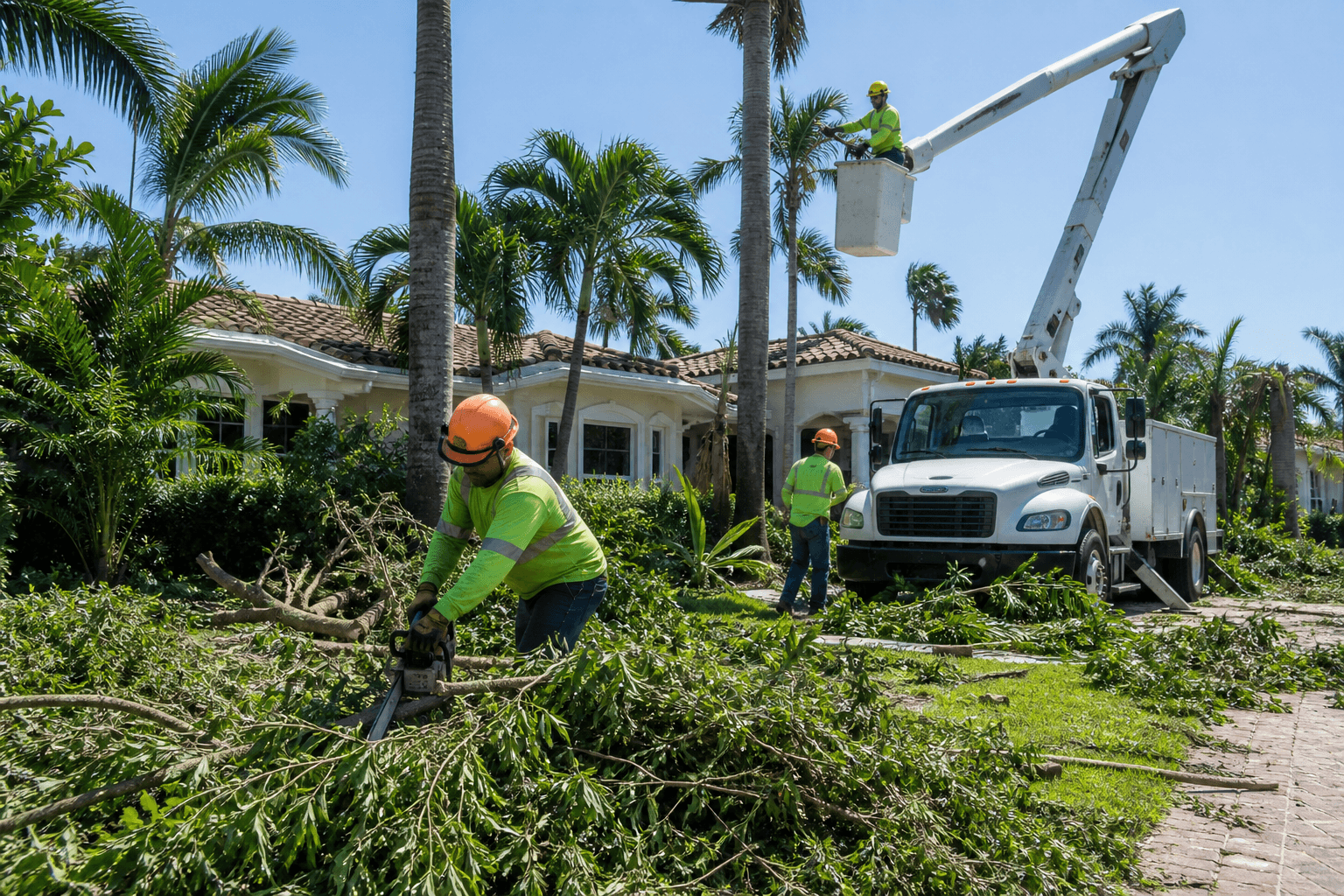
Solution 1: Immediate Debris Removal and Property Securing for Post Storm Cleanup
The sheer volume of debris left behind by a storm can be overwhelming. From fallen trees and broken branches to shattered glass and displaced personal belongings, clearing your property is a monumental task. Effective debris removal is a cornerstone of any successful post storm cleanup operation, directly impacting safety and the speed of recovery. This initial phase sets the stage for all subsequent restoration efforts.
Safely Removing Fallen Trees and Large Debris After a Storm
Fallen trees and large branches are among the most dangerous and challenging elements of storm damage. Attempting to remove them without proper training, equipment, or safety gear can lead to severe injury or further property damage. Trees under tension can snap unpredictably, and heavy logs require specialized lifting and cutting tools.
For any significant tree removal, it is always recommended to contact professional tree services. These experts possess the necessary equipment, such as chainsaws, chippers, and grapple trucks, and are trained in safe felling and removal techniques. They understand the dynamics of compromised trees and can execute removal safely and efficiently. For more information on safe practices, consult resources like OSHA’s Cleanup and Recovery Guide.
Tools and Equipment for DIY Storm Damage Cleanup
For minor debris and light yard waste, a DIY approach might be feasible, provided you prioritize safety. Essential tools include heavy-duty work gloves, sturdy boots, safety goggles, and a hard hat. A heavy-duty rake, shovel, and wheelbarrow are invaluable for clearing smaller branches, leaves, and mud. Tarps can be used to collect and transport lighter debris.
For cutting small branches, a hand saw or loppers may suffice. However, never attempt to use a chainsaw unless you are properly trained and equipped. Always assess the task’s scope and your capabilities; if it feels too large or dangerous, call professionals.
Where to Dispose of Storm-Related Yard Waste and Debris
Disposing of storm debris, especially large volumes of yard waste, requires adherence to local regulations. Many South Florida municipalities establish special collection sites or temporary drop-off points after major storms. These sites are designed to handle large quantities of vegetative debris and construction waste.
Check your local city or county website for specific guidelines on debris separation (e.g., vegetative vs. construction and demolition waste) and collection schedules. Improper disposal can lead to fines and environmental issues. Professional cleanup services often include debris hauling and disposal as part of their comprehensive offerings, simplifying this complex step.
Need Expert Post Storm Cleanup? Call JJL Cleaning Services
JJL Cleaning Services provides licensed and insured post-storm cleanup, ensuring a swift and safe recovery for your South Florida property. Trust our decade of experience.
Solution 2: Professional Water Damage Mitigation and Restoration After a Storm
Water is often the most insidious element of storm damage, capable of causing extensive and long-lasting harm if not addressed immediately. From floodwaters entering your home to leaks from a compromised roof, effective water damage mitigation is a critical component of any comprehensive post storm cleanup strategy. The goal is to dry out affected areas rapidly and prevent secondary damage.
Types of Storm Damage Requiring Professional Cleanup Versus DIY
Deciding when to call in professionals versus handling cleanup yourself is a crucial decision that impacts both safety and the effectiveness of your recovery.
- DIY Scope: Minor debris removal (small branches, leaves), light sweeping, and surface-level cleaning on unaffected structures. This typically involves tasks that do not pose a risk of structural collapse, electrical hazards, or exposure to contaminated water.
- Professional Scope:
- Structural Damage: Any compromise to the foundation, roof, walls, or load-bearing elements.
- Extensive Water Intrusion: Flooding beyond a few inches, water in electrical systems, or prolonged saturation.
- Mold Remediation: Visible mold growth or persistent musty odors indicating hidden mold.
- Hazardous Material Exposure: Sewage backup, chemical spills, or asbestos concerns.
- Large Tree Removal: Any tree that is large, unstable, or near structures/power lines.
- Electrical System Damage: Any water contact with outlets, panels, or wiring.
Professional services have specialized equipment for water extraction, drying, and dehumidification, which are vital for preventing mold and preserving structural integrity.

Solution 3: Navigating Insurance and Recovery Assistance for Post Storm Cleanup
The financial burden of storm damage can be substantial, making the insurance claim process a vital part of your recovery. Understanding how to effectively document damage and work with your insurance provider can significantly ease the financial strain of post storm cleanup. Additionally, various government programs may offer further assistance.
How to Get Your Insurance Company to Cover Post Storm Cleanup Expenses
Successfully navigating an insurance claim requires meticulous documentation and proactive communication.
- Document Everything: Before any cleanup begins, take extensive photos and videos of all damage, both inside and out. Capture wide shots and close-ups. Keep a detailed log of all damaged items.
- Contact Your Insurer Immediately: Report the damage as soon as it is safe to do so. The sooner you file a claim, the quicker the process can begin.
- Prevent Further Damage: Take reasonable steps to mitigate further damage (e.g., tarping a damaged roof, boarding up windows). Keep receipts for any materials purchased for this purpose.
- Keep Detailed Records: Maintain a file with all communications with your insurance company, including dates, names of representatives, and summaries of conversations. Keep all receipts for cleanup expenses, temporary repairs, and any associated costs.
- Get Multiple Estimates: Obtain detailed estimates from reputable cleanup and repair companies. This helps ensure fair pricing and provides your insurer with comprehensive information.
Be patient but persistent throughout the process. A well-documented claim is your strongest asset.
Are There Government Assistance Programs for Storm Cleanup and Recovery?
Yes, various government assistance programs can provide crucial support for individuals and communities impacted by severe storms. The Federal Emergency Management Agency (FEMA) is a primary source of federal disaster aid. If your area is declared a federal disaster zone, you may be eligible for:
- Individual Assistance: Financial aid for temporary housing, home repairs, and other serious disaster-related needs not covered by insurance.
- Public Assistance: Funds for state and local governments, and certain private non-profit organizations, for emergency work and the repair or replacement of disaster-damaged facilities.
Additionally, state and local governments often have their own disaster relief programs. Check official government websites (e.g., FEMA.gov, FloridaDisaster.org) for eligibility requirements, application procedures, and deadlines. These programs can be a lifeline for those facing significant recovery costs.
Choosing Your Post Storm Cleanup Partner in South Florida
When faced with the aftermath of a storm, the decision to engage professional help for post storm cleanup is often the most prudent one. South Florida’s unique environmental challenges and the scale of potential damage necessitate experienced and reliable partners. Selecting the right company can make all the difference in the speed, safety, and thoroughness of your property’s recovery.
Who Provides Professional Storm Cleanup Services in My Area?
In South Florida, numerous companies specialize in storm cleanup and disaster recovery. When searching for a provider, look for companies that are licensed, insured, and have a proven track record. Local companies like JJL Cleaning Services, serving areas such as Boca Raton, often have a deep understanding of regional challenges and specific municipal regulations regarding debris disposal and permits.
Verify their credentials, read customer reviews, and ensure they offer the specific services you need, such as debris removal, water extraction, mold remediation, and structural drying. A reputable company will provide transparent estimates and clear communication throughout the process.
How Much Does Professional Storm Cleanup Typically Cost?
The cost of professional post storm cleanup can vary significantly due to several factors. These include the extent of the damage, the type and volume of debris, the size of the property, and the specific services required (e.g., tree removal, water mitigation, structural repairs). For instance, extensive water damage requiring specialized drying equipment will incur different costs than simple yard debris removal.
It is always advisable to obtain a detailed, free estimate from a reputable service provider. This estimate should clearly outline all services, labor, equipment, and disposal fees. Be wary of companies that demand upfront payment without a clear scope of work or offer estimates that seem significantly lower than others, as this could indicate hidden costs or subpar service.
What is the Average Duration for a Comprehensive Post Storm Cleanup?
The timeline for a comprehensive post storm cleanup is highly variable, depending on the severity and nature of the storm damage. For minor debris and light water intrusion, cleanup might take only a few days. However, for properties with extensive structural damage, significant flooding, or large-scale tree removal, the process can extend to several weeks or even months.
Factors influencing duration include the availability of resources (crews, equipment), the complexity of the damage, the efficiency of the cleanup crew, and the speed of insurance processing. A professional cleanup company should be able to provide an estimated timeline during their initial assessment, helping you set realistic expectations for your property’s recovery journey. For more information on comprehensive cleaning solutions, visit JJL Cleaning Services’ commercial cleaning options, which often include aspects of disaster recovery.
What are the immediate steps for safe post storm cleanup?
Prioritize safety. Check for downed power lines, gas leaks, and structural damage. Wear protective gear like gloves and sturdy shoes. Document all damage for insurance, and secure your property to prevent further issues.
How do I safely remove fallen trees and large debris after a storm?
For large trees and heavy debris, it’s safest to call professionals. They have specialized equipment and training to handle dangerous situations. DIY attempts can lead to serious injury or further property damage.
Who provides professional storm cleanup services in my area?
Companies like JJL Cleaning Services offer comprehensive post storm cleanup in South Florida, serving areas like Boca Raton. Look for licensed, insured, and experienced local providers.
Why is prompt post storm cleanup essential for property safety?
Prompt cleanup prevents secondary damage like mold growth, further structural instability, and pest infestations. It also reduces safety hazards from debris and allows for quicker recovery and restoration.
What tools and equipment are necessary for DIY storm damage cleanup?
For light debris, you might need work gloves, sturdy boots, goggles, a heavy-duty rake, shovel, wheelbarrow, and tarps. Always prioritize safety and assess if the task is within your capabilities.
How much does professional storm cleanup typically cost?
Costs vary widely depending on the extent of damage, type of debris, property size, and location. It’s best to get a detailed, free estimate from a reputable service provider like JJL Cleaning Services.
Where can I dispose of storm-related yard waste and debris?
Check with your local municipality for specific guidelines on storm debris disposal. Many areas set up temporary drop-off sites or special collection schedules after major storms.
What are the most common hazards to watch out for during post storm cleanup?
Watch for downed power lines, hidden sharp objects, unstable structures, contaminated water, gas leaks, and venomous wildlife. Always assume electrical lines are live and stay clear.
How do I get my insurance company to cover post storm cleanup expenses?
Document all damage with photos and videos immediately. Contact your insurance provider as soon as possible to file a claim. Keep detailed records of all cleanup expenses and communications.
Who should I call for emergency tree removal after a severe storm?
For emergency tree removal, contact a professional tree service or a comprehensive storm cleanup company that offers such specialized services. They have the equipment and expertise to safely remove hazardous trees.
When is it safe to begin post storm cleanup operations?
Wait until authorities declare the area safe to re-enter. Ensure all immediate dangers like active power lines or flooding have been addressed. If unsure, consult with local emergency services.
What types of storm damage require professional cleanup versus DIY?
Professional cleanup is recommended for structural damage, extensive water intrusion, large tree removal, hazardous material exposure, or any situation posing a significant safety risk. DIY is only for minor, non-hazardous debris.
Are there government assistance programs for storm cleanup and recovery?
Yes, federal and state agencies like FEMA often provide disaster assistance programs for individuals and communities affected by severe storms. Check official government websites for eligibility and application details.
Can I get a free estimate for post storm cleanup services?
Many reputable companies, including JJL Cleaning Services, offer free estimates for post storm cleanup services. It’s always advisable to get multiple quotes before committing.
What is the average duration for a comprehensive post storm cleanup?
The duration of a comprehensive post storm cleanup can vary greatly, from a few days for minor damage to several weeks or even months for extensive property restoration, depending on the severity and resources available.
Your Path to a Swift and Safe Property Recovery
The aftermath of a storm can be a challenging and stressful period for any South Florida property owner. However, with a clear understanding of the essential solutions for post storm cleanup, you can navigate this process with confidence and efficiency. From prioritizing immediate safety and effective debris removal to engaging professional water damage mitigation and strategically managing insurance claims, each step is crucial for a rapid and resilient recovery.
Remember, proactive measures and informed decisions are your strongest allies in restoring your property to its pre-storm condition. By choosing reputable professionals and understanding the resources available, you are not just cleaning up; you are rebuilding, strengthening, and securing your investment for the future. Take the first step towards a swift and safe recovery today.

