
The suddenness of an unexpected spill or disaster can be overwhelming, turning your Boca Raton property into a scene of chaos. Knowing the right Emergency Clean Up Tips is not just about tidying up; it’s about safeguarding your home or business from extensive damage and ensuring a swift, effective recovery. Rapid response can make the difference between minor inconvenience and major restoration projects.
Key Takeaways
- Understand the immediate actions required for water damage to prevent further structural issues and mold growth.
- Learn the critical safety protocols and necessary equipment for handling hazardous spills effectively.
- Recognize when to engage professional cleanup services for complex disasters like fire, mold, or extensive flooding.
- Discover how proper sanitization and disinfection are crucial steps in any post-emergency cleanup process.
Understanding Essential Emergency Clean Up Tips for Water Damage
Water damage, whether from a burst pipe, an overflowing appliance, or a sudden flood, demands immediate attention. Acting quickly can significantly reduce the extent of the damage and prevent costly secondary issues like mold growth. These crucial Emergency Clean Up Tips will guide your initial response.
Essential First Steps for Water Damage: Emergency Clean Up Tips
For any water emergency, your first priority is safety. Immediately identify and stop the water source. This might mean turning off the main water supply to your home or business, especially if it’s a pipe burst. Ensure that no electrical hazards are present by turning off power to affected areas if necessary.
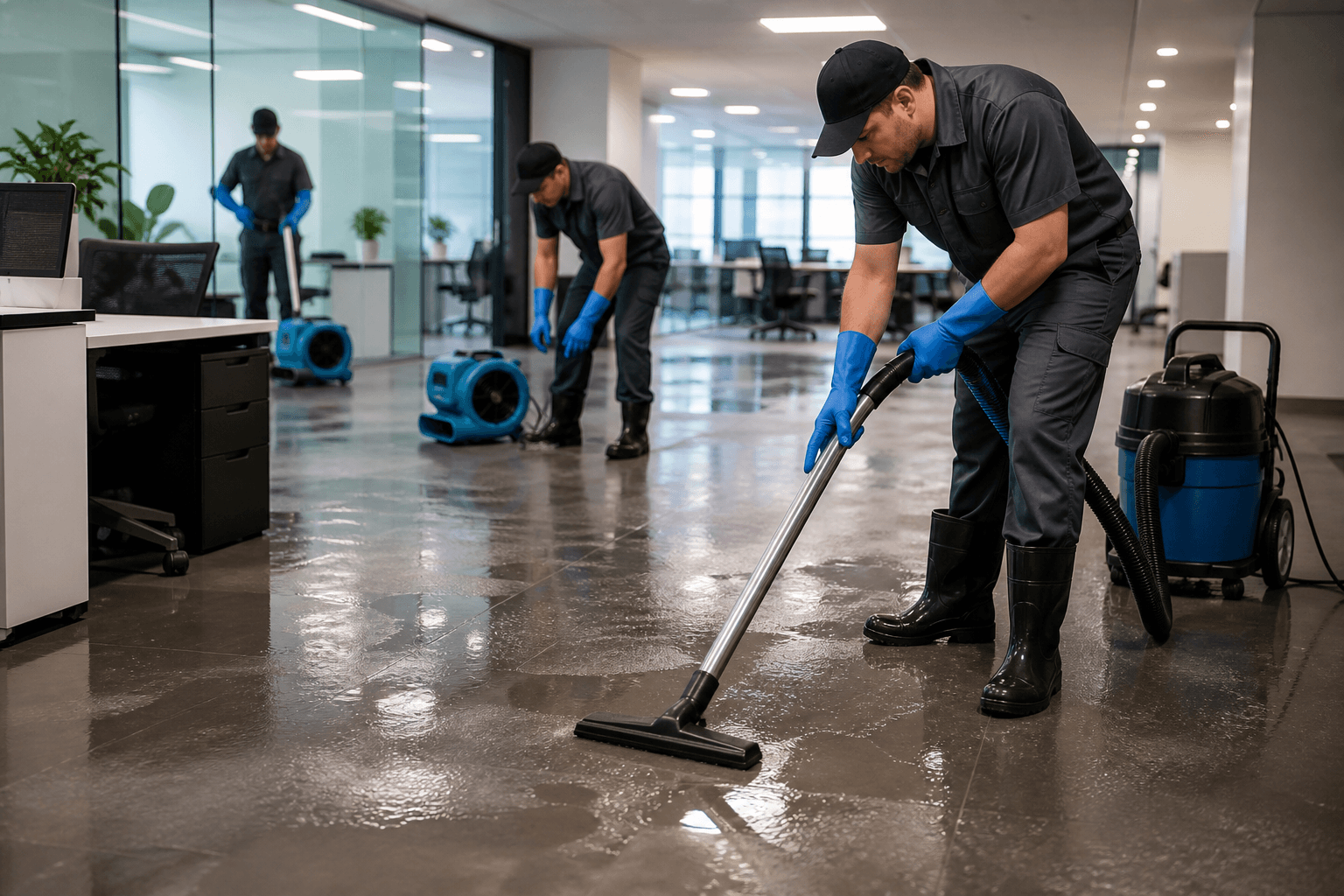
Once the water flow is stopped, begin removing standing water as quickly as possible. Use wet vacuums, mops, and absorbent towels. The faster you extract the water, the less time it has to saturate materials and cause deeper damage. Ventilate the area by opening windows and using fans to aid in the drying process.
Why Immediate Cleanup is Crucial: Emergency Clean Up Tips
Immediate cleanup after a flood or water burst is paramount to minimize damage and prevent secondary issues. Water can rapidly saturate porous materials like drywall, flooring, and insulation, leading to structural compromise and creating an ideal environment for mold and mildew to flourish within 24-48 hours. Prompt action significantly reduces repair costs and health risks.
Delaying cleanup allows water to seep deeper into structures, weakening foundations and fostering microbial growth. This not only increases the scope of necessary repairs but can also pose serious health concerns for occupants. Swift intervention is a cornerstone of effective water damage management.
Preventing Secondary Damage with Smart Emergency Clean Up Tips
Beyond the initial water removal, preventing secondary damage is key. Move wet items to a dry area, or discard items that cannot be salvaged, such as saturated drywall or insulation. Use dehumidifiers to reduce moisture levels in the air, which helps dry out materials and inhibits mold growth.
Elevate furniture and other belongings off wet floors to prevent further absorption. Document all damage with photos or videos for insurance purposes. These proactive measures, part of comprehensive Emergency Clean Up Tips, are vital for a successful recovery.
Safely Handling Hazardous Spills: Emergency Clean Up Tips
Hazardous spills present unique challenges and risks, requiring a cautious and informed approach. Whether it’s a chemical leak, fuel spill, or biological contaminant, knowing how to react safely is paramount. These specialized Emergency Clean Up Tips focus on protecting yourself and your property.
How to Safely Clean Up Hazardous Spills: Emergency Clean Up Tips
Safely cleaning hazardous spills requires extreme caution and appropriate personal protective equipment (PPE). Always wear gloves, eye protection, and a mask to prevent direct contact and inhalation. Contain the spill immediately to prevent it from spreading further, using absorbent materials like sand, kitty litter, or specialized spill kits.
Ensure the area is well-ventilated to disperse fumes. If the substance is unknown, highly toxic, or a large volume, do not attempt to clean it yourself. Instead, contact emergency services or a specialized hazardous material cleanup team. Prioritizing safety over speed is a critical aspect of these Emergency Clean Up Tips.
Building Your Emergency Clean Up Kit: Essential Emergency Clean Up Tips
An effective emergency cleanup kit is your first line of defense against unexpected incidents. It should include rubber gloves, safety goggles, N95 masks, absorbent towels or rags, buckets, mops, heavy-duty trash bags, and plastic sheeting. For water damage, a wet/dry vacuum is invaluable for efficient water extraction.
Consider adding a utility knife, flashlight, and a basic first-aid kit. Having these supplies readily available can significantly improve your response time and effectiveness, making them indispensable for comprehensive Emergency Clean Up Tips. Regularly check and restock your kit to ensure everything is in working order.
Professional Emergency Clean Up Tips: When to Call the Experts
While some minor spills can be handled with DIY methods, many emergency situations require the specialized knowledge and equipment of professional cleanup services. Recognizing when to call in the experts is a crucial part of smart Emergency Clean Up Tips.
Who to Contact for Professional Emergency Clean Up Tips
For professional emergency clean up services, contact a licensed, insured, and reputable cleaning and restoration company like JJL Cleaning Services. They specialize in handling various disasters, including water, fire, and mold damage, possessing the expertise and specialized equipment for effective and safe cleanup. Look for companies with certifications from organizations like the IICRC (Institute of Inspection, Cleaning and Restoration Certification).
These professionals are equipped to assess the full extent of damage, develop a comprehensive cleanup plan, and execute it safely and efficiently. Their services extend beyond simple cleaning to include structural drying, odor removal, and complete restoration, ensuring your property is returned to its pre-damage condition.
Finding Reputable Emergency Clean Up Companies: Boca Raton Emergency Clean Up Tips
To find reputable emergency cleanup companies near you in Boca Raton, start by searching online for “emergency cleanup services Boca Raton.” Check online reviews on platforms like Google and Yelp, and verify licenses and insurance. Ask for recommendations from friends, family, or local businesses. A reliable company will offer rapid response times and transparent communication.
Companies like JJL Cleaning Services, serving Boca Raton and South Florida, are known for their reliability and rapid response. They understand the unique challenges of our local climate and can provide tailored solutions. Always get multiple quotes and ensure the company provides a detailed scope of work before proceeding.
DIY vs. Professional: Making the Right Emergency Clean Up Tips Choice
Deciding whether to tackle an emergency cleanup yourself or hire professionals depends on the scale and nature of the damage. DIY is suitable only for very small, non-hazardous spills that can be managed easily with household supplies. This might include a small water leak quickly contained or a minor non-toxic liquid spill on a hard surface.
You should hire a professional cleanup service for extensive damage, such as significant flooding, large hazardous spills, fire damage covering multiple rooms, or when dealing with sewage or mold. Professionals have specialized equipment, expertise, and safety protocols for thorough and safe cleanup. They can also help navigate insurance claims, which is a significant advantage.
Need Expert Emergency Clean Up Tips?
JJL Cleaning Services provides rapid, professional solutions for unexpected spills and damage in Boca Raton. Our licensed and insured team is ready to restore your property.
What is the Typical Cost Range for Emergency Cleanup Services?
The cost of emergency cleanup services can vary widely based on the type of disaster, the extent of the damage, the size of the affected area, and the specific services required. Minor water extraction might cost a few hundred dollars, while extensive fire or mold remediation could run into thousands or even tens of thousands. Factors like specialized equipment, hazardous material disposal, and labor hours all contribute to the final price.
Most reputable companies provide a detailed estimate after an initial assessment. It is always advisable to get a clear breakdown of costs. For an accurate quote tailored to your specific situation in Boca Raton, contacting a local professional service is the best approach.
Who is Responsible for Paying for Emergency Cleanup (e.g., Insurance, Homeowner)?
Typically, the homeowner’s or business’s property insurance policy covers emergency cleanup services resulting from covered perils like sudden water leaks, fire, or storms. It’s crucial to contact your insurance provider immediately after an incident to understand your coverage, document all damage, and begin the claims process.
The homeowner or business owner is usually responsible for any deductible. Policies vary, so understanding your specific coverage, including limits for water damage, mold remediation, or specific types of hazardous spills, is essential. Professionals can often assist with the documentation needed for insurance claims.
Advanced Emergency Clean Up Tips for Specific Disasters
Different types of emergencies require distinct cleanup strategies. Beyond general spills, specific disasters like mold, fire, and biohazards demand specialized approaches. These advanced Emergency Clean Up Tips delve into the nuances of handling these complex situations.
How Can I Remove Mold Effectively After Water Damage?
Removing mold effectively after water damage requires more than just surface cleaning. For small areas (less than 10 square feet), you can often manage it yourself using protective gear, scrubbing surfaces with a detergent solution, and ensuring thorough drying. However, if mold growth is extensive, covers a large area, or if you suspect it’s in HVAC systems, professional mold remediation is essential.
Professionals use specialized equipment like HEPA vacuums, air scrubbers, and industrial-strength fungicides. They also implement containment procedures to prevent spores from spreading. Attempting to clean large mold infestations without proper training can exacerbate the problem and pose health risks.
What Are the Best Practices for Cleaning Up After Fire and Smoke Damage?
After fire and smoke damage, prioritize safety by ensuring structural integrity before entering the property. Ventilate the area to reduce smoke odor and airborne particles. Avoid touching porous surfaces to prevent setting soot, which can permanently stain materials. Use dry chemical sponges or specialized cleaning agents for soot removal.
Professional Emergency Clean Up Tips for fire damage emphasize careful cleaning, odor removal, and often involve specialized equipment like ozone generators or thermal foggers for thorough restoration. Soot and smoke residues are corrosive and can cause ongoing damage if not properly addressed.
How Do I Sanitize and Disinfect Areas After an Emergency Cleanup?
After an emergency cleanup, sanitizing and disinfecting are critical, especially following water damage or hazardous spills. Use appropriate disinfectants suitable for the affected surfaces, ensuring they are EPA-approved. Follow product instructions carefully for contact time to ensure effectiveness. This step eliminates bacteria, viruses, and mold spores that may remain after the initial cleanup.
For large areas, porous materials, or contamination with sewage, professional sanitization services are highly recommended. They have access to industrial-grade disinfectants and application methods that ensure thorough decontamination, providing peace of mind and a healthier environment.
What is the Difference Between Emergency Cleanup and Restoration Services?
Emergency cleanup focuses on the immediate actions required to mitigate damage and make a property safe and stable after an incident. This includes water extraction, debris removal, hazardous material containment, and initial drying. The goal is to prevent further damage and prepare the site for subsequent work.
Restoration services, on the other hand, encompass the full scope of returning a property to its pre-damage condition. This involves repairs, reconstruction, odor removal, deep cleaning, and often includes specialized treatments for mold or structural issues. Cleanup is the first phase, while restoration is the comprehensive rebuilding and finishing process.
Mastering Emergency Clean Up Tips for Lasting Peace of Mind
Navigating an unexpected disaster can be daunting, but with the right Emergency Clean Up Tips, you can approach the situation with confidence and efficiency. From immediate water damage response to safely handling hazardous spills and knowing when to call in professionals, each step is crucial for protecting your property and well-being.
Remember, rapid action, proper safety measures, and informed decisions are the cornerstones of effective emergency management. For residents and businesses in Boca Raton, having a reliable plan and knowing who to trust for professional assistance can make all the difference. Don’t hesitate to seek expert help when the situation demands it, ensuring a thorough and lasting recovery. For more information on professional cleaning and restoration services, visit JJL Cleaning Services.
What are the essential first steps for emergency water cleanup?
For emergency clean up tips related to water, immediately identify and stop the water source. Turn off the main water supply if it’s a pipe burst. Prioritize safety by ensuring no electrical hazards exist. Then, quickly remove standing water using wet vacuums, mops, or towels to prevent further damage and mold growth. Ventilate the area to aid drying.
How do I safely clean up hazardous spills after an emergency?
Safely cleaning hazardous spills requires extreme caution. Always wear appropriate personal protective equipment (PPE), including gloves, eye protection, and a mask. Contain the spill to prevent spreading using absorbent materials. Ensure good ventilation. If the substance is unknown, highly toxic, or a large volume, do not attempt to clean it yourself. Instead, contact emergency services or a specialized hazardous material cleanup team.
Who should I contact for professional emergency disaster cleanup services?
For professional emergency clean up tips and services, contact a licensed, insured, and reputable cleaning and restoration company like JJL Cleaning Services. They specialize in handling various disasters, including water, fire, and mold damage, possessing the expertise and specialized equipment for effective and safe cleanup.
What supplies should be in an emergency cleanup kit?
An effective emergency cleanup kit should include rubber gloves, safety goggles, N95 masks, absorbent towels or rags, buckets, mops, heavy-duty trash bags, plastic sheeting, a utility knife, a flashlight, and a first-aid kit. For water damage, a wet/dry vacuum can be invaluable for efficient water extraction as part of your emergency clean up tips.
Why is immediate cleanup crucial after a flood or water burst?
Immediate cleanup after a flood or water burst is crucial to minimize damage and prevent secondary issues. Water can quickly saturate materials, leading to structural damage, electrical hazards, and the rapid growth of mold and mildew within 24-48 hours. Prompt action significantly reduces repair costs and health risks, embodying core emergency clean up tips.
Where can I find reputable emergency cleanup companies near my location?
To find reputable emergency clean up tips and companies near you, start by searching online for “emergency cleanup services [Your City/Region, e.g., Boca Raton]”. Check online reviews (Google, Yelp), verify licenses and insurance, and ask for recommendations. Companies like JJL Cleaning Services, serving Boca Raton and South Florida, are known for their reliability and rapid response.
What are the best practices for cleaning up after fire and smoke damage?
After fire and smoke damage, prioritize safety by ensuring structural integrity. Ventilate the area to reduce smoke odor. Avoid touching porous surfaces to prevent setting soot. Use dry chemical sponges or specialized cleaning agents for soot removal. Professional emergency clean up tips for fire damage emphasize careful cleaning, odor removal, and often involve specialized equipment for thorough restoration.
How do I sanitize and disinfect areas after an emergency cleanup?
After an emergency clean up tips phase, sanitizing and disinfecting are critical, especially following water damage or hazardous spills. Use appropriate disinfectants suitable for the affected surfaces, ensuring they are EPA-approved. Follow product instructions for contact time. For large areas or contamination with sewage, professional sanitization services are highly recommended to eliminate bacteria, viruses, and mold spores.
When should I hire a professional cleanup service versus DIY cleanup?
You should hire a professional cleanup service for extensive damage (e.g., significant flooding, large hazardous spills, fire damage covering multiple rooms), when dealing with sewage, or when mold is present. Professionals have specialized equipment, expertise, and safety protocols for thorough and safe cleanup. DIY is suitable only for very small, non-hazardous spills that can be managed easily with household supplies, utilizing basic emergency clean up tips.
Who is responsible for paying for emergency cleanup (e.g., insurance, homeowner)?
Typically, the homeowner’s or business’s property insurance policy covers emergency clean up tips and services resulting from covered perils like sudden water leaks, fire, or storms. It’s crucial to contact your insurance provider immediately after an incident to understand your coverage, document all damage, and begin the claims process. The homeowner or business owner is usually responsible for any deductible.
Learn more from authoritative resources: Consumer Reports and HGTV.

