
emergency cleaning preparedness: 7 Ultimate Strategies for South Florida
The unpredictable nature of South Florida’s weather, from sudden tropical storms to the looming threat of hurricanes, makes proactive planning not just advisable, but absolutely essential. This is where emergency cleaning preparedness steps in as your first line of defense. It’s more than just having a plan; it’s about equipping your home or business with the knowledge, tools, and strategies to mitigate damage and ensure a swift, effective recovery when disaster strikes.
For residents and business owners alike, understanding the nuances of disaster readiness can mean the difference between minor inconvenience and significant, long-lasting damage. This comprehensive guide will walk you through seven ultimate strategies, offering actionable advice tailored to the unique challenges faced by properties in our vibrant, yet vulnerable, region. We’ll cover everything from essential kits to professional services, ensuring you’re ready for anything.
Key Takeaways
- Understand that emergency cleaning preparedness is vital for minimizing damage and ensuring a rapid recovery after South Florida disasters.
- Learn how to assemble an effective emergency cleaning kit with essential supplies and necessary personal protective equipment.
- Discover the crucial steps involved in developing a comprehensive action plan for post-disaster cleanup.
- Recognize the health risks of improper cleanup and the importance of safe procedures, especially after flood or water damage.
- Identify when and why professional cleaning services are indispensable for complex or large-scale restoration efforts.
- Explore strategies for ongoing property maintenance to enhance your overall resilience.
Understanding Emergency Cleaning Preparedness in South Florida
Emergency cleaning preparedness is a proactive approach to managing the aftermath of unforeseen events, such as floods, fires, mold outbreaks, or severe storms. For South Florida, this often means preparing for tropical weather systems that can bring torrential rain, high winds, and widespread power outages. The goal is to minimize damage, protect health, and facilitate a rapid return to normalcy for both residential and commercial properties.
Understanding what this readiness entails goes beyond simply having a broom and bucket. It involves a comprehensive strategy that includes identifying potential risks, assembling necessary supplies, developing clear action plans, and knowing when to call in professional assistance. This foresight can significantly reduce the financial burden and emotional stress associated with disaster recovery.
Why Cleanup Readiness is Crucial for South Florida
South Florida’s unique geographical location makes it particularly susceptible to various natural disasters. Hurricanes and tropical storms are annual threats, bringing with them the risk of severe water damage, structural compromise, and mold growth. Beyond weather events, accidental fires, plumbing failures, and even biohazard incidents can necessitate immediate and thorough cleaning. Effective planning ensures you are not caught off guard.
Having a robust plan in place helps protect your assets, preserves the structural integrity of your property, and safeguards the health of occupants. Without adequate readiness, minor incidents can quickly escalate into major, costly problems, leading to prolonged displacement and extensive repairs. Proactive measures save time, money, and provide invaluable peace of mind.
Common Disasters Requiring Prompt Cleanup
The types of emergencies that demand specialized cleanup efforts in South Florida are diverse. Water damage from floods, burst pipes, or roof leaks is a primary concern, often leading to rapid mold growth if not addressed promptly. Fire and smoke damage require extensive cleanup to remove soot, odors, and corrosive residues. Even seemingly minor events like sewage backups or biohazard spills necessitate immediate, professional intervention.
Each type of disaster presents unique cleaning challenges, underscoring the importance of versatile response planning. Knowing the specific risks your property faces allows you to tailor your efforts, ensuring you have the right resources and knowledge for any scenario. This adaptability is key to a successful recovery.
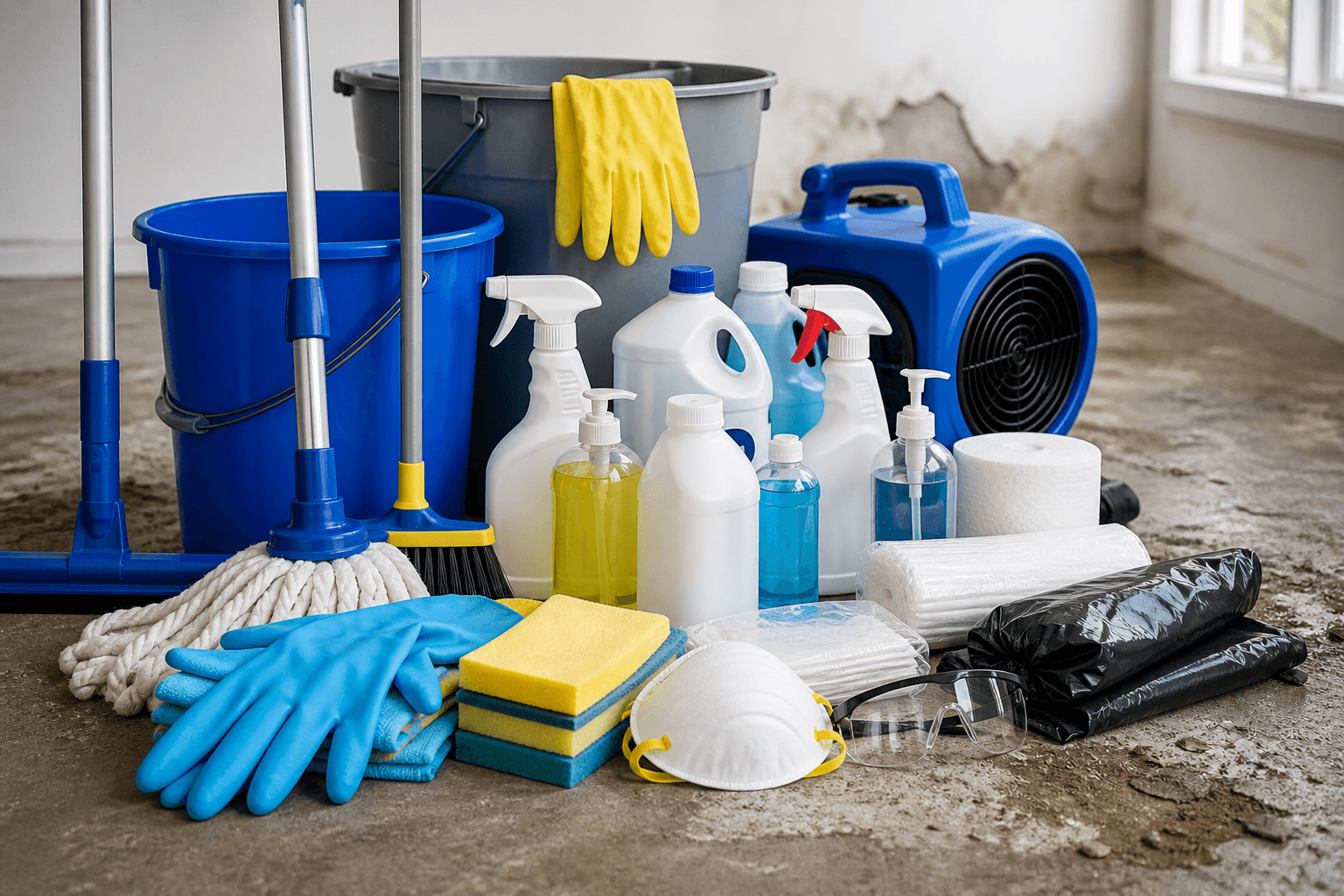
Strategy 1: Building Your Ultimate Emergency Cleaning Preparedness Kit
An effective emergency cleaning kit is your immediate arsenal against disaster. This kit should be easily accessible and regularly inventoried, ensuring all items are in good condition and readily available when needed. Think of it as a specialized extension of your general emergency supplies, focused specifically on cleanup and damage control.
Creating an effective kit involves more than just throwing a few rags into a box. It requires thoughtful consideration of the types of emergencies common in South Florida and the specific cleaning challenges they present. A well-stocked kit can empower you to take immediate action, preventing further damage while awaiting professional help.
Essential Supplies for Your Emergency Cleanup Kit
To create an effective emergency cleaning kit, focus on items that address common post-disaster scenarios. Your kit should include personal protective equipment (PPE) such as N95 masks, heavy-duty gloves, and eye protection to safeguard against contaminants. Essential cleaning supplies include buckets, mops, sponges, heavy-duty trash bags, and strong disinfectants. Consider adding a wet/dry vacuum for water extraction and air movers or fans for drying.
For more extensive water damage, a submersible pump might be beneficial. Include basic tools like a utility knife, pry bar, and screwdriver for minor demolition or repairs. Don’t forget a first-aid kit, flashlight, and extra batteries. This comprehensive approach ensures you’re ready for immediate response.
Where to Buy Emergency Cleaning Supplies in Bulk
For businesses and larger properties, purchasing emergency cleaning supplies in bulk is a smart economic and logistical choice. Commercial cleaning supply distributors, large home improvement stores, and industrial safety equipment suppliers are excellent sources. Online wholesale retailers specializing in disaster preparedness or janitorial products also offer competitive pricing and convenient delivery. Stocking up ensures you have sufficient quantities for significant cleanup efforts.
Planning ahead for bulk purchases is a critical component of robust disaster readiness. It prevents last-minute scrambling when supplies are scarce and prices are inflated during a crisis. Many local suppliers in South Florida also offer discounts for bulk orders, making it a cost-effective strategy.
Necessary Protective Gear for Emergency Cleanup
Safety during emergency cleanup cannot be overstated. Necessary protective gear is paramount to prevent exposure to hazardous materials, mold, bacteria, and chemicals. This includes N95 respirators or higher-grade masks to protect against airborne particles, chemical-resistant gloves to shield hands, and eye protection (goggles) to prevent splashes. Waterproof boots are essential for flood situations, and disposable coveralls or protective suits offer full-body protection.
In environments with potential falling debris, a hard hat is also advisable. Always prioritize your safety and ensure all personnel involved in cleanup are properly equipped. This commitment to safety is a fundamental aspect of effective disaster response and prevents secondary health issues.
Strategy 2: Developing an Emergency Cleaning Preparedness Action Plan
A well-defined action plan is the blueprint for your response. It outlines specific steps, assigns responsibilities, and establishes communication protocols, ensuring a coordinated and efficient cleanup effort. This plan should be developed long before an emergency occurs and regularly reviewed and updated to remain relevant.
For South Florida properties, this plan needs to consider regional threats like hurricanes and floods. It’s not enough to simply have supplies; knowing exactly how and when to use them, and who is responsible, is crucial. This level of organization is central to effective disaster readiness.
Steps for an Effective Emergency Cleanup Plan
Developing an emergency cleaning action plan involves several key steps. First, assess potential risks specific to your property and location. Identify key personnel and assign clear roles and responsibilities for cleanup tasks. Outline communication protocols for contacting emergency services, employees, and family members. Create a detailed supply list and designate storage locations for your emergency cleaning kit.
Establish clear cleanup procedures for various scenarios, such as water extraction, debris removal, and disinfection. Include guidelines for safely shutting off utilities and securing the property. Regularly review and update the plan, conducting drills or tabletop exercises to ensure everyone understands their role. This systematic approach enhances your overall readiness.
Comprehensive Checklists for Emergency Cleanup
Comprehensive checklists are invaluable tools for emergency cleanup. They provide a step-by-step guide, ensuring no critical tasks are overlooked during the chaos of an emergency. These checklists can cover everything from pre-storm preparations to post-disaster cleanup procedures, including specific items to check, actions to take, and contact information for emergency services and professional cleaners.
You can find comprehensive checklists for disaster readiness on government disaster preparedness websites, such as FEMA’s official site, local emergency management agency sites, or reputable professional cleaning and restoration company blogs. Tailor these general checklists to your specific South Florida property and its unique vulnerabilities for maximum effectiveness.
Business Benefits of Pre-Planning for Emergency Cleanup
For businesses, pre-planning for emergency cleanup offers significant benefits beyond just property protection. It minimizes downtime, allowing for a quicker resumption of operations and reducing financial losses. A well-executed plan protects valuable assets, inventory, and critical infrastructure. It also ensures the safety of employees and customers, fostering trust and demonstrating responsible management.
By having a robust disaster response strategy, businesses can maintain continuity, protect their reputation, and recover more swiftly from disruptions. This proactive stance is an investment in resilience, safeguarding the future of your enterprise in the face of unexpected challenges. It’s a testament to strong leadership and foresight.
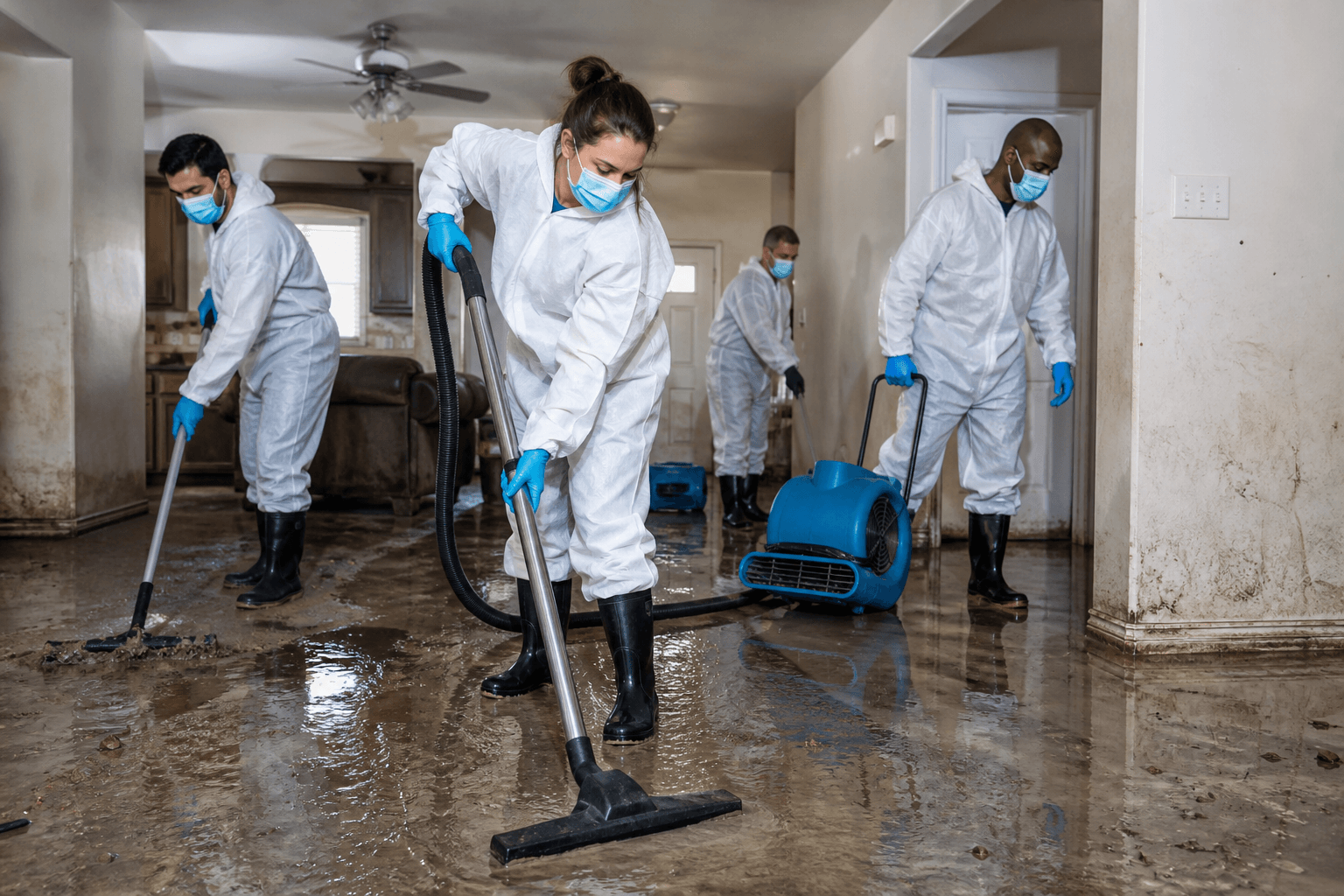
Strategy 3: Safe Cleanup After a Flood or Water Damage Emergency Cleaning Preparedness
Flood and water damage are among the most common and destructive emergencies in South Florida, often requiring immediate and careful attention. Safe cleanup after such events is paramount, not only to restore your property but also to protect the health of everyone involved. This aspect of disaster readiness demands specific knowledge and adherence to safety protocols.
Improper handling of water damage can lead to serious long-term problems, including structural damage, persistent mold growth, and compromised indoor air quality. Therefore, a methodical and safe approach is non-negotiable for effective post-disaster recovery in these situations.
Steps for Safe Flood and Water Damage Cleanup
Safely cleaning up after a flood or water damage emergency involves several critical steps. First, ensure electrical safety by shutting off power to affected areas. Wear full personal protective equipment (PPE) as outlined in your emergency cleaning kit. Remove standing water using pumps or wet/dry vacuums. Ventilate the area thoroughly by opening windows and using fans to promote air circulation.
Dry out all affected materials, including carpets, furniture, and structural elements, as quickly as possible to prevent mold growth. Clean and disinfect all hard surfaces with appropriate cleaning agents. Dispose of contaminated items properly, following local guidelines. For extensive damage, contacting a professional service is often the safest and most effective course of action for comprehensive recovery.
Health Risks of Improper Emergency Cleanup
Improper emergency cleanup, especially after water damage, poses significant health risks. Exposure to floodwaters can mean contact with harmful bacteria, viruses, and chemicals from sewage or contaminated outdoor sources. Delayed drying leads to rapid mold growth, which can cause respiratory issues, allergic reactions, skin infections, and other serious health conditions. Inhaling mold spores is particularly dangerous for individuals with asthma or compromised immune systems.
Without proper protective gear and effective cleaning techniques, individuals performing cleanup can suffer from these ailments. This highlights why understanding and implementing proper procedures, including professional intervention when necessary, is crucial for safeguarding public health during and after a disaster.
Strategy 4: The Role of Professional Emergency Cleaning Preparedness Services
While DIY efforts are valuable for initial response, many emergencies, particularly in South Florida, demand the specialized expertise and equipment of professional cleaning and restoration companies. These services are a critical component of comprehensive disaster recovery, offering solutions that go beyond what typical homeowners or businesses can achieve on their own.
Knowing when to call in the experts and what to expect from them is key to a successful recovery. Professional services ensure thorough cleanup, proper remediation, and adherence to safety standards, minimizing long-term damage and health risks. They are an invaluable resource in any robust emergency cleaning preparedness plan.
When to Hire for Emergency Cleanup and Restoration
You should hire an emergency cleaning and restoration company immediately after significant water damage, fire damage, mold discovery, or any event that poses health risks or requires specialized equipment and expertise. Early intervention minimizes secondary damage, such as mold growth after a flood, and can significantly reduce overall repair costs. Professional services are particularly vital for large-scale commercial properties or homes with extensive damage.
If you’re unsure about the extent of damage or the safety of cleanup, it’s always best to consult with professionals. Their rapid response and specialized tools are indispensable for effective restoration, ensuring a safe and thorough process. Don’t hesitate to seek expert help when the situation demands it.
What Certifications to Look for in Cleanup Providers
When selecting an emergency cleaning provider, look for companies with certifications from reputable organizations. The Institute of Inspection, Cleaning and Restoration Certification (IICRC) is the gold standard in the industry, offering certifications in areas such as Water Damage Restoration (WDR), Applied Microbial Remediation (AMRT) for mold, and Fire & Smoke Restoration (FSRT). These certifications indicate that technicians have undergone rigorous training and adhere to industry best practices.
Additionally, ensure the company is licensed, bonded, and insured. This protects you from liability and guarantees that the work meets professional standards. Choosing a certified provider is a crucial step in your disaster readiness, ensuring high-quality, safe, and effective restoration.
Choosing the Best Emergency Cleaning Service Near You
To choose the best emergency cleaning service near you in South Florida, consider several factors. Look for companies with strong local reputations, positive customer reviews, and a proven track record of successful disaster recovery. Prioritize providers with 24/7 emergency availability, as prompt response is critical. Always request detailed quotes and transparent pricing to avoid surprises.
Check for the certifications mentioned above and verify their insurance. A reputable company like JJL Cleaning Services will offer comprehensive solutions and excellent customer support. Making an informed choice ensures you receive reliable and effective assistance when you need it most.
Need Expert Emergency Cleaning Preparedness for Your Property?
JJL Cleaning Services offers rapid, reliable, and professional emergency cleaning solutions for homes and businesses across South Florida. Trust our experienced team to restore your property swiftly.
Understanding the Cost of Professional Emergency Cleanup
The cost of professional emergency cleaning services varies widely, depending on the extent of the damage, the size of the affected area, and the specific type of emergency. Water extraction, mold remediation, and fire damage restoration each have different cost structures. Factors like the need for specialized equipment (e.g., industrial dehumidifiers, air scrubbers) and the duration of the cleanup also influence the final price.
While it might seem like an upfront expense, investing in professional services can save you money in the long run by preventing secondary damage and ensuring a thorough restoration. Always obtain a detailed, itemized quote from reputable companies before committing to services.
Strategy 5: Post-Disaster Decontamination and Sanitization for Emergency Cleaning Preparedness
After the initial cleanup of debris and water, the critical phase of decontamination and sanitization begins. This step is vital for ensuring that your property is not only visibly clean but also free from harmful pathogens, mold spores, and lingering odors. Effective post-disaster decontamination is a cornerstone of comprehensive disaster recovery, especially in humid South Florida.
This process requires specialized knowledge and products to effectively neutralize biological and chemical hazards, making the environment safe for occupants. Ignoring this phase can lead to ongoing health issues and persistent property damage, underscoring its importance in overall readiness.
Advanced Techniques in Emergency Cleanup
Professional emergency cleanup utilizes advanced techniques and equipment for thorough decontamination. This includes the use of industrial-grade disinfectants, antimicrobial treatments, and specialized cleaning agents that can penetrate porous surfaces to eliminate hidden contaminants. Air scrubbers with HEPA filters are employed to remove airborne particles, mold spores, and odors, significantly improving indoor air quality.
Thermal fogging and ozone treatments may be used for stubborn odors caused by smoke or biological residues. These sophisticated methods ensure a deep clean that goes beyond surface-level aesthetics, making your property truly safe and habitable again. Such advanced approaches are integral to effective restoration.
Preventing Secondary Damage with Proactive Cleanup
A key objective of post-disaster cleaning is preventing secondary damage. This includes stopping mold growth, which can begin within 24-48 hours of water intrusion. Proper drying, dehumidification, and antimicrobial treatments are essential to inhibit mold. Additionally, corrosive residues from fire smoke can continue to damage surfaces if not promptly and thoroughly removed.
Professional cleanup ensures that all potential secondary damage sources are identified and addressed. This proactive remediation protects structural integrity, prevents further deterioration of materials, and safeguards your long-term investment in your South Florida property. It’s a critical step in a holistic recovery strategy.
Strategy 6: Maintaining Your Property for Ongoing Emergency Cleaning Preparedness
Emergency cleaning preparedness isn’t a one-time event; it’s an ongoing commitment to the safety and resilience of your property. Regular maintenance and proactive measures are crucial for minimizing vulnerabilities and ensuring that your home or business is always ready to face potential threats. This continuous effort forms the backbone of true readiness in South Florida.
By integrating preparedness into your routine property management, you can significantly reduce the impact of future emergencies. This strategy focuses on prevention and early detection, making any necessary cleanup efforts more manageable and less costly.
Regular Inspections for Enhanced Readiness
Conducting regular inspections of your property is a fundamental aspect of ongoing disaster readiness. Check roofs for loose shingles or potential leaks, inspect gutters and downspouts for blockages, and ensure proper drainage around your foundation. Examine plumbing for any signs of leaks or corrosion. Regularly test smoke detectors and carbon monoxide alarms.
For businesses, this includes inspecting critical infrastructure and ensuring emergency exits are clear. Early detection of potential issues allows for timely repairs, preventing minor problems from escalating into major emergencies that require extensive cleanup. These routine checks are vital for maintaining robust property protection.
Proactive Measures for Disaster Resilience
Beyond inspections, proactive measures significantly enhance your overall resilience. This includes trimming trees and securing outdoor items before a storm, which can prevent debris from damaging your property. Elevate valuable items off the floor in areas prone to flooding. Consider installing backflow valves on sewer lines to prevent sewage backups.
For businesses, this might involve securing sensitive documents off-site or in waterproof containers, and regularly backing up digital data. Investing in flood barriers or hurricane-resistant windows can also provide substantial protection. These proactive steps are integral to building a resilient property and strengthening your overall ability to respond to crises.
Strategy 7: Community Resources and Support for Emergency Cleaning Preparedness
No individual or business in South Florida has to face disaster alone. A crucial, often overlooked, aspect of comprehensive disaster readiness involves understanding and leveraging community resources and support networks. Local agencies, non-profit organizations, and neighborhood initiatives play a vital role in collective resilience and recovery efforts.
Connecting with these resources can provide invaluable information, assistance, and a sense of shared responsibility during challenging times. This collaborative approach strengthens overall community preparedness for the entire region.
Local Agencies and Cleanup Support
Local government agencies, such as county emergency management divisions and city public works departments, are key sources of information and support for cleanup efforts. They often provide guidelines, evacuation routes, and updates during crises. Organizations like the American Red Cross offer shelters and immediate assistance. Understanding the roles of these agencies and how to access their services is a vital part of your preparedness plan.
Many local authorities in South Florida also offer specific programs or resources related to hurricane preparedness and post-storm recovery, which directly impact your ability to clean up effectively. Stay informed through official channels to ensure you have the most accurate and timely information.
Building a Resilient South Florida with Collective Readiness
Building a resilient South Florida requires a collective effort, where individual property readiness contributes to the strength of the entire community. By taking steps to protect your own property, you not only safeguard your investment but also reduce the burden on public resources during widespread emergencies. Sharing knowledge and resources with neighbors and local businesses fosters a stronger, more prepared region.
Participating in community preparedness initiatives and supporting local services helps create a network of support that can respond more effectively to future challenges. This collaborative spirit is essential for ensuring that South Florida remains a vibrant and safe place to live and work, even in the face of adversity, thanks to robust collective readiness.
What is emergency cleaning preparedness and why is it important?
Emergency cleaning preparedness involves proactive planning and having the necessary resources ready to respond to unexpected events like floods, fires, or mold outbreaks. It’s crucial for minimizing damage, safeguarding health, and ensuring a swift, efficient recovery of your property or business operations.
How do you create an effective emergency cleaning kit?
An effective emergency cleaning kit should include personal protective equipment (PPE) like N95 masks, gloves, and eye protection, along with essential cleaning supplies such as buckets, mops, heavy-duty trash bags, disinfectants, sponges, and air movers or fans for drying.
What are the essential supplies for post-disaster cleanup?
Essential supplies for post-disaster cleanup include strong disinfectants, heavy-duty cleaning agents, industrial-strength dehumidifiers, air scrubbers, wet/dry vacuums, brushes, scrubbers, and demolition tools for removing damaged materials. Appropriate PPE is also critical.
Who provides professional emergency cleaning services for homes or businesses?
Professional emergency cleaning services are provided by specialized companies like JJL Cleaning Services, which offer comprehensive cleanup and restoration solutions for both residential and commercial properties facing disaster-related damage. They have the expertise and equipment for safe and effective recovery.
How to safely clean up after a flood or water damage emergency?
Safely cleaning up after a flood or water damage emergency involves first ensuring electrical safety and wearing full PPE. Remove standing water, ventilate the area, dry out all affected materials, clean and disinfect all surfaces to prevent mold growth, and dispose of contaminated items properly.
Where can I find a comprehensive checklist for emergency cleaning preparedness?
Comprehensive checklists for emergency cleaning preparedness can often be found on government disaster preparedness websites (like FEMA), local emergency management agency sites, or reputable professional cleaning and restoration company blogs, including JJL Cleaning Services’ resources.
What are the health risks associated with improper emergency cleanup?
Improper emergency cleanup can lead to significant health risks, including exposure to harmful bacteria, viruses, mold spores, and chemicals. This can cause respiratory issues, skin infections, allergic reactions, and other serious health conditions if not handled with proper protective measures and effective cleaning techniques.
When should I hire an emergency cleaning and restoration company?
You should hire an emergency cleaning and restoration company immediately after significant water damage, fire damage, mold discovery, or any event that poses health risks or requires specialized equipment and expertise beyond typical household cleaning. Early intervention minimizes secondary damage.
How much does professional emergency cleaning service typically cost?
The cost of professional emergency cleaning services varies widely depending on the extent of the damage, the size of the affected area, the type of emergency (e.g., flood, fire, mold), and the specific services required (e.g., water extraction, mold remediation). It’s best to get a detailed quote.
What certifications or qualifications should an emergency cleaning provider have?
An emergency cleaning provider should have certifications from reputable organizations like the Institute of Inspection, Cleaning and Restoration Certification (IICRC) for areas such as Water Damage Restoration (WDR) and Applied Microbial Remediation (AMRT). They should also be licensed and insured.
Where can I buy emergency cleaning supplies in bulk?
Emergency cleaning supplies can be bought in bulk from commercial cleaning supply distributors, large home improvement stores, industrial safety equipment suppliers, or online wholesale retailers specializing in disaster preparedness or janitorial products.
What steps are involved in developing an emergency cleaning action plan?
Developing an emergency cleaning action plan involves assessing potential risks, identifying key personnel, outlining communication protocols, creating a detailed supply list, establishing clear cleanup procedures, and regularly reviewing and updating the plan.
How do I choose the best emergency cleaning service near me?
To choose the best emergency cleaning service near you, look for companies with strong local reputations, positive customer reviews, relevant certifications (e.g., IICRC), comprehensive insurance, 24/7 availability, and transparent pricing. Always request references and detailed quotes.
What protective gear is necessary for safely performing emergency cleanup?
Necessary protective gear for safely performing emergency cleanup includes N95 respirators or higher-grade masks, chemical-resistant gloves, eye protection (goggles), waterproof boots, disposable coveralls or protective suits, and hard hats in environments with falling debris.
Why is pre-planning for emergency cleaning beneficial for businesses?
Pre-planning for emergency cleaning is highly beneficial for businesses as it minimizes downtime, reduces financial losses, protects assets, ensures employee and customer safety, helps maintain business continuity, and facilitates a quicker return to normal operations after a disaster.
Conclusion: Your Ultimate Guide to Emergency Cleaning Preparedness
In South Florida, where the beauty of our environment comes with its own set of challenges, robust emergency cleaning preparedness is not merely an option—it’s a necessity. From assembling your essential cleaning kit to developing a detailed action plan, and understanding when to engage professional services, each strategy plays a pivotal role in protecting your property and ensuring a swift recovery.
By embracing these seven ultimate strategies, homeowners and businesses can significantly mitigate the impact of unforeseen disasters. Proactive planning, continuous maintenance, and leveraging community support are the cornerstones of resilience. With thorough disaster readiness, you can face any challenge with confidence, safeguarding your investment and peace of mind for years to come.

