
Hard Water Window Stains: 4 Ultimate Secrets for Crystal Clear South Florida Glass
Hard Water Window Stains are a persistent challenge for homeowners and businesses across South Florida. The relentless sun, coupled with our region’s naturally hard water, often leaves behind unsightly mineral deposits that can obscure views and diminish curb appeal. These stubborn spots, primarily composed of calcium and magnesium, etch themselves onto glass surfaces, making them notoriously difficult to remove with standard cleaning methods. This comprehensive guide from JJL Cleaning Services reveals the ultimate strategies to not only eliminate existing hard water deposits but also to prevent their return, ensuring your windows remain brilliantly clear. We will delve into the science behind these stains, explore effective removal techniques, and share professional insights tailored to the unique conditions of South Florida. Discover how to achieve truly spotless glass, transforming your home or business with sparkling clarity.
Key Takeaways for Tackling Hard Water Stains
- Understand the primary causes of mineral buildup on glass, especially in hard water regions like South Florida.
- Learn effective, multi-step methods for removing even the most stubborn hard water window stains.
- Discover professional-grade products and techniques that go beyond typical household cleaners to restore glass clarity.
- Implement preventative measures to protect your windows from future hard water damage and maintain their pristine condition.
Understanding Hard Water Window Stains: What They Are and Why They Form
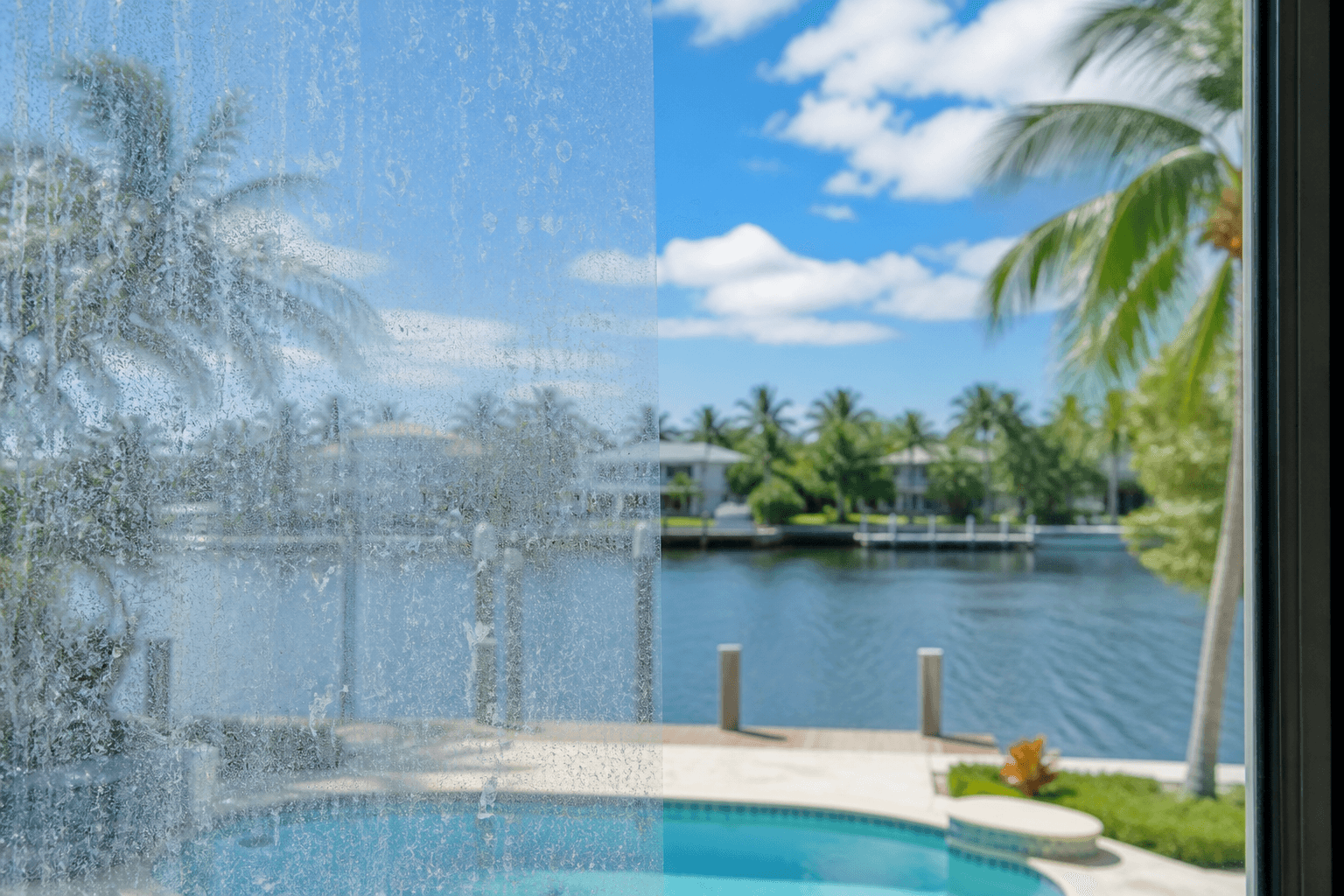
To effectively combat hard water window stains, it’s crucial to understand their nature. These unsightly blemishes are not merely dirt; they are mineral deposits left behind when water evaporates from glass surfaces. Hard water, prevalent in many areas, including much of South Florida, contains elevated levels of dissolved minerals such as calcium, magnesium, and sometimes iron. When this water dries, these minerals are left behind, forming a cloudy, white, or sometimes reddish-brown residue that adheres stubbornly to the glass. This is the fundamental reason why hard water stains appear on your windows.
The primary culprits for these stains are often sprinkler systems, rain, or even tap water used for cleaning that isn’t properly dried. In South Florida, the intense sun bakes these minerals onto the glass, making them even more challenging to remove over time. The longer these mineral deposits remain, the more they can etch into the glass, potentially causing permanent damage. This etching can make the glass appear hazy even after cleaning, highlighting the importance of timely and effective intervention. Understanding this process is the first step in achieving crystal clear windows.
Why South Florida Windows Are Prone to Hard Water Stains
South Florida’s unique environment contributes significantly to the prevalence of hard water window stains. Our municipal water sources often have a high mineral content, and many homes rely on well water, which can be even harder. Additionally, the frequent use of irrigation systems, often spraying windows with mineral-rich water, combined with the intense heat and humidity, creates ideal conditions for rapid water evaporation and mineral deposition. This constant exposure means that preventing and treating hard water stains is an ongoing battle for property owners in the region.
The Difference Between Hard Water Stains and Mineral Deposits on Windows
While often used interchangeably, “hard water stains” and “mineral deposits on windows” refer to the same phenomenon. “Hard water” describes water with a high concentration of dissolved minerals like calcium and magnesium. When this water dries on glass, it leaves behind these “mineral deposits,” which are then commonly referred to as “hard water stains.” There is no functional difference between the two terms when discussing window cleaning. The key is recognizing the mineral composition that makes these stains so challenging to remove.
Are Hard Water Stains Permanent on Window Glass if Left Untreated?
If left untreated for extended periods, hard water window stains can indeed become permanent. The minerals, especially if acidic or abrasive contaminants are present, can slowly corrode the glass surface, leading to etching. This etching creates microscopic pits and rough spots on the glass, making it appear hazy or cloudy even after thorough cleaning. Timely removal is crucial to prevent irreversible damage and maintain the clarity and integrity of your windows. Professional intervention can often mitigate severe etching, but prevention is always the best strategy. The U.S. Geological Survey provides more information on water hardness and its effects.
Tired of Hard Water Window Stains? Contact JJL Cleaning Services Today!
JJL Cleaning Services provides unparalleled expertise in tackling even the most stubborn hard water deposits, ensuring your South Florida windows sparkle. Our licensed and insured professionals deliver superior results with efficiency and precision.
Secret 1: The Power of Acidic Solutions for Hard Water Stains
The most effective way to remove hard water window stains is to use acidic cleaners. The minerals that form these stains are alkaline, meaning acids can dissolve and break them down. This principle forms the basis of many successful hard water removal strategies. However, it’s essential to use the right acid and apply it correctly to avoid damaging your glass or surrounding surfaces. Understanding the varying strengths of acidic solutions is key to tackling different levels of mineral buildup.
Can Vinegar Successfully Remove Hard Water Stains from Glass?
Yes, distilled white vinegar can successfully remove many hard water window stains from glass, especially for light to moderate buildup. Its mild acidity (acetic acid) is effective at dissolving calcium and magnesium deposits. For best results, mix equal parts white vinegar and water in a spray bottle. Spray the solution generously onto the stained area, ensuring the glass is thoroughly saturated. Let it sit for several minutes to an hour, depending on the severity of the stain. Then, scrub with a soft brush, non-abrasive pad, or microfiber cloth before rinsing thoroughly with clean water and squeegeeing dry for a streak-free finish.
What is the Best Product for Removing Hard Water Window Stains?
The “best” product for removing hard water window stains often depends on the severity and age of the deposits. For light stains, white vinegar is an excellent natural and cost-effective option. For moderate to severe buildup, commercial hard water removers are highly effective. These products often contain stronger acids like phosphoric, hydrochloric, or oxalic acid. Brands like Bio-Clean, CLR (Calcium, Lime, Rust Remover), or specific window cleaning supply companies offer formulations designed for glass surfaces. Always choose products specifically designed for glass to avoid etching or damage, and follow the manufacturer’s instructions carefully. Test on an inconspicuous area first.
Are There Natural or Home Remedies for Cleaning Hard Water Window Stains?
Beyond vinegar, several other natural or home remedies can be effective for cleaning hard water window stains. Lemon juice, which contains citric acid, can be used similarly to vinegar for mild stains. A paste made from baking soda and a small amount of vinegar or water can also be applied to stubborn spots. Allow the paste to sit for a while before gently scrubbing and rinsing. While these remedies can work for minor issues, they may not be strong enough for heavily etched or long-standing mineral deposits. Always exercise caution and test any new remedy on a small, hidden area of the glass.
Secret 2: Advanced Techniques for Stubborn Hard Water Window Stains
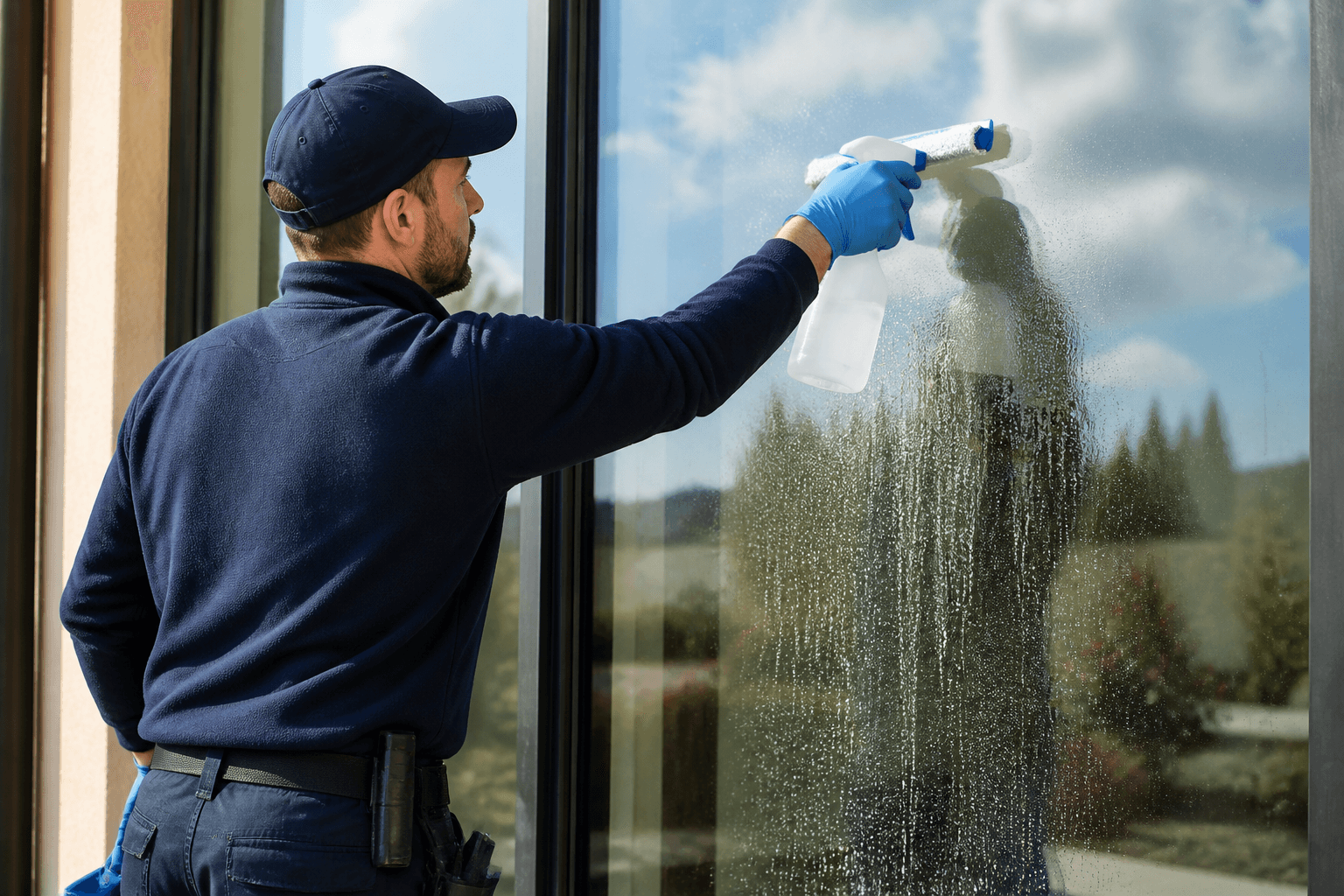
When household remedies fall short, more advanced techniques are required to tackle stubborn hard water window stains. These methods often involve stronger chemicals or specialized tools designed to safely abrade the mineral deposits without harming the glass. It’s crucial to approach these techniques with care and the right protective gear to ensure both effectiveness and safety.
How to Remove Old, Set-In Hard Water Stains from Window Glass?
Removing old, set-in hard water window stains from window glass often requires a multi-pronged approach. Start with a commercial-grade hard water stain remover, allowing it to dwell on the glass for the recommended time. For enhanced effectiveness, you may need to apply the solution with a non-abrasive pad or very fine steel wool (0000 grade). Gently scrub in small circular motions, ensuring constant lubrication with the cleaning solution. Rinse thoroughly and squeegee. Repeated applications may be necessary. In severe cases where etching has occurred, professional restoration with polishing compounds may be the only way to fully restore clarity.
What Causes Stubborn Hard Water Spots on Exterior Windows?
Stubborn hard water window stains on exterior windows are typically caused by prolonged and repeated exposure to mineral-rich water that dries on the glass. This is often exacerbated by direct sunlight, which bakes the minerals onto the surface, making them incredibly difficult to dislodge. Common causes include consistent sprinkler overspray, rain mixed with environmental pollutants, and inadequate drying after exterior washing. The combination of mineral content, heat, and time allows these deposits to bond strongly with the glass, leading to deeply ingrained stains.
Where Can I Buy Specialized Hard Water Stain Remover for Windows?
Specialized hard water window stains removers can be purchased at a variety of locations. Most hardware stores and home improvement centers (like Home Depot or Lowe’s) carry a selection of commercial cleaning products, including those for hard water. Automotive supply stores may also offer products suitable for glass, often marketed for car windows. Additionally, online retailers such as Amazon or specialized window cleaning supply websites provide a wide range of professional-grade solutions. Always read reviews and product descriptions to ensure the remover is safe for glass and effective for your specific needs.
For more insights into maintaining pristine glass, explore our guide on residential window cleaning tips.
Secret 3: Preventing Future Hard Water Window Stains in South Florida
The best defense against hard water window stains is a proactive prevention strategy. Once you’ve restored your windows to their crystal-clear glory, implementing measures to stop new deposits from forming is paramount, especially in a region like South Florida where hard water is a constant factor. Prevention saves time, effort, and the potential cost of professional restoration down the line.
How to Prevent Hard Water Spots from Forming on Windows?
Preventing hard water window stains involves minimizing contact with mineral-rich water and ensuring quick, complete drying. Here are key strategies:
- Adjust Sprinklers: Reposition sprinkler heads to ensure they do not spray directly onto windows.
- Use Softened Water: If possible, use softened or de-ionized water for exterior window cleaning.
- Immediate Drying: After any water exposure (rain, cleaning), immediately squeegee or wipe windows dry with a clean microfiber cloth.
- Protective Coatings: Apply a professional-grade hydrophobic coating to your windows. These coatings repel water, causing it to bead up and roll off, taking minerals with it.
- Regular Maintenance: Implement a consistent cleaning schedule to remove any nascent mineral deposits before they can harden and etch.
By combining these methods, you can significantly reduce the likelihood of hard water spots forming.
What is the Easiest Method to Clean Hard Water Stains Off Windows?
The easiest method to clean hard water window stains for mild cases involves a simple vinegar solution. Spray a 50/50 mixture of distilled white vinegar and water onto the window. Let it sit for 5-10 minutes to allow the acid to begin dissolving the minerals. Then, wipe the window clean with a microfiber cloth and immediately squeegee dry. This method is quick and effective for fresh, light stains. For more entrenched stains, however, “easiest” may not equate to “most effective,” and more rigorous techniques or products will be required.
What Causes Stubborn Hard Water Spots on Exterior Windows?
Stubborn hard water window stains on exterior windows are typically caused by prolonged exposure to mineral-rich water that repeatedly dries on the glass, often exacerbated by sun exposure which bakes the minerals onto the surface. Common culprits include consistent sprinkler overspray, rain mixed with pollutants, and inadequate drying after exterior washing. The continuous cycle of wetting and drying in direct sunlight allows mineral layers to build up and bond strongly with the glass, making them incredibly difficult to remove without specialized treatment.
Secret 4: When to Call the Professionals for Hard Water Stains
While many DIY methods can address minor hard water window stains, there comes a point when professional intervention is not just convenient, but necessary. This is especially true in South Florida, where the combination of intense sun and hard water can lead to severe and deeply etched mineral deposits that are beyond the scope of typical home cleaning. Recognizing when to seek expert help can save you time, frustration, and potentially prevent irreversible damage to your windows.
How Much Does Professional Hard Water Stain Removal for Windows Cost?
The cost of professional hard water window stains removal varies significantly based on several factors. These include the severity of the stains (light, moderate, or heavily etched), the number and size of the windows needing treatment, their accessibility, and the specific methods and products the cleaning company employs. For minor spots, it might be a few dollars per pane, but for heavily etched or numerous windows requiring specialized treatments like polishing compounds, the cost can be substantially higher. It’s always best to get a personalized quote from a reputable service like JJL Cleaning Services to understand the exact investment for your property.
Who Provides Hard Water Window Stain Removal Services Near Me?
Many professional cleaning companies, particularly window cleaning specialists and general exterior cleaning services, offer hard water window stains removal. In the Boca Raton and broader South Florida area, JJL Cleaning Services is a highly reputable provider known for expertly restoring crystal clear windows. When searching for a service, look for companies with strong reviews, proper licensing and insurance, and a proven track record in tackling stubborn mineral deposits. A professional service will have the specialized tools, chemicals, and expertise to safely and effectively remove even the most challenging stains without damaging your glass.
Your Invitation to Lasting Clarity
Tackling hard water window stains in South Florida can feel like a never-ending battle, but with the right knowledge and techniques, crystal clear glass is an achievable reality. From understanding the mineral science behind these stubborn spots to employing powerful acidic solutions and implementing preventative measures, you now have the ultimate secrets to restore and maintain the brilliance of your windows. Remember, timely action and consistent care are your best allies against mineral buildup. If the stains are too severe, or if you simply prefer the convenience and guaranteed results of expert care, professional window cleaning services are an invaluable resource. JJL Cleaning Services stands ready to transform your views, ensuring your South Florida home or business always shines with unparalleled clarity. Contact JJL Cleaning Services today to reclaim your crystal-clear windows.
Frequently Asked Questions About Hard Water Window Stains
What are hard water window stains?
Hard water window stains are mineral deposits left behind when water evaporates on glass surfaces. These stains typically consist of calcium, magnesium, and other dissolved minerals common in hard water, creating an unsightly cloudy or white residue. In South Florida, the high mineral content in tap and sprinkler water makes these stains particularly common and stubborn on windows.
How to remove hard water stains from windows effectively?
Effective removal of hard water window stains often involves acidic cleaners. Solutions like distilled white vinegar, specialized commercial hard water removers, or even mild acids like citric acid can break down mineral deposits. For stubborn stains, a non-abrasive scrubber or fine steel wool (0000 grade) with the cleaning solution may be necessary, followed by a thorough rinse and squeegee for a streak-free finish.
Why do hard water stains appear on my windows?
Hard water stains appear on windows primarily due to water evaporation. When water, especially hard water containing high levels of dissolved minerals, dries on glass, it leaves behind these mineral residues. Common culprits include sprinkler overspray, rain, car washing, or even tap water used for window cleaning, especially in areas like Boca Raton with mineral-rich water sources.
What is the best product for removing hard water window stains?
The “best” product for removing hard water window stains often depends on the severity. For light stains, white vinegar is an excellent natural option. For moderate to severe buildup, commercial hard water removers containing phosphoric, hydrochloric, or oxalic acids are highly effective. Always choose products specifically designed for glass to avoid etching or damage.
Can vinegar successfully remove hard water stains from glass?
Yes, distilled white vinegar can successfully remove many hard water stains from glass. Its mild acidity helps dissolve calcium and magnesium deposits. For best results, apply undiluted vinegar to the stained area, let it sit for several minutes to an hour (depending on stain severity), then scrub with a soft brush or cloth before rinsing and drying.
How to prevent hard water spots from forming on windows?
Preventing hard water spots involves minimizing contact with hard water and ensuring quick drying. Strategies include installing water softeners, adjusting sprinkler systems to avoid windows, rinsing windows with de-ionized or distilled water after cleaning, and immediately squeegeeing or wiping glass dry after it gets wet. Professional protective coatings can also repel water and minerals.
Are hard water stains permanent on window glass if left untreated?
If left untreated for extended periods, hard water stains can potentially etch or permanently damage window glass. The minerals, particularly if acidic or abrasive contaminants are present, can slowly corrode the glass surface, making it appear hazy even after cleaning. Timely removal is crucial to prevent irreversible damage and maintain window clarity.
Where can I buy specialized hard water stain remover for windows?
Specialized hard water stain removers for windows can be purchased at most hardware stores, home improvement centers, automotive supply stores (for car windows), and online retailers. Brands like Bio-Clean, CLR, or specific window cleaning supply companies offer various formulations designed for glass surfaces.
What causes stubborn hard water spots on exterior windows?
Stubborn hard water spots on exterior windows are typically caused by prolonged exposure to mineral-rich water that repeatedly dries on the glass, often exacerbated by sun exposure which bakes the minerals onto the surface. Common culprits include consistent sprinkler overspray, rain mixed with pollutants, and inadequate drying after exterior washing.
How much does professional hard water stain removal for windows cost?
The cost of professional hard water stain removal for windows varies depending on the severity of the stains, the number and size of windows, accessibility, and the specific services offered by the cleaning company. It can range from a few dollars per pane for minor spots to significantly more for heavily etched or numerous windows requiring specialized treatments. Contact JJL Cleaning Services for a personalized quote.
Who provides hard water window stain removal services near me?
Many professional cleaning companies, including window cleaning specialists and general cleaning services, offer hard water window stain removal. In the Boca Raton and broader South Florida area, JJL Cleaning Services is a reputable provider known for expertly restoring crystal clear windows.
Are there natural or home remedies for cleaning hard water window stains?
Yes, several natural and home remedies can be effective for cleaning hard water window stains. Distilled white vinegar is the most common and effective, often mixed with equal parts water. Lemon juice, which contains citric acid, can also work. For tougher spots, a paste of baking soda and vinegar can be applied, though always test on an inconspicuous area first.
What is the easiest method to clean hard water stains off windows?
The easiest method to clean hard water stains off windows for mild cases involves spraying a 50/50 white vinegar and water solution, letting it sit for a few minutes, then wiping clean with a microfiber cloth and squeegeeing dry. For more entrenched stains, repeated applications or a stronger commercial product may be required, though this increases effort.
How to remove old, set-in hard water stains from window glass?
Removing old, set-in hard water stains from window glass often requires more aggressive treatment. This may involve using specialized acidic hard water removers, often applied with a non-abrasive pad or 0000 grade steel wool, and allowing extended dwell times. In severe cases, professional restoration with polishing compounds may be necessary to remove etching.
What is the difference between hard water stains and mineral deposits on windows?
“Hard water stains” and “mineral deposits on windows” are largely interchangeable terms, referring to the same phenomenon. Hard water is simply water with a high concentration of dissolved minerals. When this water evaporates, it leaves behind these “mineral deposits,” which are then commonly called “hard water stains” on the glass surface.
What are hard water window stains?
Hard water window stains are mineral deposits left behind when water evaporates on glass surfaces. These stains typically consist of calcium, magnesium, and other dissolved minerals common in hard water, creating an unsightly cloudy or white residue. In South Florida, the high mineral content in tap and sprinkler water makes these stains particularly common and stubborn on windows.
How to remove hard water stains from windows effectively?
Effective removal of hard water window stains often involves acidic cleaners. Solutions like distilled white vinegar, specialized commercial hard water removers, or even mild acids like citric acid can break down mineral deposits. For stubborn stains, a non-abrasive scrubber or fine steel wool (0000 grade) with the cleaning solution may be necessary, followed by a thorough rinse and squeegee for a streak-free finish.
Why do hard water stains appear on my windows?
Hard water stains appear on windows primarily due to water evaporation. When water, especially hard water containing high levels of dissolved minerals, dries on glass, it leaves behind these mineral residues. Common culprits include sprinkler overspray, rain, car washing, or even tap water used for window cleaning, especially in areas like Boca Raton with mineral-rich water sources.
What is the best product for removing hard water window stains?
The “best” product for removing hard water window stains often depends on the severity. For light stains, white vinegar is an excellent natural option. For moderate to severe buildup, commercial hard water removers containing phosphoric, hydrochloric, or oxalic acids are highly effective. Always choose products specifically designed for glass to avoid etching or damage.
Can vinegar successfully remove hard water stains from glass?
Yes, distilled white vinegar can successfully remove many hard water stains from glass. Its mild acidity helps dissolve calcium and magnesium deposits. For best results, apply undiluted vinegar to the stained area, let it sit for several minutes to an hour (depending on stain severity), then scrub with a soft brush or cloth before rinsing and drying.
How to prevent hard water spots from forming on windows?
Preventing hard water spots involves minimizing contact with hard water and ensuring quick drying. Strategies include installing water softeners, adjusting sprinkler systems to avoid windows, rinsing windows with de-ionized or distilled water after cleaning, and immediately squeegeeing or wiping glass dry after it gets wet. Professional protective coatings can also repel water and minerals.
Are hard water stains permanent on window glass if left untreated?
If left untreated for extended periods, hard water stains can potentially etch or permanently damage window glass. The minerals, particularly if acidic or abrasive contaminants are present, can slowly corrode the glass surface, making it appear hazy even after cleaning. Timely removal is crucial to prevent irreversible damage and maintain window clarity.
Where can I buy specialized hard water stain remover for windows?
Specialized hard water stain removers for windows can be purchased at most hardware stores, home improvement centers, automotive supply stores (for car windows), and online retailers. Brands like Bio-Clean, CLR, or specific window cleaning supply companies offer various formulations designed for glass surfaces.
What causes stubborn hard water spots on exterior windows?
Stubborn hard water spots on exterior windows are typically caused by prolonged exposure to mineral-rich water that repeatedly dries on the glass, often exacerbated by sun exposure which bakes the minerals onto the surface. Common culprits include consistent sprinkler overspray, rain mixed with pollutants, and inadequate drying after exterior washing.
How much does professional hard water stain removal for windows cost?
The cost of professional hard water stain removal for windows varies depending on the severity of the stains, the number and size of windows, accessibility, and the specific services offered by the cleaning company. It can range from a few dollars per pane for minor spots to significantly more for heavily etched or numerous windows requiring specialized treatments. Contact JJL Cleaning Services for a personalized quote.
Who provides hard water window stain removal services near me?
Many professional cleaning companies, including window cleaning specialists and general cleaning services, offer hard water window stain removal. In the Boca Raton and broader South Florida area, JJL Cleaning Services is a reputable provider known for expertly restoring crystal clear windows.
Are there natural or home remedies for cleaning hard water window stains?
Yes, several natural and home remedies can be effective for cleaning hard water window stains. Distilled white vinegar is the most common and effective, often mixed with equal parts water. Lemon juice, which contains citric acid, can also work. For tougher spots, a paste of baking soda and vinegar can be applied, though always test on an inconspicuous area first.
What is the easiest method to clean hard water stains off windows?
The easiest method to clean hard water stains off windows for mild cases involves spraying a 50/50 white vinegar and water solution, letting it sit for a few minutes, then wiping clean with a microfiber cloth and squeegeeing dry. For more entrenched stains, repeated applications or a stronger commercial product may be required, though this increases effort.
How to remove old, set-in hard water stains from window glass?
Removing old, set-in hard water stains from window glass often requires more aggressive treatment. This may involve using specialized acidic hard water removers, often applied with a non-abrasive pad or 0000 grade steel wool, and allowing extended dwell times. In severe cases, professional restoration with polishing compounds may be necessary to remove etching.
What is the difference between hard water stains and mineral deposits on windows?
“Hard water stains” and “mineral deposits on windows” are largely interchangeable terms, referring to the same phenomenon. Hard water is simply water with a high concentration of dissolved minerals like calcium and magnesium. When this water evaporates, it leaves behind these “mineral deposits,” which are then commonly called “hard water stains” on the glass surface.

