
power washing myths: 7 Essential Secrets to Avoid Costly Damage
The world of exterior home maintenance is rife with misconceptions, and among the most prevalent are the many power washing myths that circulate. These dangerous lies about exterior cleaning can lead homeowners down a path of costly damage, ineffective results, or even personal injury. Understanding the truth behind these common misconceptions is not just about achieving a cleaner home; it’s about protecting your property’s integrity and ensuring its longevity.
This comprehensive guide will meticulously debunk the most dangerous lies, providing you with the essential secrets to a safe, effective, and truly transformative deep clean for your property.
In this article, we will cut through the misinformation, offering clear, authoritative insights into best practices for exterior cleaning. You will learn how to identify common pitfalls and understand why professional expertise is invaluable. Our goal is to empower you with knowledge, ensuring your home receives the meticulous care it deserves without falling victim to damaging practices.
Key Takeaways
- Understand why common power washing myths can lead to severe property damage and how to avoid these costly mistakes.
- Learn the critical difference between high-pressure washing and safer soft washing techniques, tailored for various delicate and durable surfaces.
- Discover the essential role of professional expertise, specialized equipment, and appropriate detergents in achieving superior, damage-free cleaning results.
- Evaluate the true costs and benefits of professional exterior cleaning versus the significant risks of DIY attempts, debunking common power washing myths about ease and affordability.
- Gain insights into optimal cleaning frequencies and the specific precautions professionals take to protect your home and landscaping.
Debunking Major Power Washing Myths for Your Home
Many homeowners approach exterior cleaning with good intentions but often fall prey to widespread power washing myths. These misconceptions frequently stem from a fundamental lack of understanding regarding the equipment, the diverse surfaces being cleaned, and the underlying science behind effective dirt and grime removal. It is absolutely crucial to separate fact from fiction to ensure your home receives the precise care it deserves without incurring any unnecessary or costly damage.
What are the biggest power washing myths surrounding residential cleaning?
One of the biggest power washing myths is the belief that higher pressure always equates to a better, faster, and more thorough clean. This is a dangerously simplistic view that can lead to severe consequences. While high pressure can indeed strip away stubborn grime from exceptionally durable surfaces like concrete driveways, it simultaneously poses an immense risk to more delicate materials.
Think of vinyl siding, stucco, wooden decks, and especially roofing materials; these surfaces are highly susceptible to irreversible damage from excessive force.
This “more power is always better” mindset is a primary driver of property damage seen in residential settings. Homeowners, often without realizing the potential harm, can inadvertently etch surfaces, strip paint, or even compromise structural integrity. The allure of a quick clean often overshadows the need for a nuanced approach, perpetuating this harmful misconception.
Another pervasive misconception suggests that power washing is a simple, straightforward DIY task that requires no special skill or training. Many homeowners confidently rent a machine from a local store, point the wand, and spray, completely unaware of the specific techniques, appropriate nozzle types, and specialized cleaning solutions that are truly required for different surfaces. This casual, uninformed approach frequently results in uneven cleaning patterns, unsightly streaks, and, most critically, significant structural harm to the home’s exterior.
A third common misconception is that power washing serves as a universal, one-size-fits-all solution for every exterior cleaning need imaginable. People often mistakenly believe it can safely and effectively clean anything from delicate painted surfaces to intricate landscaping elements without any adverse effects. However, the reality is that different contaminants and varied surfaces demand distinct cleaning approaches. A blanket application of high-pressure water can be profoundly detrimental, causing more harm than good.
Understanding these misconceptions is the first step toward truly effective and responsible home care. For tailored solutions and expert advice, consider consulting with JJL Cleaning Services.
For instance, using the wrong pressure or technique on an asphalt shingle roof can dislodge the protective granules that shield it from UV rays and weather, prematurely aging the roof and potentially voiding its warranty. Similarly, blasting a wooden deck with excessive force can cause the wood fibers to splinter, creating a rough, uneven surface that is prone to further damage and decay.
These are just a few poignant examples of how widely believed misconceptions can lead to incredibly costly and avoidable repairs, highlighting the danger of ignoring expert advice.

The Truth About Pressure and Damage: Power Washing Myths Uncovered
The widespread idea that power washing is inherently damaging is another one of the common power washing myths, but the underlying truth is far more nuanced and complex. It is not the powerful tool itself that is intrinsically dangerous; rather, it is its improper, uninformed, or careless use that poses significant risks. When a pressure washer is wielded without the requisite knowledge, precision, or understanding of surface vulnerabilities, it can indeed cause substantial and lasting harm to your property.
Conversely, in the hands of a seasoned professional, it transforms into an incredibly effective and safe cleaning instrument, capable of restoring surfaces beautifully.
Can power washing actually damage my home’s siding or roof, debunking common power washing myths?
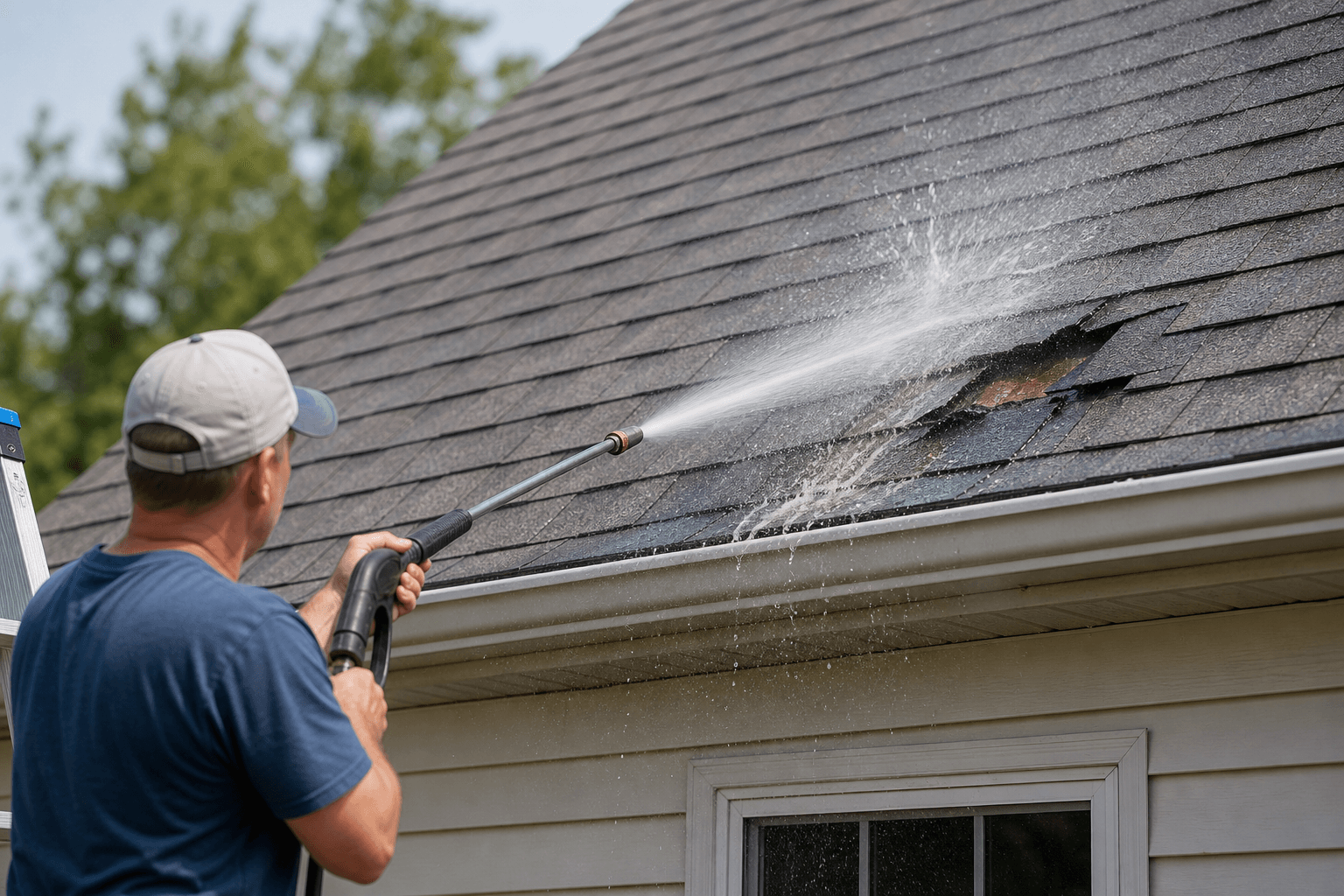
Absolutely, power washing can severely damage your home’s siding or roof if not performed with the utmost care and correctness. This particular aspect is one of the most critical power washing myths that homeowners must fully comprehend. For siding, whether it’s vinyl, aluminum, or wood, excessive pressure can strip away paint, permanently etch the surface, or, even more insidiously, force water behind the panels.
This infiltration can lead to insidious mold growth within the wall cavities, causing structural damage and health hazards that are often unseen until it’s too late.
When it comes to roofs, particularly those covered with asphalt shingles, the risks are even greater. High-pressure streams can blast away the protective granules that are vital for shielding the shingles from harsh UV radiation and weathering elements. This premature erosion significantly shortens the roof’s lifespan and can immediately void its manufacturer’s warranty, leading to expensive replacements. Concrete tiles or clay roofs can also suffer chips or cracks from improper pressure.
The key to preventing such damage lies in understanding and applying the appropriate pressure settings, nozzle types, and cleaning methods specifically tailored for each distinct material. A professional service, for example, inherently knows that a roof should almost never be cleaned with high pressure. Instead, they employ a gentle “soft wash” technique, which we will discuss in detail shortly. This method safely removes algae, moss, and grime without inflicting any harm.
Ignoring these crucial distinctions and techniques perpetuates dangerous misconceptions, putting your most valuable asset at risk.
Is it a myth that high pressure is always better for power washing?
Yes, it is unequivocally a significant power washing myth that high pressure is always superior for cleaning. This deeply ingrained belief is perhaps the most perilous of all the misconceptions surrounding exterior cleaning. For a vast majority of residential surfaces, especially those that are delicate or prone to damage, high pressure is not only counterproductive but actively destructive.
Materials such as stucco, painted wood, and even certain types of softer brick can be permanently scarred, etched, or degraded by an overly aggressive water stream, leading to irreversible aesthetic and structural harm.
The fundamental objective of exterior cleaning is to meticulously remove contaminants, not to strip away or damage the surface material itself. True professionals understand that the judicious application of the right cleaning solution, combined with precisely calibrated low pressure, is far more effective, safer, and yields longer-lasting results than simply blasting everything with maximum force. This careful, scientific approach directly contradicts the pervasive “high pressure is always better” misconception, advocating for intelligence over brute force.
What surfaces should never be power washed, debunking the ‘clean anything’ power washing myth?
Debunking the ‘clean anything’ power washing myth is absolutely crucial for comprehensive property protection. There is a definitive list of surfaces that should never, under any circumstances, be subjected to high-pressure washing due to their inherent fragility or susceptibility to damage. These include:
- Asphalt Shingles: As previously mentioned, high pressure irrevocably removes their protective granules, compromising integrity.
- Old, Deteriorated Mortar or Loose Bricks: High pressure can easily dislodge bricks, erode mortar joints, and cause significant structural damage to walls.
- Painted Surfaces with Peeling or Chipping Paint: Power washing will aggressively strip more paint, further damaging the underlying material and creating a much larger, more expensive repair job.
- Soft Woods (e.g., cedar, redwood, pine): These woods are particularly vulnerable to splintering, gouging, and etching from high-pressure water, leading to an unsightly and damaged appearance.
- Windows: High pressure can break the seals of double-pane windows, force water into window frames causing rot, or even shatter glass, especially older panes.
- Electrical Fixtures: Direct high-pressure water can damage wiring, short circuits, and create severe electrical hazards, posing a risk of fire or electrocution.
- Outdoor Fabrics and Screens: Delicate patio furniture fabrics, awnings, and window screens can be easily torn, frayed, or otherwise damaged by strong water jets.
For these sensitive materials, alternative, gentler cleaning methods such as soft washing or careful manual scrubbing with appropriate, surface-specific cleaners are not just recommended, but absolutely necessary. Understanding these critical limitations is vital to avoiding common misconceptions and ensuring your home remains in pristine, well-maintained condition for years to come.
Debunking Power Washing Myths: Trust JJL Cleaning Services
As licensed and insured experts in Boca Raton, JJL Cleaning Services provides safe, effective, and meticulous exterior cleaning tailored to your home’s needs.
Soft Washing vs. Power Washing: Addressing Common Power Washing Myths
The distinction between soft washing and traditional power washing is often poorly understood or completely blurred in the minds of homeowners, leading to many pervasive power washing myths about their appropriate application. While both techniques fundamentally utilize water to clean exterior surfaces, their underlying methods, equipment, and suitable uses are vastly different. Grasping this crucial difference is fundamental to intelligently choosing the correct cleaning approach for your home’s unique exterior surfaces and ensuring their long-term preservation.
Does soft washing contradict traditional power washing myths?
Yes, soft washing directly contradicts and effectively debunks many traditional power washing myths that erroneously emphasize brute force and high pressure as the only means to achieve a deep clean. Soft washing is a highly specialized and sophisticated cleaning method that employs very low-pressure water, often no more forceful than a standard garden hose, in conjunction with carefully formulated, biodegradable cleaning solutions.
These solutions are specifically designed to safely and effectively remove organic growth such as mold, mildew, algae, bacteria, and other environmental contaminants from delicate surfaces. The chemical solutions do the vast majority of the heavy lifting, actively dissolving and loosening contaminants, which are then gently rinsed away without any risk of damage.
This advanced technique is ideally suited for a wide array of delicate residential surfaces, including asphalt shingle roofs, vinyl siding, stucco, painted wood, and even window screens. It not only cleans more thoroughly but also provides longer-lasting results compared to high-pressure washing, primarily because it effectively eliminates the root cause of the organic growth rather than just superficially blasting away the surface layer.
This gentle yet profoundly effective approach serves as a powerful counter-argument to the deeply ingrained “high pressure is always best” misconception, proving that precision and chemistry often outperform raw force.
Why do people believe power washing is bad for plants and landscaping?
The belief that power washing is inherently bad for plants and landscaping is not entirely a power washing myth; rather, it represents a valid and legitimate concern when the cleaning process is executed improperly or without due care. High-pressure water streams, if misdirected or too forceful, can indeed strip leaves from plants, dislodge protective soil around roots, and even break delicate branches, causing irreversible damage to your garden.
Furthermore, the careless use of harsh chemical detergents, if allowed to run off into garden beds, can severely impact plant health or even kill sensitive flora.
However, professional power washing services are acutely aware of these risks and take extensive, proactive precautions to meticulously protect your valuable landscaping. This comprehensive protection typically includes pre-wetting all surrounding plants to dilute any potential overspray, carefully covering sensitive foliage with tarps or plastic sheeting, utilizing only plant-safe, biodegradable cleaning solutions, and thoroughly rinsing all surrounding areas immediately after application.
When performed by experienced experts, the risk to your landscaping is minimized to virtually zero, effectively debunking this specific misconception as a universal truth and demonstrating that proper technique can safeguard your greenery.
The Role of Detergents in Debunking Power Washing Myths
Many homeowners operate under the pervasive power washing myth that plain water alone is entirely sufficient for achieving a truly deep and lasting clean on exterior surfaces. While water certainly has its place in removing loose dirt and debris, it often falls significantly short when tasked with tackling ingrained grime, stubborn mold, pervasive mildew, and other deeply set stains. The undeniable truth is that genuinely effective exterior cleaning frequently necessitates the strategic and informed use of specialized cleaning detergents.
These solutions are not merely optional; they are critical components of a comprehensive cleaning strategy.
Do I really need special detergents, or is water alone enough for power washing?
It’s a common power washing myth that water alone is always sufficient for all cleaning tasks. For truly effective and lasting results, especially when confronting persistent organic growth like algae, mildew, and tough environmental stains, specialized detergents are absolutely essential. These advanced cleaning solutions are meticulously formulated to break down contaminants at a molecular level, effectively loosening their grip on surfaces.
This chemical action allows for significantly easier removal with much lower water pressure, which is inherently safer for your home’s delicate surfaces.
Utilizing the correct detergent means you can consistently achieve a superior level of cleanliness with considerably less pressure, a method that is intrinsically safer and less damaging to your home’s exterior. Professionals employ commercial-grade, often biodegradable, cleaning agents that are precisely tailored to the specific type of stain and the particular surface material. This ensures maximum cleaning efficacy without causing any damage, directly countering the “water is enough” misconception and highlighting the importance of chemical expertise.
Can power washing effectively remove deep-set stains like oil without damage, or is that a myth?
It’s a common power washing myth that deep-set stains like oil can always be removed without any damage using high pressure alone. While power washing can certainly improve the appearance of oil stains on durable surfaces like concrete, achieving complete removal without leaving any residue often requires a more sophisticated approach. This typically involves specific pretreatments, powerful degreasers, and specialized techniques that go far beyond a simple high-pressure blast.
Merely attempting to blast an oil stain with excessive pressure can paradoxically spread the stain, drive it deeper into porous surfaces, or even cause irreparable damage to the concrete itself through etching or pitting.
Professionals possess the nuanced understanding that different stains demand distinct and tailored approaches. For oil stains, for instance, they might first apply a specialized degreaser, allowing it sufficient dwell time to break down the oil. Following this, they may use a hot water pressure washer or a surface cleaner at precisely appropriate pressure settings.
This multi-step, informed process is exponentially more effective and significantly safer than relying solely on brute force, effectively debunking the simplistic “blast it away” misconception and underscoring the need for specialized knowledge.
DIY vs. Professional Power Washing: Myths of Safety and Cost
The undeniable allure of saving money often leads many homeowners to mistakenly believe that DIY power washing is just as good, or even superior, to engaging a professional service. This is one of the most persistent and potentially costly power washing myths. While renting a machine might appear cheaper as an upfront expense, the significant potential for property damage, personal injury, and ultimately ineffective results frequently far outweighs any perceived initial savings.
The true cost of a DIY mishap can quickly escalate, turning a weekend project into a financial burden.
Is DIY power washing truly safe, or are professionals needed to prevent mistakes?
DIY power washing carries significant and often underestimated risks, making the “it’s easy and safe” power washing myth particularly dangerous for homeowners. Incorrect technique can lead to severe property damage, as previously discussed, but it also poses a substantial threat of personal injury. High-pressure water streams, capable of cutting through skin, can cause deep lacerations, serious eye injuries, and dangerous falls from ladders if the operator loses control or footing.
The equipment itself, if misused or improperly maintained, can also be a source of significant hazard. For comprehensive safety information, you can refer to OSHA guidelines on pressure washing safety.
Professionals are absolutely essential to prevent costly mistakes because they possess the rigorous training, extensive experience, and specialized, commercial-grade equipment required to perform the job safely and with optimal effectiveness. They have an in-depth understanding of appropriate pressure settings, the correct nozzle types for various surfaces, precise chemical application techniques, and stringent safety protocols.
Investing in a reputable professional service like JJL Cleaning Services ensures invaluable peace of mind and guarantees superior results, directly addressing and dismantling the “DIY is safe” misconception.
What’s the average cost for professional power washing that safely debunks DIY myths?
The average cost for professional power washing services in Boca Raton, FL, varies considerably based on several key factors, including the total size of the area to be cleaned, the specific type of surface material, and the overall extent of cleaning and stain removal required.
While precise pricing necessitates a personalized quote, investing in professionals like JJL Cleaning Services ensures the work is executed safely, efficiently, and effectively, thereby avoiding the potentially far more costly damage that can arise from misguided DIY power washing myths. For example, cleaning a standard single-story home’s exterior might typically range from $200-$500, whereas larger homes or extensive cleaning projects involving multiple surfaces like decks and driveways could incur higher costs, reflecting the complexity and labor involved.
Who provides the best power washing equipment rentals for homeowners avoiding myths?
For homeowners who are considering avoiding power washing myths by renting equipment, local hardware stores or specialized equipment rental companies often provide various options. These establishments typically offer a range of pressure washers suitable for residential use. However, it is crucial to remember that merely having the equipment does not confer the necessary skill and knowledge required for safe and effective operation. While these places can supply the tools, they cannot provide the critical expertise.
Professionals like JJL Cleaning Services already possess not only the high-grade, commercial-quality equipment but, more importantly, the invaluable expertise and experience to guarantee exceptional results without exposing homeowners to the inherent risks and potential pitfalls of DIY attempts.
Before committing to a rental, it is always prudent to carefully weigh the potential costs of accidental property damage or personal injury against the cost of professional service. More often than not, the invaluable peace of mind and the guaranteed, high-quality results delivered by an expert are well worth the investment, especially when considering the numerous misconceptions that can easily lead to costly and frustrating errors.
Maintaining Your Property: Avoiding Power Washing Myths About Frequency
Understanding the optimal frequency for cleaning your exterior surfaces is another crucial area where power washing myths can lead to either detrimental neglect or equally damaging over-cleaning. Both extremes can have adverse effects on your property’s aesthetic appeal and its long-term structural integrity. The ideal cleaning frequency is not a fixed rule but rather a dynamic consideration, heavily dependent on several factors, including your local climate, prevailing environmental conditions, and the specific materials that constitute your home’s exterior.
How long does a professional power washing treatment usually last before needing reapplication?
A professional power washing treatment from experienced experts like JJL Cleaning Services typically delivers results that last between 6 to 18 months before a reapplication is generally needed. This duration is influenced by various factors, such as the local climate (e.g., high humidity in Florida can encourage faster mold and algae growth), the presence of environmental pollutants, and the specific type of surface material being cleaned.
Regular, gentle maintenance, often incorporating soft washing techniques, helps to significantly extend the cleanliness and pristine appearance of your home’s exterior, effectively preventing heavy dirt buildup and directly addressing the “set it and forget it” misconception.
What precautions do professional power washers take to avoid surface damage, addressing common myths?
Professionals meticulously address common power washing myths about damage by implementing several crucial and systematic precautions. Firstly, they conduct a thorough pre-inspection of all surfaces to accurately identify delicate areas, pre-existing damage, and specific cleaning requirements for each material. Secondly, they precisely select the correct pressure settings and appropriate nozzles for every surface, frequently employing gentle soft washing techniques for sensitive areas like roofs and siding.
Thirdly, they utilize appropriate, often biodegradable, cleaning solutions specifically formulated to break down grime safely and effectively.
Furthermore, expert power washers meticulously protect surrounding plants and landscaping, using covers and pre-wetting techniques, and employ proper, consistent technique to ensure an even, safe, and highly effective clean across all surfaces. This meticulous and informed approach minimizes risk, maximizes cleaning results, and stands in stark contrast to the haphazard methods often associated with inexperienced DIY projects, thereby effectively countering the perpetuation of damaging misconceptions.
Conclusion: Separating Fact from Power Washing Myths for a Pristine Home
Navigating the complex world of exterior home cleaning can undoubtedly be challenging, especially with so many prevalent power washing myths circulating. Throughout this comprehensive guide, we have meticulously debunked the most dangerous lies that can lead to severe property damage, ranging from the pervasive misconception that higher pressure is always better to the misguided belief that DIY cleaning is a risk-free and equally effective endeavor.
The undeniable truth is that truly effective and safe power washing demands a combination of specialized expertise, the right commercial-grade equipment, and a nuanced, in-depth understanding of different surface materials and appropriate cleaning solutions.
By understanding these essential secrets and embracing professional best practices, you can confidently protect your home, significantly enhance its curb appeal, and ensure its long-term structural integrity and beauty. Do not let common misconceptions compromise your most valuable asset. For a truly professional, safe, and exceptionally effective exterior cleaning experience, trust the seasoned experts. JJL Cleaning Services in Boca Raton, FL, is dedicated to providing meticulous care, ensuring your home shines brilliantly without any risk of damage.
What are the biggest myths surrounding residential power washing?
One of the biggest power washing myths is that higher pressure always equals a better clean. This isn’t true; excessive pressure can severely damage surfaces like siding, roofs, and delicate landscaping. Another common myth is that power washing is a simple DIY task, but improper technique can lead to costly repairs. Trusting professionals helps avoid these common pitfalls.
Can power washing actually damage my home’s siding or roof?
Yes, power washing can absolutely damage your home’s siding or roof if done incorrectly. Using too much pressure, the wrong nozzle, or holding the wand too close can strip paint, gouge wood, dislodge shingles, and force water into unwanted spaces, leading to mold or structural issues. Understanding these power washing myths is crucial for proper maintenance.
Is it a myth that high pressure is always better for power washing?
Yes, it is a significant power washing myth that high pressure is always better. In fact, for many residential surfaces like vinyl siding, stucco, or asphalt shingles, high pressure is detrimental. Soft washing, which uses lower pressure and specialized cleaning solutions, is often safer and more effective for removing mold, algae, and grime without damage.
Why do people believe power washing is bad for plants and landscaping?
People believe power washing is bad for plants due to the legitimate risk of high-pressure water streams stripping leaves, dislodging soil, or even breaking delicate branches. Another concern is chemical runoff from detergents impacting plant health. Professional services take precautions to protect landscaping, debunking this specific power washing myth through careful application and rinsing.
What surfaces should never be power washed, debunking the ‘clean anything’ myth?
Debunking the ‘clean anything’ power washing myth, you should never power wash surfaces like old, delicate mortar, painted surfaces with peeling paint, asphalt shingles, specific types of soft wood, or windows that aren’t designed for high pressure. These can be easily damaged. Always assess the surface or consult a professional to avoid costly errors.
Do I really need special detergents, or is water alone enough for power washing?
It’s a power washing myth that water alone is always sufficient. While water removes loose dirt, special detergents are often necessary to effectively break down and remove deep-set mold, mildew, algae, oil stains, and other contaminants. These solutions allow for lower pressure, which is safer for your property. Professionals use biodegradable, effective cleaners.
How often should you power wash a deck to avoid common damage myths?
To avoid damage myths, most decks benefit from professional power washing every 1-2 years, depending on environmental factors and deck material. Over-washing or using excessive pressure can strip sealants, splinter wood, and erode composite materials. Regular, gentle cleaning extends your deck’s life and maintains its appearance.
Is DIY power washing truly safe, or are professionals needed to prevent mistakes?
DIY power washing carries significant risks, making the “it’s easy” myth dangerous. Professionals are often needed to prevent mistakes. Incorrect technique can cause serious property damage, and the equipment itself can cause injuries. Experts like JJL Cleaning Services have the training, experience, and proper equipment to ensure safety and superior results.
Does soft washing contradict traditional power washing myths?
Soft washing directly contradicts traditional power washing myths that emphasize high pressure. It uses low-pressure water combined with specialized cleaning solutions to safely remove organic growth and dirt without harming surfaces. This technique is often preferred for roofs, siding, and delicate areas, offering a gentler yet highly effective clean.
Can power washing effectively remove deep-set stains like oil without damage, or is that a myth?
It’s a common power washing myth that deep-set stains like oil can always be removed without damage using high pressure. While power washing can significantly improve oil stains, complete removal without residue often requires specific pretreatments and techniques beyond simple high-pressure blasts. Improper attempts can spread the stain or damage the surface.
Where can I find reputable power washing services that understand how to avoid common damage myths?
To find reputable power washing services that understand how to avoid common damage myths, look for companies with strong local reviews, proper licensing, and insurance, like JJL Cleaning Services in Boca Raton, FL. They should offer detailed explanations of their methods and demonstrate expertise in soft washing and appropriate pressure use for various surfaces.
What’s the average cost for professional power washing that safely debunks DIY myths?
The average cost for professional power washing in Boca Raton varies based on the size of the area, type of surface, and extent of cleaning needed. While specific pricing requires a quote, investing in professionals like JJL Cleaning Services ensures the work is done safely and effectively, avoiding costly damage from DIY power washing myths.
Who provides the best power washing equipment rentals for homeowners avoiding myths?
For homeowners looking to avoid power washing myths by renting equipment, local hardware stores or specialized equipment rental companies often provide options. However, remember that proper use requires skill and knowledge. Professionals like JJL Cleaning Services already possess the high-grade equipment and expertise to guarantee results without the risks of DIY.
How long does a professional power washing treatment usually last before needing reapplication?
A professional power washing treatment from experts like JJL Cleaning Services typically lasts between 6 to 18 months before needing reapplication. This duration depends on factors like local climate, environmental pollutants, and the type of surface. Regular, gentle maintenance helps extend the cleanliness and appearance of your home’s exterior, preventing dirt buildup.
What precautions do professional power washers take to avoid surface damage, addressing common myths?
Professionals address common power washing myths about damage by taking several precautions: conducting a thorough pre-inspection, selecting the correct pressure settings and nozzles for each surface, using appropriate cleaning solutions, protecting surrounding plants, and employing proper technique to ensure an even, safe, and effective clean.

