
The allure of a sparkling clean home exterior is undeniable, especially in South Florida where humidity and grime are constant battles. Many homeowners consider DIY pressure washing a quick and cost-effective solution, but the reality is that Pressure Washing Dangers are often underestimated. Far from being a simple chore, operating a high-powered pressure washer comes with significant risks that can lead to severe personal injury, costly property damage, and even environmental harm. This guide will debunk three essential myths surrounding these dangers, providing South Florida homeowners with the knowledge to protect their property and family.
In this comprehensive guide, we will explore the common pitfalls and hidden risks associated with improper pressure washing. We’ll clarify why certain surfaces require specialized care, detail the critical safety precautions every operator should take, and explain the environmental impact of runoff. Consider this your essential resource to understanding the true nature of Pressure Washing Dangers and making informed decisions for your home’s exterior cleaning.
Key Takeaways
- Understand the real Pressure Washing Dangers, including severe injuries and property damage, often overlooked by DIY enthusiasts.
- Learn why common myths about pressure washing safety can lead to costly mistakes for South Florida homeowners.
- Discover essential safety precautions and proper techniques to mitigate risks and protect your home’s delicate surfaces.
- Recognize the environmental impact of pressure washing runoff and how to adopt eco-friendly cleaning practices.
- Evaluate the benefits of hiring professional services to safely and effectively clean your property, avoiding DIY Pressure Washing Dangers.
Debunking 3 Essential Pressure Washing Dangers Myths for South Florida
Many South Florida homeowners believe that pressure washing is a straightforward task, requiring little more than a powerful machine and a strong arm. This misconception often leads to a casual approach, ignoring the significant Pressure Washing Dangers lurking beneath the surface. From severe injuries to irreversible property damage, the consequences of improper technique can be dire. It is time to separate fact from fiction and understand the true risks involved.
We will now delve into three prevalent myths that contribute to these hazards. By understanding and debunking these common beliefs, you can make more informed decisions about how to maintain your home’s exterior safely and effectively. Protecting your property and your family begins with accurate information and a healthy respect for the power of a pressure washer.
Myth 1: Pressure Washing Dangers Are Only for the Clumsy
One of the most dangerous myths is that only careless individuals face Pressure Washing Dangers. The truth is, even experienced operators can encounter unforeseen issues. The high-pressure stream of water, often exceeding 2,000 PSI, can cause serious injuries in a fraction of a second. This isn’t just about being clumsy; it’s about understanding and respecting the immense force at your fingertips.
Understanding Common Pressure Washing Dangers and Injuries
What are the common dangers associated with pressure washing? The list is extensive and includes lacerations, punctures, and abrasions from direct contact with the water stream. This stream can penetrate skin, leading to severe infections or internal damage that may require surgery. Eye injuries from flying debris, slips and falls on wet surfaces, and even electrical shocks are also significant risks. According to the CDC’s NIOSH, pressure washer injuries are a serious concern, often resulting in emergency room visits.
What kind of injuries can occur from pressure washing? Beyond direct physical trauma, the sheer force can cause operators to lose balance, leading to falls from ladders or elevated surfaces. Chemical burns from cleaning solutions, hearing damage from prolonged exposure to loud engine noise, and muscle strains from handling heavy equipment are also common. These are not minor inconveniences but serious health threats that can have long-lasting effects.
Who is at Risk When Operating a Pressure Washer?
Everyone operating a pressure washer is at risk, regardless of their perceived skill level. Homeowners, especially those new to the equipment, are particularly vulnerable due to a lack of training and awareness of proper safety protocols. Children and pets are also at extreme risk if they are in the vicinity of an active pressure washing operation. The powerful stream can cause devastating injuries to delicate skin and eyes.
What Safety Precautions Should Be Taken When Using a Pressure Washer?
Essential safety precautions for pressure washing include wearing appropriate personal protective equipment (PPE) like eye protection, gloves, and sturdy, non-slip shoes. Never point the nozzle at people, pets, or any part of your body. Always ensure a stable footing, especially on wet or uneven surfaces. It is also crucial to read the manufacturer’s manual thoroughly before operating any equipment.
Why is Personal Protective Equipment Important for Pressure Washing Dangers?
Personal protective equipment (PPE) is critical because Pressure Washing Dangers can cause serious harm. Eye protection shields against flying debris, dirt, and chemical splashes. Gloves protect hands from the high-pressure water, chemicals, and potential abrasions. Sturdy, closed-toe shoes with good grip prevent slips and falls on slick, wet surfaces. Without proper PPE, you are significantly increasing your risk of injury.
Can Pressure Washing Cause Electrical Shock?
Yes, pressure washing can cause electrical shock, especially when using an electric pressure washer. This risk is heightened near water sources, if extension cords are damaged, or if they are not rated for outdoor use. Always inspect all electrical connections and cords for damage before use. Ensure connections remain dry and always use ground fault circuit interrupters (GFCIs) to prevent severe electrical shock. Water and electricity are a dangerous combination, and caution is paramount.
Where Should I Never Point a Pressure Washer Nozzle?
You should never point a pressure washer nozzle at any person, animal, or electrical outlet. The high-pressure stream can cause severe injury or even death. Additionally, avoid pointing it at windows, light fixtures, or delicate landscaping, as the force can easily shatter glass, dislodge fixtures, or strip bark from trees. Treat the nozzle like a loaded firearm, always aware of its direction and potential impact.
Myth 2: All Surfaces Can Withstand Pressure Washing Dangers
Another pervasive myth is that all exterior surfaces of your home are robust enough to handle the full force of a pressure washer. This is far from the truth. Different materials have varying degrees of durability, and applying excessive pressure can lead to irreversible damage, costing you far more than the savings from a DIY job. Understanding surface vulnerability is key to avoiding significant Pressure Washing Dangers.
Can Pressure Washing Damage Siding or Other Home Surfaces?
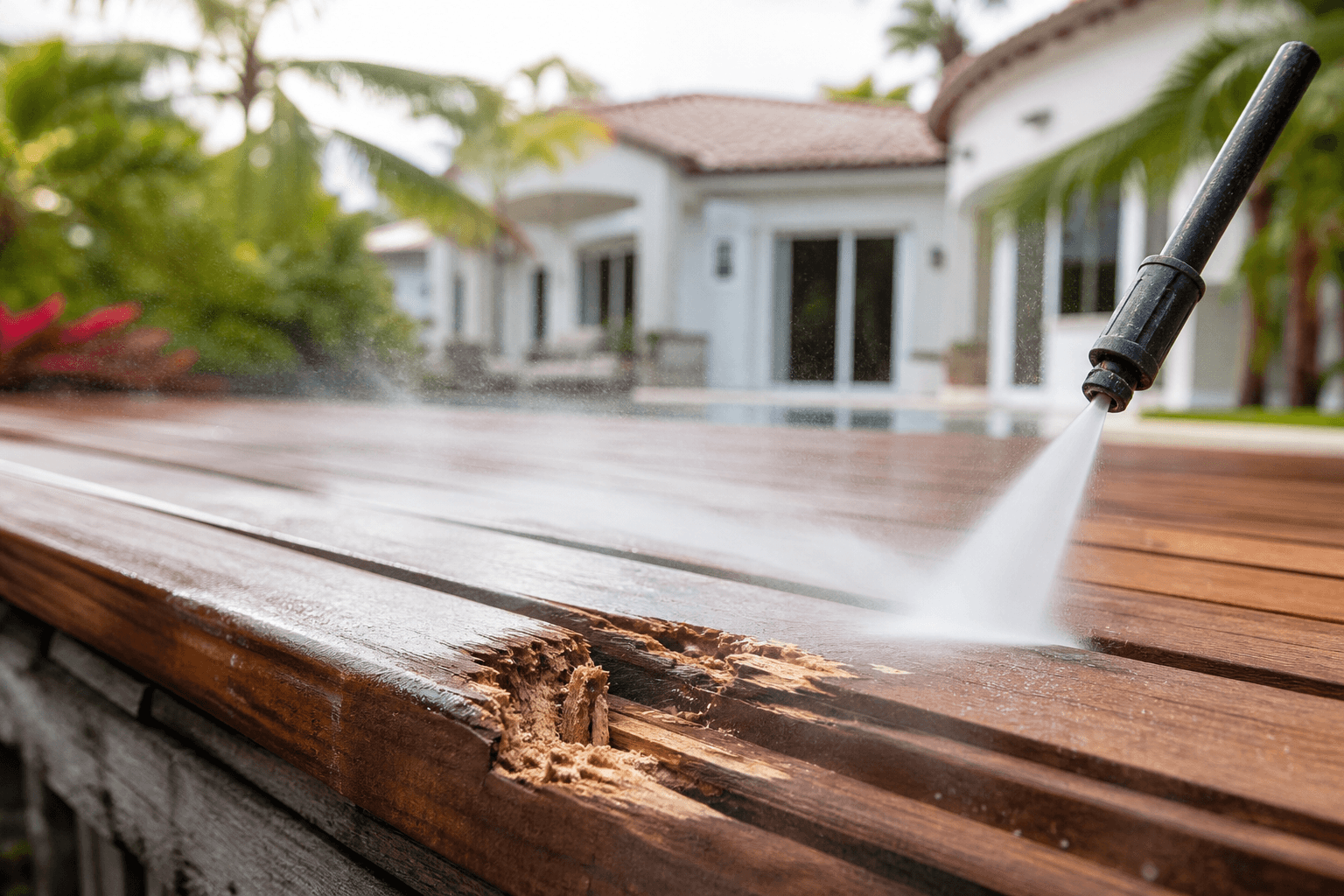
Yes, pressure washing can easily damage delicate surfaces like vinyl siding, stucco, wood, and even concrete if the pressure setting is too high or the wrong nozzle is used. It can strip paint, etch surfaces, force water behind siding leading to mold and structural issues, and even permanently scar concrete. The key is to match the pressure and nozzle to the specific material you are cleaning. For example, soft washing is often a safer alternative for delicate surfaces.
Is It Safe to Pressure Wash My Deck?
Pressure washing a deck can be safe, but it requires extreme caution to avoid significant Pressure Washing Dangers. Wood is a relatively soft material, and high pressure can easily splinter it, leave unsightly streaks, or even gouge the surface. Always use a wide-angle nozzle (e.g., 25-degree or 40-degree) and a lower PSI setting. Maintain a consistent distance from the surface and move with the grain of the wood. Testing a small, inconspicuous area first is always recommended to gauge the appropriate pressure.
How Do I Avoid Damaging My Property with a Pressure Washer?
To avoid property damage, always use the lowest effective pressure setting for the job. Select the correct nozzle – wider fan patterns (like white or green tips) are for delicate surfaces, while narrower ones (yellow or red) are for tough stains on robust materials like concrete. Maintain a safe, consistent distance from the surface, typically 12-18 inches, and move the wand in a sweeping motion. Never hold the nozzle in one spot for too long. Always test a small, hidden area first to ensure the pressure is appropriate.
How to Safely Clean My Driveway Without Damaging It?
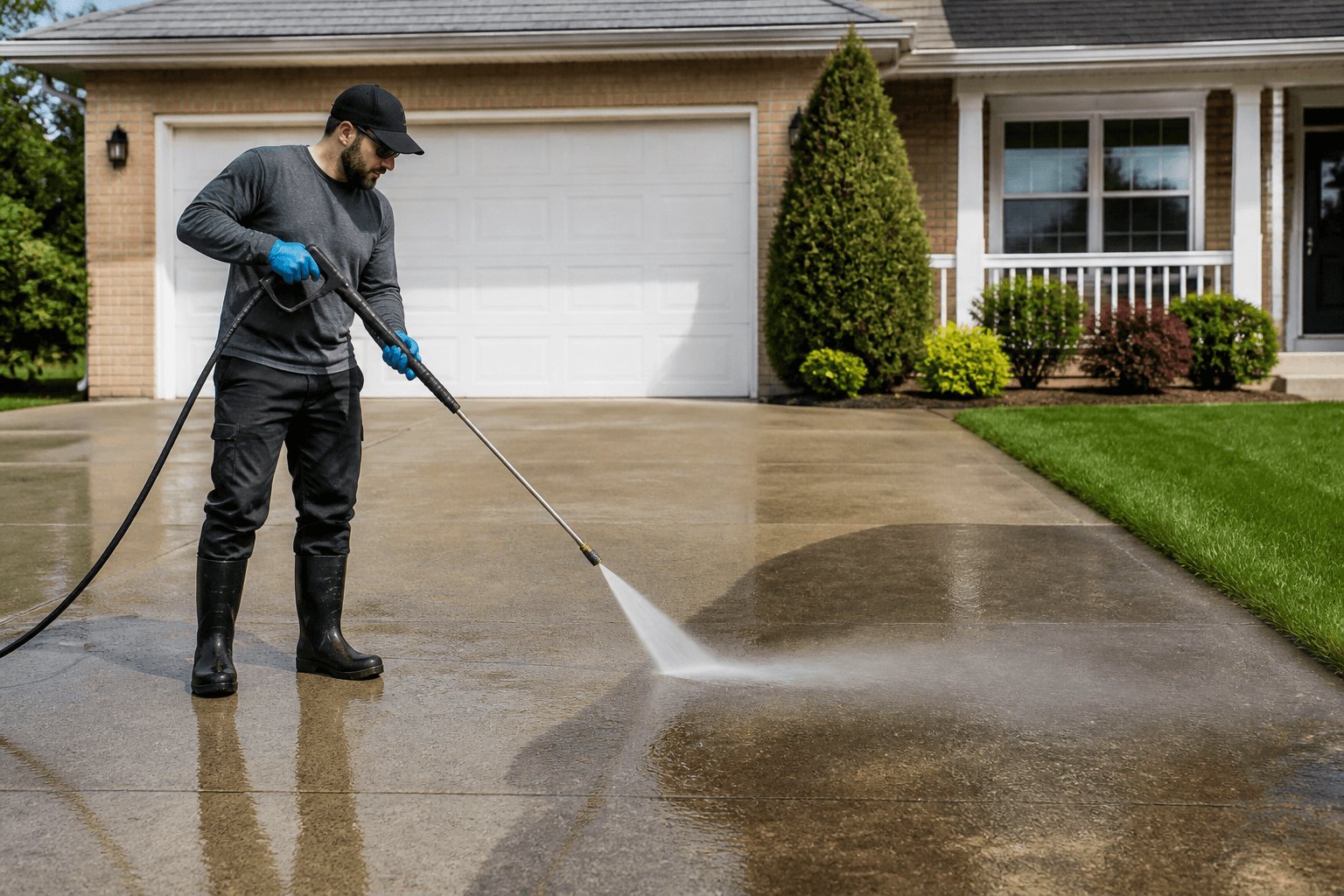
Cleaning a driveway safely involves using the right approach to prevent Pressure Washing Dangers. While concrete is durable, excessive pressure can still etch or pit the surface, especially if it’s older or has cracks. Start with a lower pressure setting and a wider nozzle, gradually increasing pressure if needed. A surface cleaner attachment can help distribute pressure evenly and prevent zebra striping. Always pre-treat stubborn stains with an appropriate cleaner to reduce the need for high pressure.
Myth 3: Environmental Pressure Washing Dangers Are Minimal
Many homeowners overlook the environmental impact of their pressure washing activities, assuming that a little soap and water runoff won’t cause harm. This is a dangerous myth, especially in South Florida’s sensitive ecosystem. The reality is that pressure washing runoff can carry harmful pollutants directly into storm drains, canals, and ultimately, the ocean, posing significant Pressure Washing Dangers to local wildlife and water quality.
What Are the Environmental Concerns of Pressure Washing Runoff?
Pressure washing runoff often contains a cocktail of pollutants. These include detergents, degreasers, paint chips, heavy metals, oil, grease, and other chemicals stripped from surfaces. When this contaminated water enters storm drains, it bypasses water treatment plants and flows directly into natural waterways. This can harm aquatic life, disrupt ecosystems, and contribute to harmful algal blooms, which are a major concern in South Florida. Improper disposal of runoff is a serious environmental violation.
Mitigating Environmental Pressure Washing Dangers
To mitigate environmental Pressure Washing Dangers, it is crucial to use biodegradable and eco-friendly cleaning solutions whenever possible. For larger jobs or those involving significant contaminants (like oil or paint), consider containing the runoff using berms or absorbent materials and disposing of it properly. Directing runoff onto permeable surfaces like lawns can help filter some pollutants, but this is not always sufficient. Understanding local regulations regarding wastewater discharge is also vital to ensure compliance and protect the environment.
What Regulations Exist for Safe Pressure Washing Practices?
Regulations for safe pressure washing practices vary by municipality and state. In South Florida, there are often strict rules regarding the discharge of wastewater into storm drains due to the proximity to sensitive coastal ecosystems. These regulations typically prohibit the discharge of non-biodegradable detergents, paint, oil, and other hazardous materials. Homeowners and businesses are responsible for understanding and adhering to these local ordinances to prevent environmental contamination and avoid fines. Always check with your local environmental protection agency or city codes department for specific guidelines.
Avoid Pressure Washing Dangers: Trust JJL Cleaning Services for a Pristine South Florida Home
JJL Cleaning Services provides licensed, insured, and expert pressure cleaning, ensuring your property is spotless and safe without the risks of DIY damage or injury.
Professional Solutions to Avoid Pressure Washing Dangers
After understanding the significant Pressure Washing Dangers, it becomes clear that exterior cleaning is not a task to be taken lightly. While the temptation to save money with a DIY approach is strong, the potential costs of injury, property damage, and environmental fines far outweigh any perceived savings. This is where professional pressure washing services become an invaluable investment for South Florida homeowners.
What Are the Benefits of Hiring a Professional for Pressure Washing Services?
Hiring professionals like JJL Cleaning Services eliminates the inherent Pressure Washing Dangers. Experts possess the specialized knowledge, training, and commercial-grade equipment to safely and effectively clean various surfaces. They understand the nuances of different materials, selecting the correct pressure settings and nozzles to prevent damage. Professionals are also equipped with eco-friendly solutions and methods to manage runoff, ensuring compliance with environmental regulations. Furthermore, they are licensed and insured, providing peace of mind that any unforeseen issues are covered.
How Much Does Professional Pressure Washing Cost to Avoid DIY Dangers?
The cost of professional pressure washing services varies depending on the size of your home, the surfaces to be cleaned, and the extent of the grime. While an exact quote requires an assessment, the investment is typically a fraction of what you might pay for repairs due to DIY damage or medical bills from an injury. Professional services offer a cost-effective way to achieve superior results without exposing yourself or your property to the numerous Pressure Washing Dangers. Many companies, including JJL Cleaning Services, offer free estimates, making it easy to understand your investment upfront.
Your Path to a Safe and Clean South Florida Home
Understanding the true scope of Pressure Washing Dangers is the first step toward protecting your South Florida home and family. We’ve debunked the myths that these dangers are only for the clumsy, that all surfaces can withstand high pressure, and that environmental impacts are negligible. The reality is that improper pressure washing carries substantial risks, from severe personal injury and costly property damage to significant environmental contamination.
By prioritizing safety, using appropriate techniques, and being mindful of environmental responsibility, you can ensure your home remains pristine without unnecessary hazards. For many, the most reliable and safest approach is to entrust exterior cleaning to professionals. Their expertise not only guarantees a thorough clean but also completely eliminates the inherent Pressure Washing Dangers, allowing you to enjoy a beautiful, well-maintained home with complete peace of mind. Make the informed choice for a safer, cleaner South Florida home.
Frequently Asked Questions About Pressure Washing Dangers
What are the common dangers associated with pressure washing?
Pressure washing dangers include property damage, personal injury from high-pressure water streams, electrical shock, chemical exposure, and environmental contamination from runoff. Improper technique can lead to costly repairs and severe harm.
Can pressure washing damage siding or other home surfaces?
Yes, pressure washing can easily damage delicate surfaces like vinyl siding, stucco, wood, and even concrete if the pressure setting is too high or the wrong nozzle is used. It can strip paint, etch surfaces, and force water behind siding, leading to mold and structural issues.
What kind of injuries can occur from pressure washing?
Common pressure washing injuries include lacerations, punctures, abrasions, eye injuries from debris, slips and falls, and even electrical shocks. The high-pressure water stream can penetrate skin, causing serious infections or internal damage.
How do I avoid damaging my property with a pressure washer?
To avoid property damage, always use the lowest effective pressure setting, select the correct nozzle (wider fan for delicate surfaces), maintain a safe distance from the surface, and test a small, inconspicuous area first. Consider soft washing for more sensitive materials.
What safety precautions should be taken when using a pressure washer?
Essential safety precautions for pressure washing include wearing appropriate personal protective equipment (PPE) like eye protection, gloves, and sturdy shoes. Never point the nozzle at people or pets, keep electrical connections dry, and ensure a stable footing.
Why is personal protective equipment important for pressure washing?
Personal protective equipment (PPE) is critical because pressure washing dangers can cause serious harm. Eye protection shields against flying debris, gloves protect hands from chemicals and water impact, and sturdy shoes prevent slips and falls on wet surfaces.
Can pressure washing cause electrical shock?
Yes, pressure washing can cause electrical shock, especially if using an electric pressure washer near water sources or if extension cords are damaged or not rated for outdoor use. Always inspect equipment, ensure dry connections, and use ground fault circuit interrupters (GFCIs).
What are the benefits of hiring a professional for pressure washing services?
Hiring professionals like JJL Cleaning Services eliminates pressure washing dangers, ensures proper technique, uses specialized equipment and eco-friendly solutions, and guarantees thorough cleaning without property damage or personal injury. Professionals are licensed, insured, and experienced.

