
Pressure Washing Questions: 12 Essential Expert FAQs for South Florida Homeowners
Navigating the maintenance of your South Florida home can spark numerous Pressure Washing Questions, especially when dealing with the region’s unique climate challenges. From stubborn mold and mildew to salt spray and general grime, keeping your property pristine requires informed decisions. This comprehensive guide aims to address the most critical inquiries homeowners have about exterior cleaning, providing authoritative answers to ensure your property remains spotless and protected.
Understanding the nuances of pressure washing is key to both effective cleaning and preventing costly damage. We’ll delve into everything from the fundamental techniques to the specifics of hiring a professional, empowering you with the knowledge to maintain your home’s curb appeal and structural integrity. Consider this your definitive resource for all your pressure washing needs.
Key Takeaways
- Understand the fundamental Pressure Washing Questions that every South Florida homeowner should ask before cleaning their property.
- Learn the crucial differences between pressure washing and soft washing to protect delicate surfaces.
- Discover why professional expertise is vital to avoid costly damage and achieve superior results.
- Evaluate the factors influencing the cost and longevity of professional pressure washing services.
Understanding Pressure Washing Questions for South Florida Homes
For South Florida homeowners, maintaining a clean exterior is more than just aesthetics; it’s about protecting your investment from the relentless humidity, salt air, and organic growth. Many initial Pressure Washing Questions revolve around the basic definitions and benefits of this powerful cleaning method. Knowing the fundamentals ensures you approach your property’s cleaning needs with confidence and clarity.
The subtropical climate here fosters rapid growth of mold, mildew, and algae, which not only detract from your home’s appearance but can also cause long-term damage to surfaces if left unaddressed. Addressing these early questions helps you understand the proactive steps required for effective home maintenance.
Understanding the Basics: Your First Pressure Washing Questions
What exactly is pressure washing, and how does it achieve such dramatic results? Pressure washing is a cleaning technique that utilizes high-pressure water spray to remove loose paint, mold, grime, dust, mud, and dirt from various surfaces. This method works by propelling water at significant force, typically between 1,500 to 4,000 PSI (pounds per square inch), through a specialized nozzle.
The sheer power of the water dislodges and washes away even the most stubborn contaminants, restoring surfaces to their original, clean state.
This powerful cleaning action is particularly effective on hard, durable surfaces like concrete and brick. Professionals use commercial-grade equipment that allows for precise control over pressure and flow, ensuring optimal cleaning without causing damage.
Why Regular Cleaning Sparks Pressure Washing Questions
Why should you regularly pressure wash your house or property? The benefits extend far beyond mere visual appeal. In South Florida, regular pressure washing is crucial for preventing the buildup of harmful organic growths like mold, mildew, and algae. These growths not only make your home look dirty but can also degrade exterior materials over time, leading to costly repairs.
Beyond preservation, a clean exterior significantly enhances your home’s curb appeal, boosting its market value. It also contributes to a healthier living environment by eliminating allergens and pollutants that can accumulate on outdoor surfaces. For many, it’s an essential step in preparing surfaces for painting or sealing, ensuring a clean base for optimal adhesion and longevity.
Addressing Common Pressure Washing Questions for Your Property
As you consider exterior cleaning, a host of practical Pressure Washing Questions naturally arise concerning safety, methods, and specific surfaces. It’s vital to understand which areas of your home can withstand high-pressure cleaning and when a gentler approach is necessary. Improper techniques can lead to irreversible damage, making informed decisions paramount.
The diverse materials used in South Florida homes, from stucco to tile roofs, each require a tailored cleaning strategy. This section addresses these critical surface-specific concerns, guiding you toward the right cleaning solution for every part of your property.
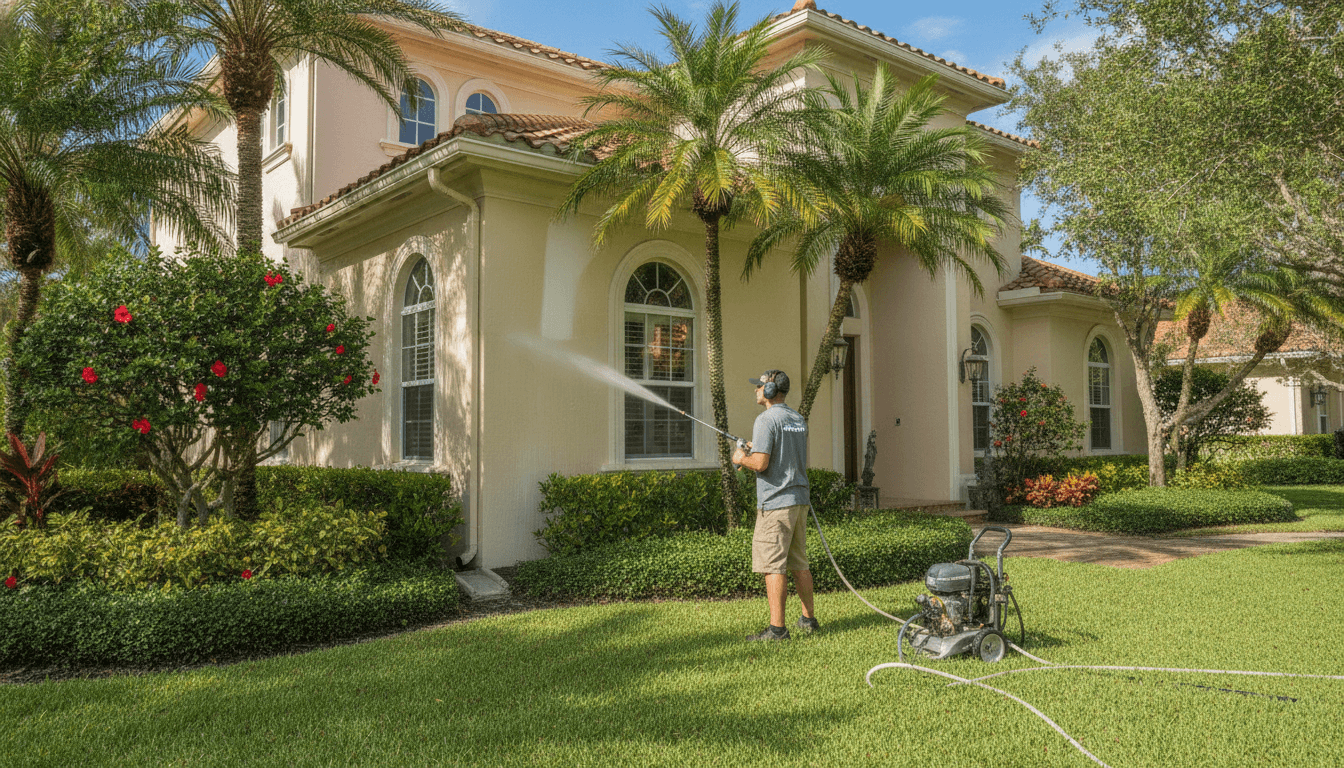
Many exterior surfaces can be safely pressure washed, including concrete driveways and sidewalks, brick walls, stone patios, vinyl siding, and wood decks. However, the key lies in applying the correct pressure level and cleaning technique. Delicate surfaces, such as certain types of painted wood, older siding, or roofs, often require a much gentler approach to avoid damage.
A professional service will assess each surface individually, determining the safest and most effective method. This expertise prevents issues like stripped paint, etched wood, or damaged siding, ensuring a thorough clean without compromise.
Safe Surfaces and Your Pressure Washing Questions
Is there a difference between pressure washing and soft washing? Yes, this is one of the most important Pressure Washing Questions to understand. Traditional pressure washing uses high-pressure water (1,500-4,000 PSI) and is ideal for robust surfaces like concrete, pavers, and unpainted brick. It effectively blasts away tough grime and stains.
Soft washing, conversely, employs low-pressure water (typically under 500 PSI) combined with specialized, biodegradable cleaning solutions. This method is designed for delicate surfaces such as roofs, stucco, vinyl siding, and windows. The solutions do the heavy lifting, dissolving organic growth like mold, algae, and bacteria, which are then gently rinsed away. Soft washing minimizes the risk of damage that high pressure might cause, making it perfect for areas prone to water intrusion or material degradation.
Can I Pressure Wash My Roof Without Causing Damage?
Pressure washing a roof requires extreme caution, and in most cases, soft washing is the preferred and safer method. High-pressure washing can dislodge shingles, remove protective granules, force water under tiles, and void roof warranties. This can lead to leaks, premature roof deterioration, and expensive repairs.
Professional roof cleaning typically involves soft washing, where specialized detergents are applied to kill mold, algae, and lichen at their roots. The solution is then gently rinsed away, leaving the roof clean and intact. Always consult with a professional who understands roof materials and the appropriate cleaning techniques for your specific roof type.
DIY vs. Professional: More Pressure Washing Questions Answered
Deciding whether to tackle exterior cleaning yourself or hire a professional often leads to a new set of Pressure Washing Questions. While DIY might seem appealing, understanding the hidden costs, required equipment, and potential pitfalls is essential. This section explores the practicalities of both approaches, helping you make an informed choice for your South Florida home.
From the investment in equipment to selecting the right cleaning agents, each decision impacts the effectiveness and safety of your cleaning project. We’ll break down what you need to know to achieve the best results, whether you’re doing it yourself or entrusting it to experts.
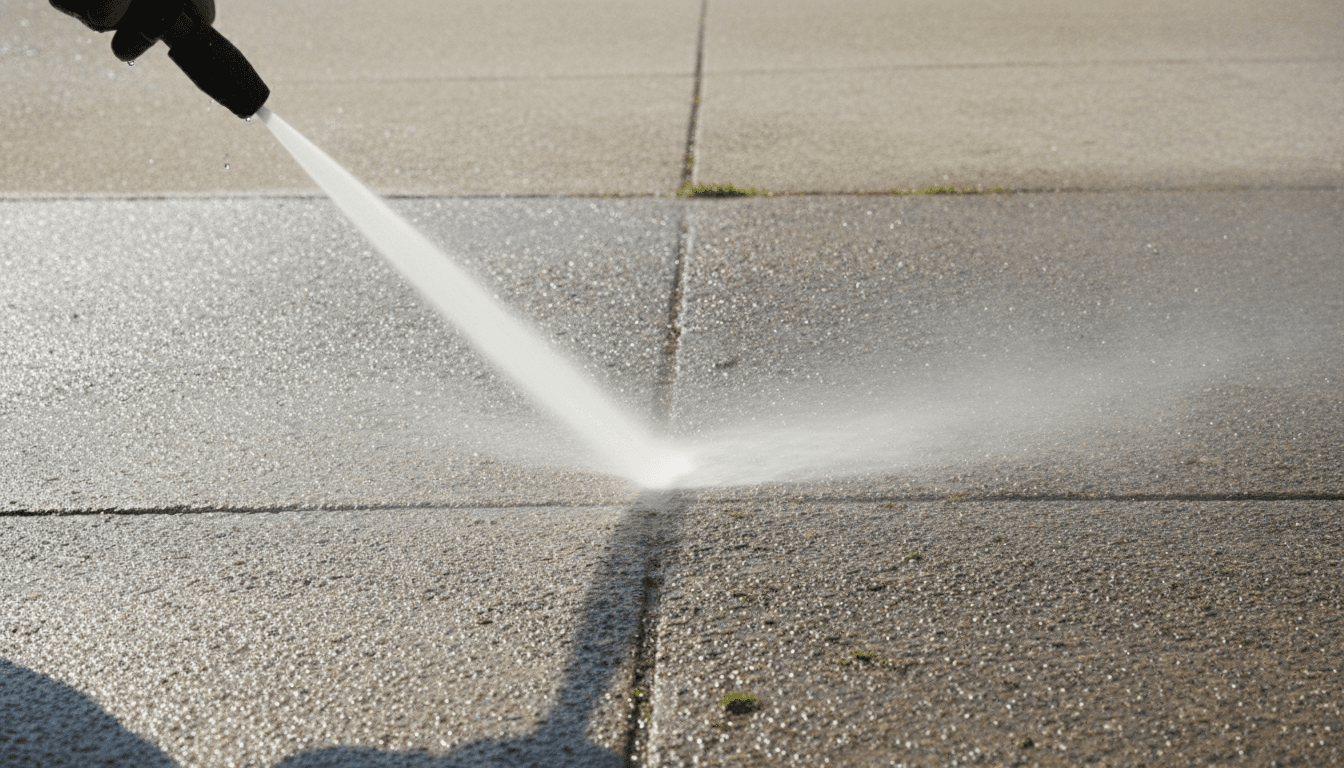
The cost of professional pressure washing services varies based on several factors. These include the size of your property, the types of surfaces to be cleaned, the extent of dirt or organic growth, and the specific cleaning methods required (e.g., standard pressure wash vs. soft wash). While DIY options might initially seem cheaper, they often involve purchasing or renting equipment, buying cleaning solutions, and dedicating significant time and effort.
Professional services offer expertise, specialized commercial-grade equipment, and insurance, which can prevent costly mistakes and ensure a superior, long-lasting clean. For an accurate estimate tailored to your South Florida property, it’s always best to get a customized quote from a reputable provider.
Cost of Service: Answering Your Pressure Washing Questions
What equipment do I need to pressure wash myself? For DIY enthusiasts, a consumer-grade pressure washer typically ranges from 1,500 to 2,500 PSI. You’ll also need various nozzles (e.g., 0-degree, 15-degree, 25-degree, 40-degree, and a soap nozzle), a garden hose, and appropriate safety gear like eye protection, gloves, and sturdy shoes. For larger areas like driveways, a surface cleaner attachment can significantly speed up the process and provide a more even clean.
Remember that consumer-grade machines often lack the power and specialized features of professional equipment, which can impact efficiency and the quality of the clean. Always read your equipment’s manual thoroughly before operation.
Equipment for DIY: Important Pressure Washing Questions
What kind of detergent or cleaning solutions are used in pressure washing? The type of cleaning solution depends heavily on the surface and the type of contaminant. For general dirt and grime, a mild, all-purpose pressure washing detergent is often sufficient. For mold, mildew, and algae common in South Florida, specialized solutions containing bleach (sodium hypochlorite) or other algaecides are highly effective, especially in soft washing applications.
Wood cleaners are formulated to restore and brighten decks, while degreasers are used for oil stains on concrete. It’s crucial to use products specifically designed for pressure washing and to always follow manufacturer instructions, ensuring they are safe for your surfaces and the environment. Professionals use commercial-grade, eco-friendly solutions tailored to specific needs.
Safety and Best Practices: Essential Pressure Washing Questions
Safety should always be a top priority when considering exterior cleaning. Many critical Pressure Washing Questions revolve around potential risks, optimal timing, and common pitfalls to avoid. Understanding these aspects ensures not only the protection of your property but also the safety of yourself and your family.
The powerful nature of pressure washing demands respect and proper technique. This section provides vital insights into safe operation, ideal cleaning schedules, and how to prevent common mistakes that can lead to damage or injury.
When is the best time of year to pressure wash my home? In South Florida’s humid climate, the best time to pressure wash is typically during the drier seasons, often late fall through early spring. This allows surfaces to dry thoroughly, reducing the immediate re-growth of mold and mildew. However, due to the year-round humidity, many homeowners find that cleaning once or twice a year is necessary to maintain a pristine appearance.
Scheduling your cleaning before major holidays or events is also popular to ensure your home looks its best. Ultimately, consistency is key to preventing severe buildup.
Avoiding Damage: Critical Pressure Washing Questions
Are there any risks or damages associated with pressure washing? Yes, improper pressure washing can lead to significant and costly damage. High pressure can strip paint, etch wood, blast away siding, shatter windows, or even force water into wall cavities, leading to mold and structural issues. It can also cause severe personal injury, including lacerations, electrical shocks, and falls.
This is why professional expertise is vital. Licensed and insured companies understand the correct pressure settings, nozzle types, and techniques for different surfaces, minimizing risks and ensuring a safe, effective clean. They also carry liability insurance to cover any unforeseen accidents.
How often should I have my driveway or patio pressure washed? In South Florida’s climate, it’s generally recommended to have driveways, patios, and other hardscapes pressure washed at least once a year. For properties in shady areas or those prone to heavy mold and algae growth, cleaning every six to nine months might be beneficial.
Regular cleaning prevents extensive buildup, which can become more difficult and costly to remove later, and helps maintain the appearance and safety of your outdoor living spaces by removing slippery organic growth.
What common mistakes should I avoid when pressure washing? One of the most common mistakes is using too much pressure, especially on delicate surfaces. Another is holding the nozzle too close to the surface, which can cause etching or damage. Neglecting to pre-treat surfaces with appropriate cleaning solutions can also lead to ineffective cleaning, requiring more passes and potentially causing damage.
Failing to wear proper safety gear, using the wrong nozzle, or not protecting nearby plants and electrical outlets are also frequent errors. Always work methodically, keep the wand moving, and maintain a safe distance from the surface.
Choosing Your Provider: Final Pressure Washing Questions
Once you’ve explored the technical aspects and safety considerations, your remaining Pressure Washing Questions often center on finding the right professional help. Selecting a reputable company is crucial for ensuring quality results, protecting your property, and achieving peace of mind. This section guides you through the process of vetting providers and securing the best service for your South Florida home.
From understanding what to look for in a contractor to obtaining accurate quotes, these final questions are key to a successful and satisfying exterior cleaning experience. Make sure you’re equipped to make an informed decision.
Who provides pressure washing services near me? In South Florida, numerous companies offer pressure washing services, ranging from small local businesses to larger regional operations. To find reputable providers, start by searching online for
Have More Pressure Washing Questions? Contact JJL Cleaning Services!
For over a decade, JJL Cleaning Services has delivered professional, licensed, and insured pressure cleaning solutions across South Florida, ensuring your property looks its absolute best.
Frequently Asked Pressure Washing Questions
What is pressure washing and how does it work?
Pressure washing, also known as power washing, is a cleaning method that uses high-pressure water spray to remove loose paint, mold, grime, dust, mud, and dirt from surfaces and objects such as buildings, vehicles, and concrete surfaces. It works by propelling water at very high speeds, typically 1,500 to 4,000 PSI (pounds per square inch), through a concentrated nozzle. This force dislodges and washes away stubborn contaminants, restoring surfaces to their original condition.
JJL Cleaning Services utilizes professional-grade equipment for effective and efficient cleaning.
Why should I pressure wash my house or property?
Pressure washing your property offers numerous benefits, especially in humid South Florida. It significantly enhances curb appeal, making your home or business look well-maintained and inviting. Beyond aesthetics, it removes harmful mold, mildew, algae, and other pollutants that can degrade exterior surfaces over time, preventing costly repairs. Regular cleaning also helps maintain property value, promotes a healthier environment by eliminating allergens, and can even prepare surfaces for painting or sealing. JJL Cleaning Services ensures a thorough and beneficial clean.
What surfaces can be safely pressure washed?
Many exterior surfaces can be safely pressure washed, including concrete driveways and sidewalks, brick walls, stone patios, vinyl siding, stucco, and wood decks. However, the appropriate pressure level and cleaning technique are crucial to prevent damage. Delicate surfaces like certain types of painted wood, older siding, or roofs often require a gentler approach such as soft washing. JJL Cleaning Services’ experts assess each surface to determine the safest and most effective cleaning method.
Is there a difference between pressure washing and soft washing?
Yes, there is a significant difference. Pressure washing uses high-pressure water (1,500-4,000 PSI) for durable surfaces like concrete. Soft washing, on the other hand, employs low-pressure water (under 500 PSI) combined with specialized cleaning solutions to safely remove organic growth (mold, algae, bacteria) from more delicate surfaces like roofs, stucco, windows, and certain types of siding. The solutions do most of the work, rinsing off easily without the risk of damage that high pressure might cause.
The licensed and insured professionals at JJL Cleaning Services offer both methods to suit your property’s needs.
How much does professional pressure washing service cost?
The cost of professional pressure washing services varies based on several factors, including the size of the property, the types of surfaces to be cleaned, the extent of the dirt or growth, and the specific cleaning methods required (e.g., standard pressure wash vs. soft wash). While DIY options might seem cheaper, professional services offer expertise, specialized equipment, and insurance, preventing costly mistakes.
For an accurate estimate tailored to your Boca Raton property, it’s always best to get a customized quote from a reputable provider like JJL Cleaning Services.
Are there any risks or damages associated with pressure washing?
Yes, improper pressure washing can lead to significant damage. High pressure can strip paint, etch wood, blast away siding, shatter windows, or even force water into wall cavities, leading to mold and structural issues. It can also cause personal injury. This is why professional expertise is vital. Licensed and insured companies like JJL Cleaning Services understand the correct pressure settings, nozzle types, and techniques for different surfaces, minimizing risks and ensuring a safe, effective clean.
How often should I have my driveway or patio pressure washed?
In South Florida’s humid climate, it’s generally recommended to have driveways, patios, and other hardscapes pressure washed at least once a year. For properties in shady areas or those prone to heavy mold and algae growth, cleaning every six to nine months might be beneficial. Regular cleaning prevents extensive buildup, which can become more difficult and costly to remove later, and helps maintain the appearance and safety of your outdoor living spaces.
JJL Cleaning Services can advise on a suitable schedule for your specific needs.
How do I choose a reputable pressure washing company?
Choosing a reputable pressure washing company involves checking several key factors. Look for companies that are licensed and insured, ensuring protection against accidents or damages. Review their experience, customer testimonials, and online ratings (like JJL Cleaning Services’ 4.8-star Google rating). Inquire about their methods, equipment, and whether they offer both pressure and soft washing. A professional company will provide clear quotes, communicate effectively, and demonstrate expertise in handling various surfaces safely and efficiently.
Learn more from authoritative resources: Consumer Reports and HGTV.

