
Construction Dust Control: 7 Powerful Strategies for a Flawless Post-Renovation Finish
Construction Dust Control is paramount for ensuring a pristine environment and a flawless finish after any renovation or building project. The presence of airborne dust can compromise air quality, pose significant health risks, and ultimately detract from the quality of the finished work. Implementing effective dust management strategies is not just about cleanliness; it is a critical component of project success, worker safety, and client satisfaction.
In this comprehensive guide, we will explore the essential aspects of managing dust on construction sites. We’ll delve into the various types of dust, the health implications of exposure, and the regulatory frameworks governing dust control. Our focus will be on providing actionable strategies and insights into the equipment and practices that lead to superior results, ensuring your site remains clean, safe, and ready for its final reveal.
Key Takeaways for Effective Construction Dust Control
- Understand the critical importance of proactive Construction Dust Control for health, safety, and project quality.
- Learn about the various health risks associated with different types of construction dust, including crystalline silica.
- Discover 7 powerful strategies for implementing effective dust suppression and management on any job site.
- Explore essential equipment, from dust extractors to water misting systems, that are vital for comprehensive dust control.
- Recognize the benefits of partnering with professional cleaning services for superior post-construction dust removal.
- Gain insights into developing a robust dust management plan to ensure regulatory compliance and a pristine finish.
What is Construction Dust Control and Why It Matters?
Construction Dust Control involves implementing various methods and equipment to minimize the generation and spread of airborne dust during construction, demolition, and renovation activities. This proactive approach is crucial for protecting workers, building occupants, and the surrounding environment from harmful particulate matter. It encompasses a range of techniques, from source control to containment, all designed to keep dust levels at a minimum.
The goal is not merely to clean up dust after it has settled, but to prevent its widespread dispersion in the first place. This strategy leads to a healthier work environment, reduces clean-up time, and significantly improves the overall quality of the finished project. Effective dust control is a hallmark of a well-managed and professional construction site.
Why Construction Dust Control is Essential on Sites
Dust control is essential on construction sites for several compelling reasons. Firstly, it protects worker health from respiratory issues, which can be severe and long-lasting. Secondly, it improves visibility, enhancing safety by reducing the risk of accidents caused by impaired sight. Thirdly, it prevents damage to sensitive equipment and newly installed finishes, saving significant repair or replacement costs.
Furthermore, maintaining a cleaner work environment boosts morale and professionalism, contributing to a superior finish for post-construction phases. Without proper Construction Dust Control, dust can infiltrate every corner, requiring extensive and costly cleaning efforts later on. Proactive measures are always more efficient and cost-effective.
Health Risks Associated with Construction Dust Control
Inhaling construction dust can lead to serious health issues, depending on the dust type and exposure duration. Common risks include asthma, chronic obstructive pulmonary disease (COPD), and lung cancer. Of particular concern is crystalline silica dust, found in concrete, brick, and stone, which can cause silicosis, an incurable and progressive lung disease. Other materials like wood dust, asbestos, and lead paint particles also pose significant health hazards.
Effective Construction Dust Control measures are vital to mitigate these risks. Workers must be protected through a combination of engineering controls, administrative practices, and appropriate personal protective equipment (PPE). Understanding these risks underscores the importance of a robust dust management plan on every job site.
Health Risks and Regulations in Construction Dust Control
The health risks associated with construction dust are well-documented and necessitate strict adherence to safety protocols. Beyond respiratory illnesses, certain dusts can cause skin irritation, eye damage, and even systemic health problems. For instance, lead dust from old paint can cause neurological damage, particularly in children, while asbestos fibers are linked to mesothelioma and lung cancer. Protecting workers and the public from these hazards is a primary responsibility.
This is why regulatory bodies have established stringent guidelines for Construction Dust Control. Compliance with these regulations is not optional; it is a legal and ethical imperative. Employers must be proactive in identifying potential dust sources and implementing controls to safeguard everyone on and around the site.
Regulations and Compliance in Construction Dust Control
Regulations like OSHA’s Respirable Crystalline Silica Standard (29 CFR 1926.1153) mandate permissible exposure limits (PELs) and require employers to implement engineering controls, work practices, and medical surveillance to protect workers from silica dust. Similar regulations exist for other hazardous substances. These standards often require a written exposure control plan, training for workers, and regular air monitoring to ensure compliance. Adhering to these guidelines is crucial for avoiding penalties and, more importantly, for ensuring a safe working environment.
For comprehensive information on OSHA’s silica standard, you can refer to the OSHA website. Understanding and implementing these regulations is a cornerstone of effective Construction Dust Control.
Implementing Effective Construction Dust Control Strategies
Effectively implementing dust suppression on a building site involves a combination of engineering controls, administrative controls, and personal protective equipment. Engineering controls focus on modifying the work environment to reduce dust at the source. This includes using water to wet down materials, employing local exhaust ventilation (LEV) systems, and enclosing dusty operations. Administrative controls involve changing work practices, such as scheduling dusty tasks during off-hours or restricting access to dusty areas.
PPE, like respirators, provides a last line of defense for workers.
A holistic approach ensures that dust is managed from all angles, minimizing its impact. Regular site assessments and adjustments to the dust control plan are also critical to adapt to changing conditions and tasks. Proactive planning is key to successful Construction Dust Control.
Best Practices for Preventing Airborne Silica Dust on Job Sites
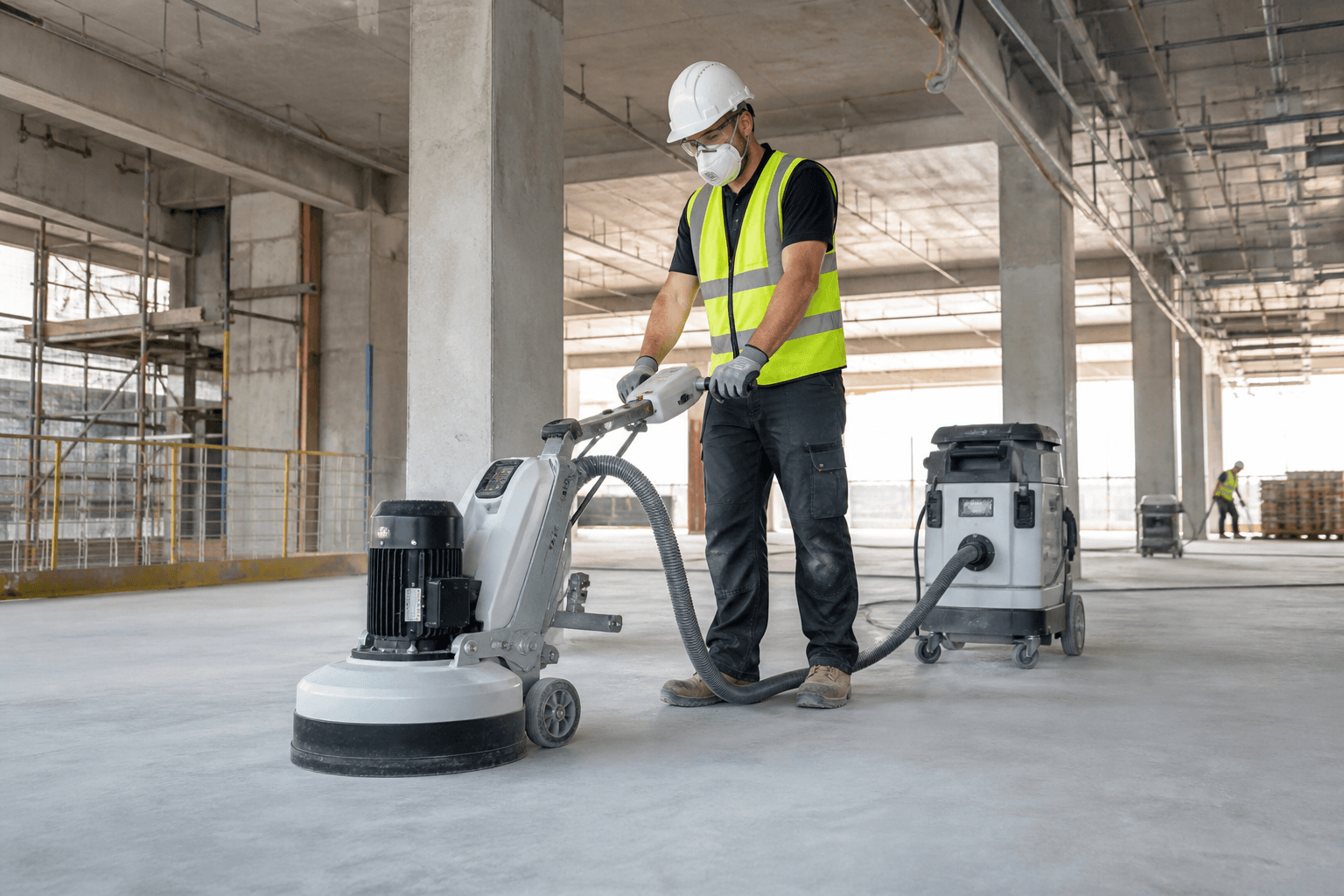
Preventing airborne silica dust requires specific best practices. These include using water to suppress dust during cutting, grinding, and drilling activities, and employing local exhaust ventilation (LEV) systems directly on tools to capture dust at the point of generation. Restricting access to dusty areas, ensuring regular clean-up with HEPA-filtered vacuums, and providing appropriate respirators are also vital. Worker training on silica hazards and control methods is non-negotiable.
These measures collectively form a robust strategy for managing this particularly dangerous type of dust.
Essential Equipment for Construction Dust Control
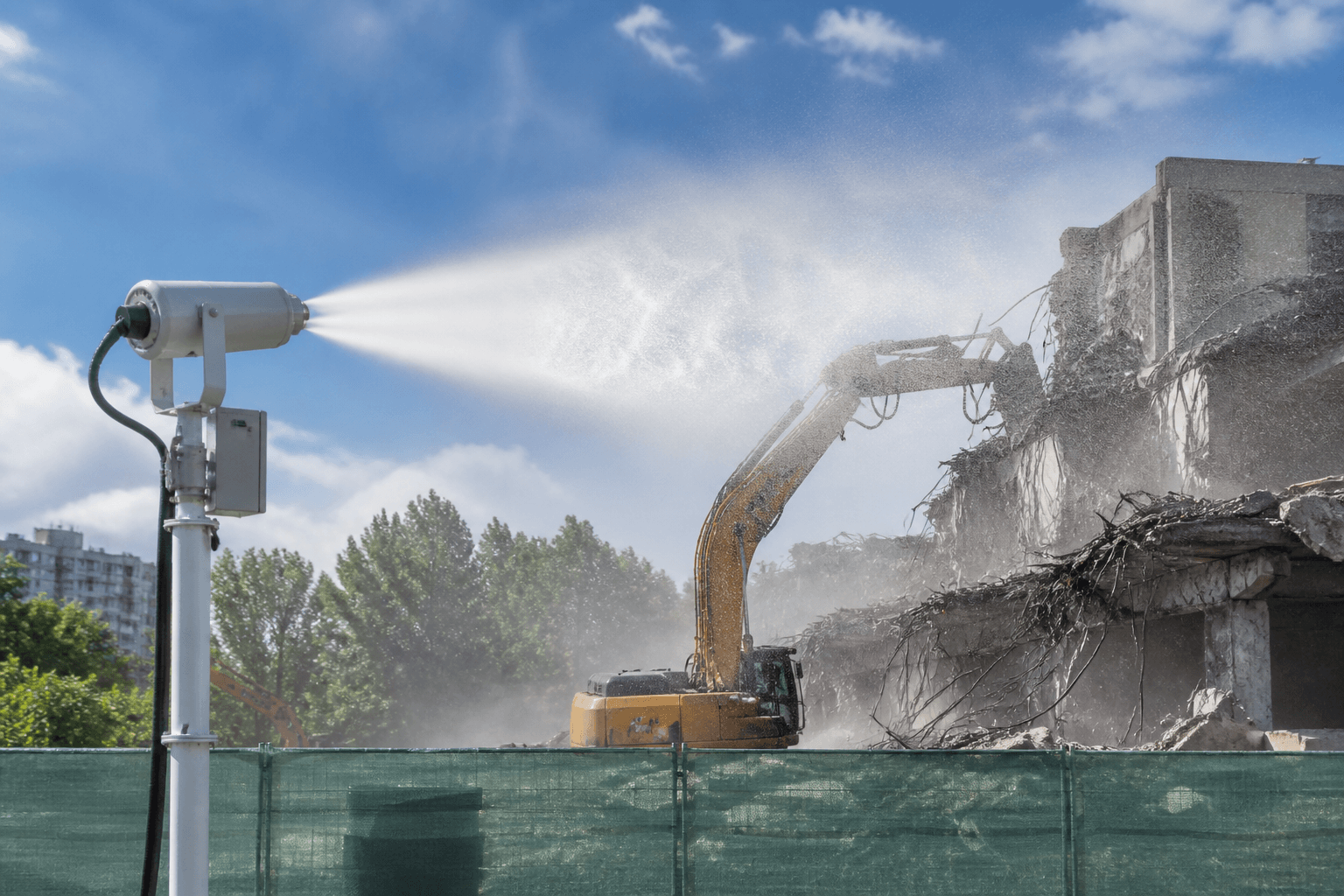
The right equipment is indispensable for effective Construction Dust Control. For demolition, the best equipment includes water spray systems, such as hoses, misters, and cannons, which are highly effective for suppressing dust over large areas. Specialized HEPA vacuums are crucial for smaller debris and fine dust, while dust extractors integrated with power tools capture dust at the source. Containment barriers, like tarps and temporary walls, also play a significant role in preventing dust migration.
Investing in high-quality dust control equipment is an investment in safety, efficiency, and the final quality of your project. It minimizes the need for extensive post-construction cleaning and protects the health of everyone involved.
How Water Misting Systems Enhance Construction Dust Control
Water misting systems work by generating fine water droplets that encapsulate airborne dust particles, making them heavier and causing them to fall out of the air. This process, known as agglomeration, effectively reduces airborne dust levels across demolition or construction areas. These systems can range from simple hoses to advanced automated misting cannons, providing a highly efficient and environmentally friendly method of dust suppression. They are particularly useful in outdoor or large indoor spaces where localized extraction might be impractical.
Mobile dust suppression solutions for rent are typically provided by construction equipment rental companies, specialized dust control equipment providers, and sometimes by general industrial rental services. These rental options offer flexibility for projects of varying scales and durations, allowing companies to access advanced equipment without a large upfront investment.
Cost of Dust Extractors for Concrete Grinding
The cost of dust extractors for concrete grinding varies widely based on capacity, filtration capabilities (e.g., HEPA), and brand. Small, portable units for light-duty work might range from a few hundred dollars, while industrial-grade systems designed for continuous, heavy-duty concrete grinding can cost several thousand dollars. Factors like airflow, filter cleaning mechanisms, and power source also influence the price. Investing in a quality dust extractor is crucial for protecting worker health and achieving a smooth, dust-free finish on concrete surfaces.
Dust suppression systems for large construction projects can be purchased from specialized industrial equipment suppliers, construction supply companies, environmental control technology manufacturers, or rental companies offering sales options. Researching reputable suppliers ensures access to reliable and compliant equipment.
Advantages of Professional Construction Dust Control Services
Hiring a professional dust control company offers numerous advantages, ensuring your project adheres to the highest standards of cleanliness and safety. These companies bring expert knowledge of regulations, access to specialized, high-performance equipment, and efficient implementation of tailored solutions. This expertise significantly reduces health risks for workers and building occupants, and guarantees a cleaner, safer site throughout the construction and post-renovation phases.
Professionals understand the nuances of various dust types and the most effective methods for their mitigation, leading to superior results. They can also provide comprehensive post-construction cleaning, ensuring every surface is pristine and ready for occupancy. This level of detail is often beyond the scope of a typical construction crew.
Achieve a Flawless Post-Renovation Finish with JJL Cleaning Services’ Construction Dust Control
Ensure your project site in Boca Raton is spotless and safe from harmful dust. Our expert team provides comprehensive dust management and post-construction cleaning solutions.
Many professional cleaning and dust control companies, like JJL Cleaning Services, offer free estimates for comprehensive Construction Dust Control and post-construction cleaning services. This allows you to assess your needs and budget without obligation, ensuring you make an informed decision for your project in Boca Raton.
Developing a Comprehensive Construction Dust Control Plan
A typical dust management plan for construction sites includes several key components. It starts with identifying all potential dust sources, followed by assessing the risks associated with each. The plan then outlines specific control measures, such as wetting down surfaces, using enclosures, implementing local exhaust ventilation, and providing appropriate PPE. Worker training is essential to ensure everyone understands their role in dust mitigation.
Regular monitoring of dust levels and meticulous record-keeping are also crucial for ensuring compliance and continuously improving safety performance. This systematic approach is vital for effective Construction Dust Control.
Environmentally friendly dust binding agents can be found through specialized chemical suppliers, environmental engineering firms, and online industrial product marketplaces that focus on sustainable construction solutions. These agents can be a valuable addition to a comprehensive dust management plan, particularly for large outdoor areas or unpaved roads.
Conclusion: Mastering Construction Dust Control for Flawless Results
Mastering Construction Dust Control is not merely a regulatory requirement; it is a fundamental aspect of delivering high-quality, safe, and efficient construction projects. From protecting worker health and preserving air quality to ensuring a pristine post-renovation finish, the benefits of a robust dust management strategy are undeniable. By implementing proactive measures, utilizing appropriate equipment, and adhering to best practices, contractors can significantly mitigate the challenges posed by construction dust.
The 7 powerful strategies discussed in this guide provide a comprehensive framework for achieving flawless results. Whether through advanced water misting systems, integrated dust extractors, or meticulous planning, a commitment to effective dust control elevates the standard of any project. Partnering with professionals like JJL Cleaning Services can further enhance these efforts, ensuring your site in Boca Raton is not just clean, but truly immaculate, reflecting the excellence of your work.
Frequently Asked Questions About Construction Dust Control
What is construction dust control?
Construction dust control involves implementing various methods and equipment to minimize the generation and spread of airborne dust during construction, demolition, and renovation activities. This protects workers, building occupants, and the environment.
Why is dust control essential on construction sites?
Dust control is essential for several reasons: it protects worker health from respiratory issues, improves visibility for safety, prevents damage to sensitive equipment, maintains a cleaner work environment, and helps achieve a superior finish for post-construction phases.
What are the health risks associated with inhaling construction dust?
Inhaling construction dust can lead to serious health issues, including asthma, silicosis (from crystalline silica), chronic obstructive pulmonary disease (COPD), lung cancer, and other respiratory illnesses, depending on the dust type and exposure duration.
How can I effectively implement dust suppression on a building site?
Effective dust suppression on a building site involves a combination of engineering controls like water misting systems, dust extractors, and vacuums, administrative controls such as wetting down surfaces, and personal protective equipment like respirators.
What regulations apply to construction dust exposure?
Regulations like OSHA’s Respirable Crystalline Silica Standard (29 CFR 1926.1153) mandate permissible exposure limits (PELs) and require employers to implement engineering controls, work practices, and medical surveillance to protect workers from silica dust.
Which types of dust control equipment are best for demolition?
For demolition, best dust control equipment includes water spray systems (hoses, misters, cannons) for large areas, specialized HEPA vacuums for smaller debris, and dust extractors integrated with tools, along with containment barriers.
Where can I purchase dust suppression systems for large construction projects?
Dust suppression systems for large construction projects can be purchased from specialized industrial equipment suppliers, construction supply companies, environmental control technology manufacturers, or rental companies offering sales options.
How much do dust extractors cost for concrete grinding?
The cost of dust extractors for concrete grinding varies widely based on capacity, filtration capabilities (e.g., HEPA), and brand, typically ranging from a few hundred dollars for small units to several thousand dollars for industrial-grade systems.
What are the advantages of hiring a professional dust control company?
Hiring a professional dust control company offers advantages such as expert knowledge of regulations, access to specialized equipment, efficient implementation of tailored solutions, reduced health risks, and a guarantee of a cleaner, safer site.
What is a typical dust management plan for construction sites?
A typical dust management plan includes identifying dust sources, assessing risks, implementing control measures (e.g., wetting, enclosures, ventilation), training workers, regular monitoring, and record-keeping to ensure compliance and safety.
How do water misting systems work for construction dust control?
Water misting systems work by generating fine water droplets that encapsulate airborne dust particles, making them heavier and causing them to fall out of the air. This reduces airborne dust levels effectively across demolition or construction areas.
Who provides mobile dust suppression solutions for rent?
Mobile dust suppression solutions for rent are typically provided by construction equipment rental companies, specialized dust control equipment providers, and sometimes by general industrial rental services.
Can I get a free estimate for comprehensive construction dust control services?
Many professional cleaning and dust control companies, like JJL Cleaning Services, offer free estimates for comprehensive construction dust control and post-construction cleaning services, allowing you to assess your needs without obligation.
Where can I find suppliers of environmentally friendly dust binding agents?
Environmentally friendly dust binding agents can be found through specialized chemical suppliers, environmental engineering firms, and online industrial product marketplaces that focus on sustainable construction solutions.
What are the best practices for preventing airborne silica dust on job sites?
Best practices for preventing airborne silica dust include using water to suppress dust, local exhaust ventilation (LEV) systems on tools, restricting access to dusty areas, regular clean-up with HEPA vacuums, and providing appropriate respirators.

